

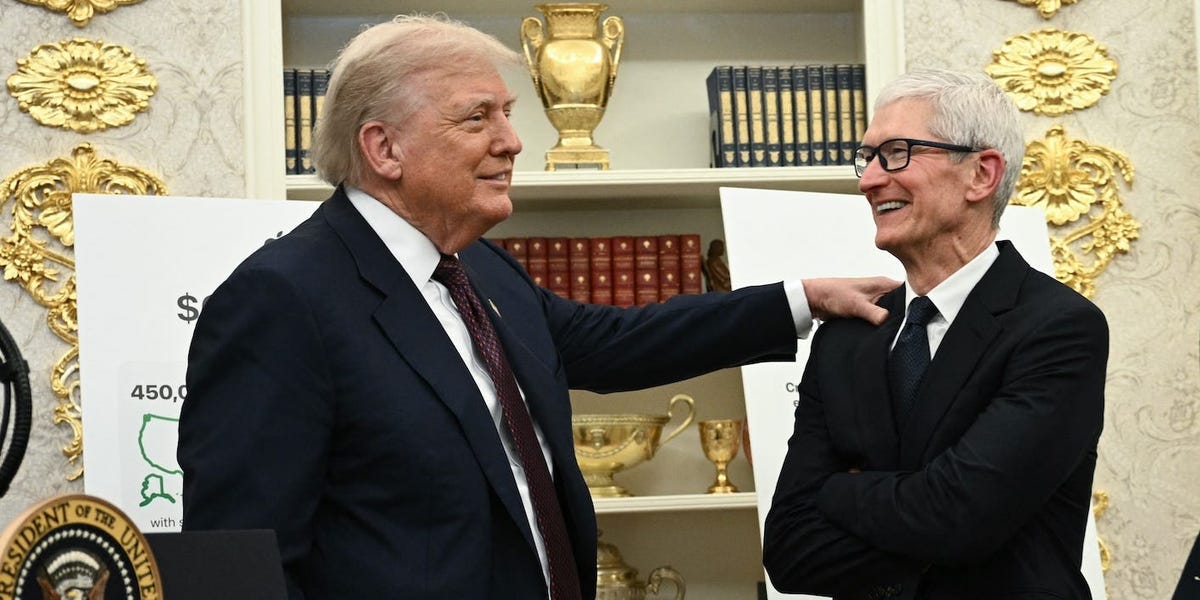
The Masterclass in High-Stakes Negotiation
When President Trump imposed sweeping tariffs on Chinese goods in 2018, few executives were prepared for the economic fallout. But Tim Cook, Apple’s CEO, wasn’t just prepared – he was already executing a strategy that would earn him the nickname "Trump whisperer." His approach to securing tariff refunds wasn’t just business genius; it was a masterclass in navigating Washington’s complex political landscape.
The Tariff Challenge That Stumped Tech Giants
Trump’s tariffs threatened to increase the cost of Apple products by billions of dollars. The tech industry scrambled, lobbying furiously but making little headway. Cook recognized that traditional approaches wouldn’t work with this administration. He needed a different strategy – one that combined economic pragmatism with political savvy.
Understanding the Trump Playbook
Cook studied Trump’s business history and political style, recognizing that the president responded to specific types of arguments:
- Direct, data-driven appeals
- Jobs-focused messaging
- Personal relationships
- Win-win framing
Cook’s Brilliant Refund Strategy
Instead of joining the chorus of complaints, Cook took a calculated approach that demonstrated Apple’s unique value to the American economy.
The Personal Connection
Cook leveraged his personal relationship with Trump, meeting privately to discuss the tariffs. These weren’t formal lobbying sessions but candid conversations about the real-world impact on American jobs and consumers.
The Economic Argument
Apple presented compelling data showing how tariffs would:
- Increase product prices for American consumers
- Reduce Apple’s US investment capacity
- Impact thousands of American jobs
- Strengthen Chinese competitors
The Strategic Concessions
Cook offered meaningful concessions, including:
- Increasing US manufacturing commitments
- Bringing more production to America
- Creating domestic job opportunities
Why It Worked Where Others Failed
While other tech companies presented problems, Cook presented solutions. While others focused on the negative impact, Cook emphasized the positive outcomes of cooperation. This approach aligned perfectly with Trump’s transactional mindset and "America First" rhetoric.
The Jobs Narrative
Cook framed the tariff issue not as a problem for Apple, but as a threat to American jobs and economic competitiveness. This resonated deeply with Trump’s core messaging.
The Win-Win Approach
Rather than positioning Apple as a victim, Cook presented a scenario where both parties could win: Trump could claim victory for American manufacturing, while Apple protected its business model and consumers.
The Results Speak Volumes
Apple successfully negotiated tariff exemptions on key components, saving the company billions of dollars. More importantly, Cook demonstrated that it’s possible to navigate Washington’s political minefield when you combine business acumen with political intelligence.
Long-Term Strategic Impact
This experience positioned Apple uniquely in the trade war landscape. While competitors struggled with higher costs, Apple maintained pricing stability and market position. Cook’s strategy became a case study in how global companies can adapt to protectionist policies.
Lessons for Business Leaders
Cook’s approach offers valuable insights for any executive navigating complex political environments:
- Understand your audience: Research the decision-makers’ motivations and communication style.
- Focus on shared goals: Frame your requests in terms of mutual benefit.
- Build relationships: Personal connections matter more than formal lobbying efforts.
- Offer solutions, not problems: Demonstrate how your success contributes to broader objectives.
- Be patient and persistent: Political negotiations often take time and multiple conversations.
The Legacy of the "Trump Whisperer"
Tim Cook’s tariff strategy earned him the "Trump whisperer" nickname because he succeeded where others failed. But more importantly, he demonstrated that business success in today’s political climate requires more than just financial expertise – it demands political intelligence, strategic communication, and the ability to build bridges across ideological divides. As trade tensions continue to evolve, Cook’s approach will likely be studied and emulated by executives worldwide. The lesson is clear: in an era of increased protectionism and political uncertainty, the most successful leaders will be those who can speak multiple languages – the language of business, the language of politics, and the language of compromise.

Comments are closed, but trackbacks and pingbacks are open.