

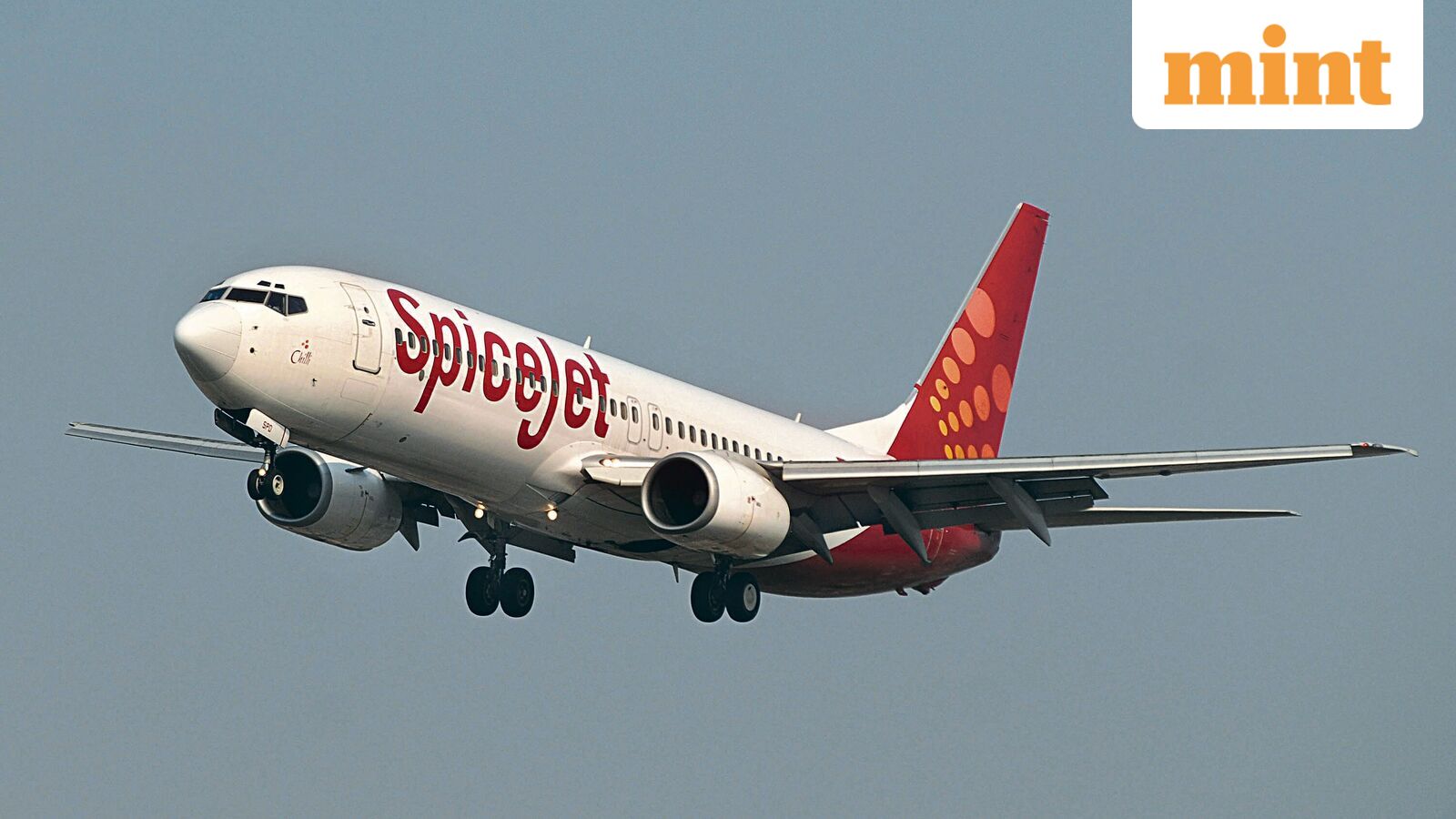
SpiceJet’s Shrinking Fleet Puts International Operations Under Scrutiny
India’s low-cost carrier SpiceJet is facing fresh headwinds as its operational fleet continues to shrink, casting a shadow over its international route network. For travelers and industry watchers alike, the development has raised pressing questions about the airline’s long-term viability and service reliability.
Why Is SpiceJet’s Fleet Shrinking?
SpiceJet’s fleet troubles are not new, but recent months have seen a sharp acceleration in grounded aircraft. As of Q3 2024, industry reports suggest only 40% of the airline’s total fleet is operational, down from 65% in early 2023.
Key drivers of the shrinking fleet include:
- Delayed deliveries of new Boeing 737 Max aircraft, part of a 200-plane order pending since 2022.
- Persistent engine issues with existing CFM International LEAP-1B engines, requiring prolonged maintenance.
- Financial constraints limiting spare parts procurement and unplanned repair costs.
- Regulatory holds on aircraft that fail to meet DGCA (Directorate General of Civil Aviation) safety checks.
How Is This Impacting International Operations?
International operations are disproportionately hit by fleet shortages. Unlike domestic routes, which can be served with shorter-range aircraft and higher frequency, international routes require long-range planes, adherence to foreign regulatory standards, and buffer aircraft for contingencies.
SpiceJet’s international operations have already seen significant fallout:
- Cancellation of key international routes, including Delhi-Dubai, Mumbai-Singapore, and Chennai-Bangkok.
- Reduced flight frequency on remaining international routes, leading to higher fares and full seat loads.
- Increased scrutiny from the DGCA, which has deployed dedicated teams to audit SpiceJet’s international ops compliance.
- Passenger complaints spiking 40% in Q3 2024, per consumer forum data, largely tied to last-minute cancellations and rerouting.
What’s Next for SpiceJet’s International Footprint?
SpiceJet has outlined a turnaround plan that includes leasing 10 additional Boeing 737s by December 2024, and settling outstanding dues with engine lessors to release grounded aircraft. However, industry experts warn that rebuilding international trust will take longer than restoring fleet numbers.
As per CAPA India, SpiceJet’s international market share has dropped from 8% in 2022 to 3.5% in 2024, a steep decline that threatens its status as a key player in India’s outbound travel market.
What Should Travelers Do?
If you have upcoming SpiceJet international bookings, here are a few steps to protect your travel plans:
- Check flight status 48 hours before departure, as last-minute cancellations are common.
- Opt for travel insurance that covers airline insolvency and flight cancellations.
- Consider rebooking on alternative carriers if your travel dates are flexible, to avoid disruptions.
- File complaints with the DGCA or consumer forum immediately if you face unfair treatment or denied boarding.
Conclusion
SpiceJet’s shrinking fleet is more than a short-term operational hiccup – it’s a test of the airline’s ability to navigate financial, regulatory, and supply chain headwinds. For international travelers, the immediate priority is to stay informed and flexible, while the industry waits to see if SpiceJet’s turnaround plans can revive its once-burgeoning global network.

Comments are closed, but trackbacks and pingbacks are open.