

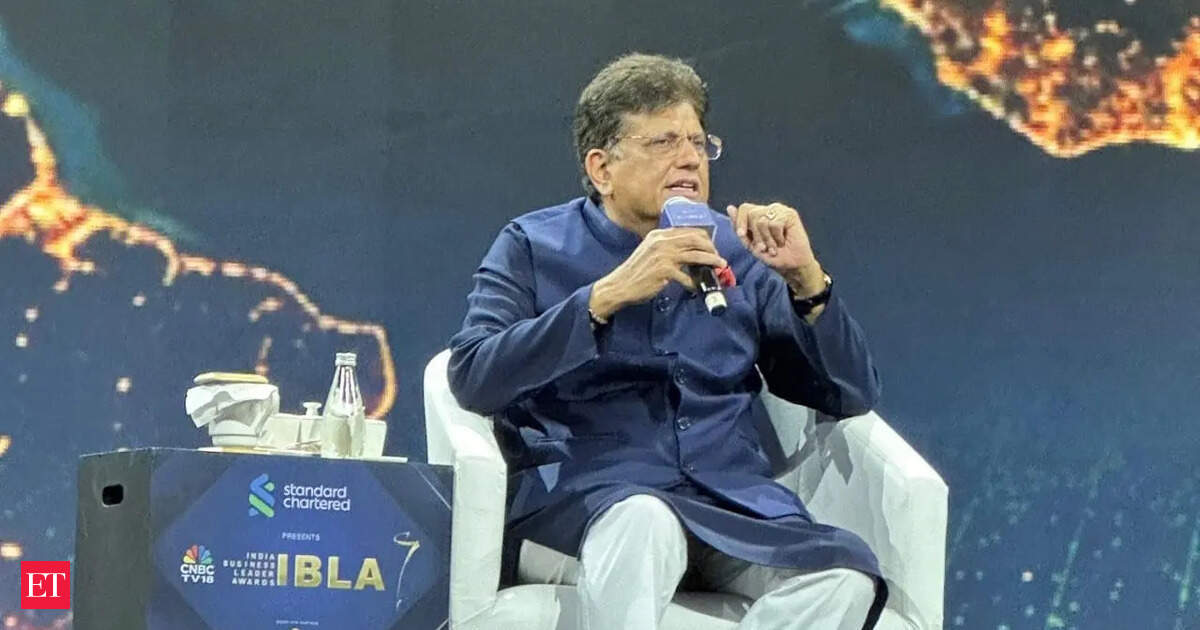
India’s trade trajectory is on the brink of a significant transformation, with Commerce and Industry Minister Piyush Goyal emphasizing that Free Trade Agreements (FTAs) will serve as a critical catalyst for boosting exports and generating large-scale employment across the country.
Goyal, speaking at a recent industry interaction, outlined how India’s strategic push to sign balanced, mutually beneficial trade pacts will strengthen the country’s position in global markets while creating tangible benefits for domestic businesses and workers.
What Are FTAs and Why Do They Matter for India?
Free Trade Agreements are pacts between two or more countries that reduce or eliminate tariffs, import quotas, and other trade barriers to facilitate smoother cross-border commerce. For India, which aims to hit $2 trillion in exports by 2030, FTAs are a core pillar of this target.
Unlike older trade deals that often favored partner countries, India’s new FTA negotiations prioritize reciprocal benefits, ensuring domestic industries—especially micro, small, and medium enterprises (MSMEs)—are not disadvantaged.
Piyush Goyal’s Latest FTA Updates
Goyal highlighted India’s recent progress in finalizing and implementing key trade pacts, including:
- India-UAE Comprehensive Economic Partnership Agreement (CEPA): Implemented in May 2022, the deal has already driven a 12% year-on-year growth in exports to the UAE in the first half of FY24.
- India-Australia Economic Cooperation and Trade Agreement (ECTA): Signed in April 2022, the pact has opened up duty-free access for over 96% of Indian exports to Australia.
- Ongoing Negotiations: India is in active talks for FTAs with the UK, European Union, Canada, and Israel, with targets to finalize at least two major deals by the end of 2024.
How FTAs Will Directly Boost Indian Exports
Reduced tariff barriers under FTAs make Indian goods more price-competitive in partner markets, directly driving higher export volumes. Goyal noted that Indian exporters have already seen a 15-20% reduction in operational costs in markets with active FTAs.
Key sectors set to gain the most from improved market access include:
- Textiles and apparel
- Pharmaceuticals and medical devices
- Engineering goods and auto components
- Agricultural and processed food products
- Renewable energy equipment
The Job Creation Ripple Effect of FTA-Driven Export Growth
Goyal stressed that export growth under FTAs does not just benefit large corporations—it creates a cascading employment effect across the economy. For every ₹1 crore increase in exports, an estimated 28-30 direct jobs are created, according to Ministry of Commerce data.
These jobs span multiple sectors:
- Direct manufacturing roles in export-oriented units
- Logistics, warehousing, and supply chain management positions
- Ancillary roles in packaging, quality testing, and compliance
- Service-based roles in export documentation, trade finance, and market research
Goyal added that FTAs will be particularly impactful for India’s youth, with an estimated 5-7 million new jobs expected to be created across export-linked sectors by 2030.
Addressing Concerns Around FTA Impact on Domestic Industries
Critics have raised concerns that lower import tariffs under FTAs could hurt domestic manufacturers, especially MSMEs. Goyal addressed these worries, noting that India’s new trade pacts include robust safeguard mechanisms to protect local industries.
Key Safeguards in Place for Indian Businesses
- Gradual phase-in of tariff cuts over 5-10 years, giving domestic industries time to adjust
- Quotas on sensitive imports to prevent sudden surges of foreign goods
- Strict rules of origin requirements to prevent third countries from routing goods through FTA partners to avoid tariffs
- Dedicated support schemes for MSMEs to upgrade technology and improve competitiveness
What This Means for Indian Businesses and Job Seekers
For small and medium business owners, now is the time to explore export opportunities in FTA partner markets. The government has launched multiple schemes, including the Export Promotion Capital Goods (EPCG) scheme and interest subsidies for exporters, to ease the transition.
Job seekers, especially those with skills in international trade, supply chain management, and foreign languages, will find growing opportunities in export-linked sectors. Upskilling in these areas can significantly boost employability in the coming years.
Conclusion
Piyush Goyal’s emphasis on FTAs as a driver of export growth and job creation aligns with India’s broader goal of becoming a $5 trillion economy. By signing balanced, proactive trade deals, India is not just expanding its global trade footprint but also creating sustainable employment opportunities for millions of citizens.
As FTA implementation progresses, businesses and workers that adapt early to the changing trade landscape will be best positioned to reap the benefits of India’s new trade-first policy approach.

Comments are closed, but trackbacks and pingbacks are open.