

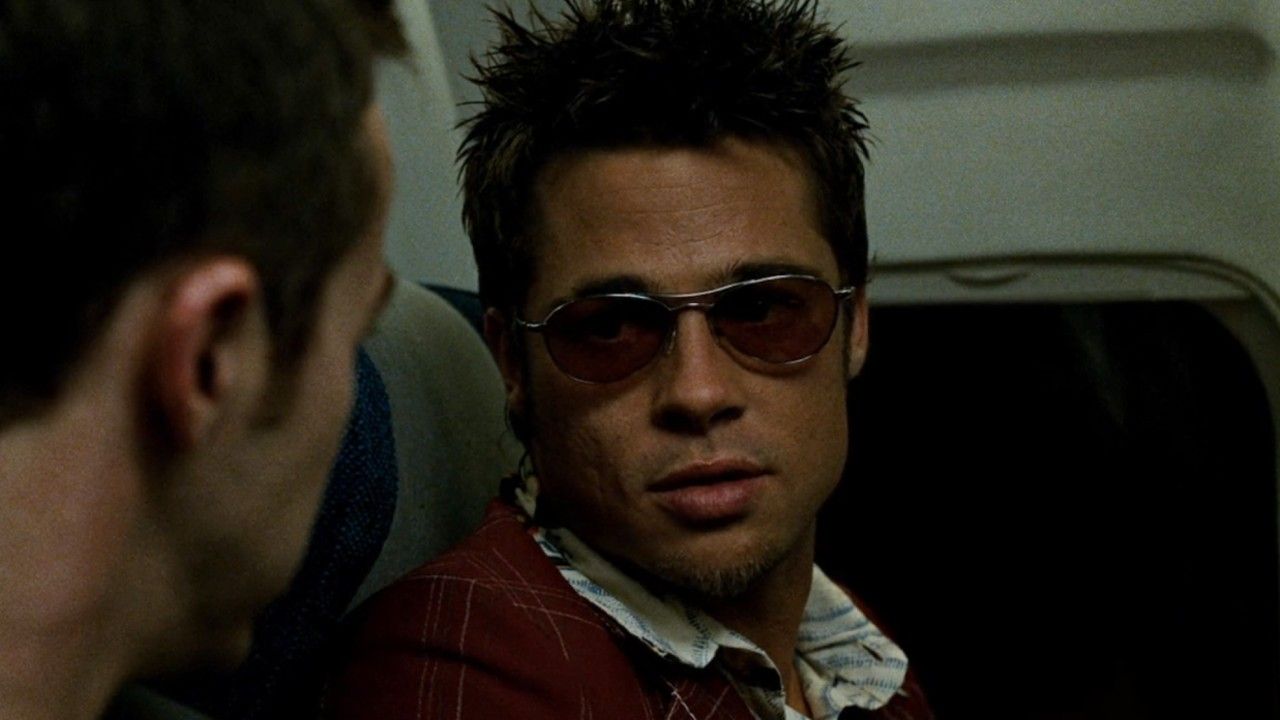
The ’90s Movie Gap: Why Gen Z Missed the Golden Era
If you’ve ever tried to introduce a Gen Z friend to Pulp Fiction or The Matrix and been met with a blank stare, you’re not alone. Recent discussions across social media have sparked a fascinating debate about why younger generations seem unfamiliar with the movies that defined the ’90s.
The conversation gained momentum when users on various platforms began sharing their surprise at discovering that many Gen Z viewers have never seen iconic ’90s films. Let’s explore the reasons behind this generational movie gap.
1. The Streaming Revolution Changed Everything
One of the most significant factors is how we consume media today. Gen Z grew up in the age of streaming, where algorithms curate content based on viewing habits. These algorithms naturally prioritize newer releases and trending content, making older films harder to discover.
Unlike previous generations who had to actively seek out movies, today’s viewers rely on what’s presented to them. Many classic ’90s films simply don’t appear in recommendation queues because they don’t generate the same engagement metrics as newer content.
2. Platform Availability and Licensing Issues
Here’s a harsh reality: many beloved ’90s movies aren’t available on popular streaming platforms. Licensing agreements are complex, and older films often get lost in the shuffle. A teenager looking for movies on Netflix or Disney+ might never stumble upon Clueless or Terminator 2 simply because they’re not there.
Physical media has largely disappeared, and rental stores are a thing of the past. Without easy access, how can we expect younger audiences to discover these films?
3. Different Entertainment Priorities
Gen Z consumes entertainment differently than previous generations. With TikTok, YouTube, video games, and podcasts competing for attention, sitting down to watch a two-hour movie from 1995 isn’t always appealing—especially when it’s in lower resolution and lacks the visual effects younger viewers are accustomed to.
The pacing of ’90s films also differs from today’s content. Modern audiences are used to faster edits, immediate gratification, and binge-worthy series. Some classic films simply feel slow by comparison.
4. Natural Generational Gaps Exist
Let’s be honest: every generation has movies their parents loved that they didn’t connect with. Baby boomers might wonder why millennials don’t appreciate Casablanca, just as millennials might scratch their heads at Gen Z’s relationship with Barbie or Spider-Man: Across the Spider-Verse.
This isn’t ignorance—it’s simply the natural progression of culture. Each generation develops its own references, inside jokes, and cultural touchstones.
5. The Nostalgia Factor
There’s also the matter of nostalgia. When older generations reminisce about ’90s movies, they’re really remembering a specific time in their lives—being young, going to the cinema with friends, and experiencing these films for the first time. That emotional connection is impossible to replicate for someone watching Jurassic Park for the first time in 2024.
Gen Z will have their own nostalgia-worthy films from the 2010s and 2020s that future generations might also be unfamiliar with.
Bridging the Gap
The good news? Many Gen Z viewers are genuinely curious about older films once they’re introduced to them. Social media has created new opportunities for discovery—TikTok edits, YouTube video essays, and Reddit discussions all serve as gateways to classic cinema.
Film clubs, Criterion Channel subscriptions, and curated streaming collections are helping younger audiences discover these hidden gems. The interest is there—it just takes the right introduction.
The Bottom Line
Gen Z’s lack of familiarity with ’90s movies isn’t a reflection of laziness or poor taste. It’s the result of technological shifts, changing media consumption habits, and the natural passage of time. Rather than criticizing younger generations for not knowing our favorites, perhaps we should focus on sharing what made those films special to us.
After all, every generation deserves the chance to discover cinema that resonates with them—just as we once did.

Comments are closed, but trackbacks and pingbacks are open.