
Toxicological Investigation of Mycotoxin Contaminants and Antibiotic Residues in Poultry: Risks to Human Health

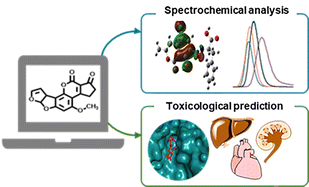
Introduction
The modern poultry industry delivers affordable protein to billions, but hidden chemical threats—mycotoxins and antibiotic residues—can travel from farm to fork. Understanding how these contaminants form, accumulate, and affect human health is essential for consumers, producers, and policymakers.
What Are Mycotoxins?
Mycotoxins are toxic metabolites produced by fungi that grow on feed grains such as corn, wheat, and sorghum. Common poultry‑related mycotoxins include:
- Afla‑B1 – a potent liver carcinogen.
- Deoxynivalenol (DON) – causes feed refusal and immune suppression.
- Zearalenone (ZEA) – interferes with reproductive hormones.
These toxins survive processing and can accumulate in chicken meat, eggs, and off‑alys, creating a direct exposure route for consumers.
Antibiotic Residues in Poultry
Antibiotics are used in poultry for disease prevention, growth promotion, and therapeutic treatment. Residues may remain in edible tissues when withdrawal periods are not strictly observed. Key antibiotics of concern include:
- Tetracyclines
- Fluoroquinolones
- Macrolides
Residues can contribute to antibiotic‑resistant bacteria in the gut of humans who consume the meat.
How Contaminants Enter the Food Chain
1. Contaminated Feed
Fungal spores thrive in warm, humid storage conditions. Improper drying or storage of grain leads to mycotoxin production, which the birds ingest and metabolize.
2. Improper Drug Administration
Farmers may under‑dose or ignore withdrawal times to meet market demand, leaving measurable residues in muscle, liver, and eggs.
Human Health Impacts
While occasional low‑level exposure may be tolerated, chronic intake poses serious risks:
- Carcinogenicity: Aflatoxin‑B1 is classified as a Group 1 carcinogen.
- Immune Dysfunction: DON suppresses cytokine production, increasing infection susceptibility.
- Endocrine Disruption: ZEA mimics estrogen, affecting reproductive health.
- Antibiotic Resistance: Residues select for resistant gut flora, reducing the efficacy of life‑saving medicines.
Regulatory Landscape
International bodies (FAO/WHO, Codex Alimentarius) set maximum residue limits (MRLs) for both mycotoxins and antibiotics. However, enforcement varies:
- EU: Strict MRLs and mandatory testing for aflatoxins in eggs.
- USA: USDA monitors antibiotic residues through the Food Safety Inspection Service.
- Developing regions: Limited testing capacity often leads to higher exposure.
Detection Methods
Accurate monitoring relies on rapid, sensitive techniques:
| Analyte | Method | Detection Limit |
|---|---|---|
| Aflatoxin‑B1 | LC‑MS/MS | 0.1 µg/kg |
| DON | ELISA | 50 µg/kg |
| Tetracycline residues | HPLC‑FLD | 30 µg/kg |
Mitigation Strategies for Producers
- Feed Management: Use certified low‑mycotoxin grain, apply binders, and maintain proper storage humidity (<10 %).
- Antibiotic Stewardship: Adopt veterinary‑guided treatment plans, respect withdrawal periods, and explore alternatives such as probiotics and vaccines.
- On‑farm Testing: Implement rapid test kits for early detection before birds reach market weight.
- Traceability Systems: Blockchain or QR‑code tagging can confirm compliance throughout the supply chain.
Consumer Guidance
- Prefer certified organic or antibiotic‑free labels.
- Cook poultry to an internal temperature of 74 °C (165 °F) to reduce bacterial load, though it does not eliminate chemical residues.
- Support producers who publish third‑party testing results.
Conclusion
The coexistence of mycotoxin contamination and antibiotic residues in poultry presents a clear public‑health challenge. By strengthening feed quality controls, enforcing residue limits, and embracing responsible antibiotic use, the industry can safeguard consumer health while maintaining productivity. Ongoing research and transparent monitoring will be the cornerstone of a safer, more sustainable poultry supply chain.

Comments are closed, but trackbacks and pingbacks are open.