

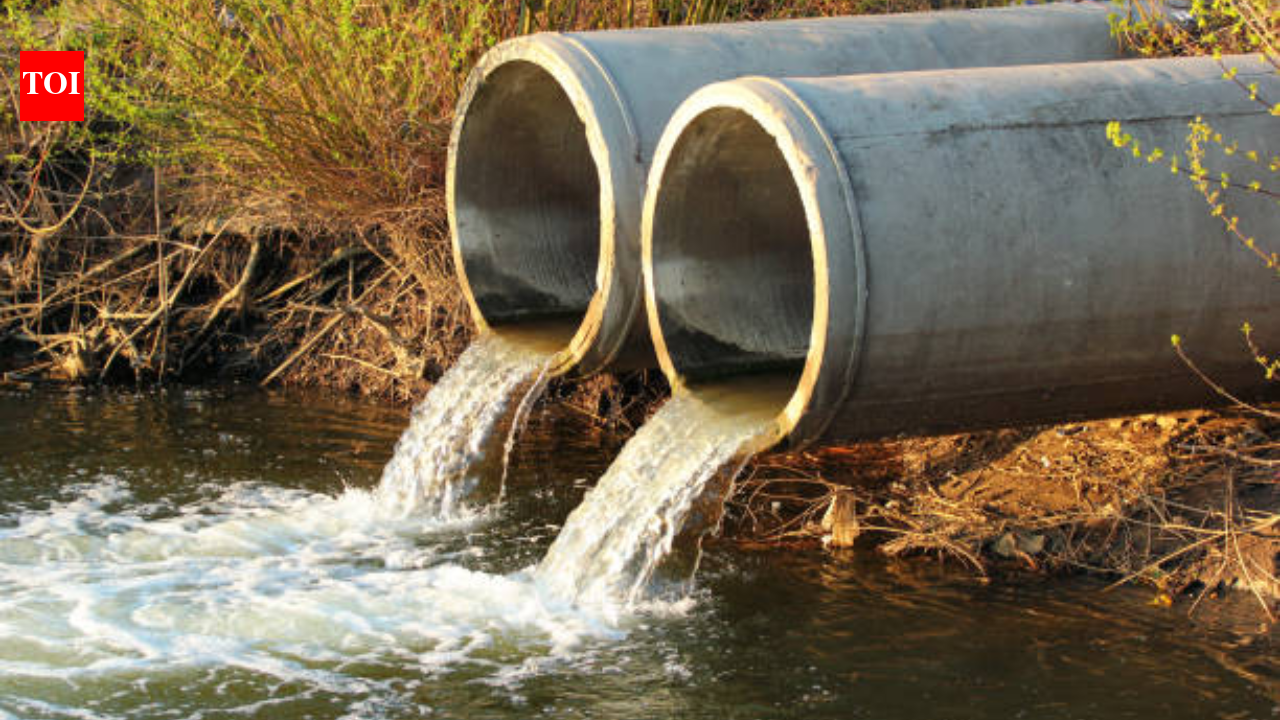
Western Australia’s Department of Health has confirmed the detection of poliovirus in Perth’s wastewater system, following routine surveillance testing conducted earlier this month. This marks the first detection of the virus in the state’s sewage in 12 years, sparking a public health alert for residents across the Perth metro area.
What We Know About the Poliovirus Perth Wastewater Detection
How Was the Virus Identified?
Wastewater surveillance is a core tool used by Australian health authorities to track the spread of infectious diseases, from COVID-19 to now polio. Samples collected from three Perth wastewater treatment plants tested positive for poliovirus fragments, though no cases of paralytic polio have been reported in the state to date.
Wild vs Vaccine-Derived Poliovirus: What’s the Difference?
Early genomic testing confirms the detected strain is vaccine-derived poliovirus type 2 (VDPV2), linked to the oral polio vaccine (OPV) used in parts of Asia and Africa. Australia only uses the inactivated polio vaccine (IPV), an injectable shot that contains no live virus and cannot cause polio or shed into wastewater.
What Does This Mean for Perth Residents?
This detection does not signal an active paralytic polio outbreak in Perth. It simply indicates at least one person in the metro area has been infected with the virus and is shedding it in their waste. Most people with poliovirus infection have no symptoms, while roughly 1 in 4 experience mild, flu-like illness. A small subset (less than 1%) develop severe muscle weakness or paralysis.
Who Is Most at Risk?
Unvaccinated or under-vaccinated people face the highest risk of severe complications. High-risk groups include:
- Children under 5 who have not completed their routine polio vaccine schedule
- Adults who have not received a polio booster in the last 10 years
- People with weakened immune systems (e.g. cancer patients, organ transplant recipients)
Actionable Steps to Protect Your Household
WA Health has issued clear, practical advice for all Perth residents to reduce their risk:
- Check your vaccination status immediately: Use the Australian Immunisation Register (AIR) to confirm you and your family are up to date. Free catch-up vaccines are available for all eligible Australians.
- Monitor for symptoms: Mild poliovirus symptoms include fever, fatigue, headache, vomiting, neck stiffness, and limb pain. Seek urgent medical care if these develop.
- Practice strict hygiene: Wash hands with soap and water for 20 seconds after using the bathroom, before eating, and after caring for sick people. Avoid sharing utensils or towels.
- Stay home if unwell: Avoid work, school, or public gatherings if you have flu-like symptoms until cleared by a doctor.
Australia’s Polio-Free Status Remains Intact
Australia has maintained WHO polio-free status since 2000, and this single wastewater detection does not change that. The country’s high childhood vaccination rate (94% fully vaccinated against polio) provides strong herd immunity against widespread transmission. Health authorities note that similar isolated wastewater detections in other Australian states have not led to outbreaks in recent years.
Next Steps for Public Health Surveillance
WA Health will double the frequency of wastewater testing across Perth and surrounding regional areas to track any further spread of the virus. Targeted pop-up vaccination clinics will be rolled out in suburbs where the virus was detected, to boost coverage and protect vulnerable residents.
Stay Calm, Stay Prepared
While the detection of poliovirus in Perth wastewater is a serious public health signal, it is not a cause for panic. Following official guidance, updating your vaccines, and practicing good hygiene are the most effective ways to keep yourself and your community safe. For real-time updates, visit the WA Health Department website or follow their verified social media accounts.

Comments are closed, but trackbacks and pingbacks are open.