

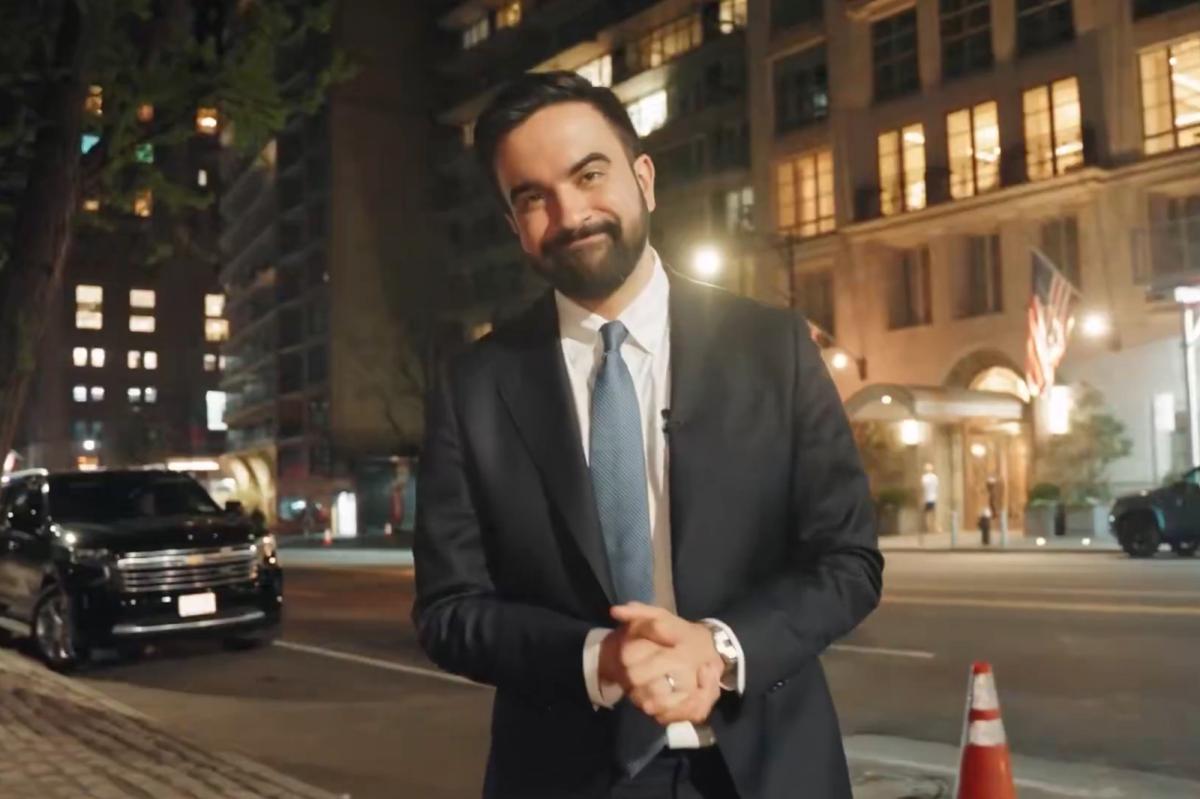
New York City has always been a battleground of wealth, influence, and competing narratives. But lately, a new fault line has emerged—one that pits the city’s wealthiest residents against academics, activists, and intellectuals who increasingly portray them as the root of society’s problems.
For many of NYC’s elite, enough is enough.
The Growing resentment Among New York’s Power Players
Across Manhattan penthouses, hedge fund offices, and exclusive country clubs, a sentiment is brewing. NYC’s most successful residents—those who’ve built empires, created jobs, and contributed billions to the city’s economy—feel increasingly vilified by a vocal contingent of critics.
"We’re tired of being the villain in someone else’s story," says one prominent Manhattan businessman who requested anonymity. "We’ve built this city. We’ve given billions to charities and causes. And yet, we’re constantly painted as the enemy."
This frustration stems from what many perceive as a systematic demonization of success by certain academics and public intellectuals. Critics point to scholars who frame wealth inequality through a lens that seemingly blames individual achievement rather than systemic factors.
Who Are the Critics?
The controversy centers on intellectuals and academics who have drawn attention to wealth disparity in New York. These voices argue that the city’s elite have hoarded resources, influenced politics to serve their interests, and contributed to a housing crisis that prices out working-class families.
Among the most vocal critics are academic figures who have written extensively about class dynamics, urban policy, and the role of wealthy elites in shaping New York’s trajectory. Their work often highlights how concentrated wealth influences everything from housing policy to education access.
"The criticism isn’t without merit," acknowledges one real estate developer. "But there’s a difference between constructive criticism and a constant narrative that wealthy people are inherently morally corrupt."
The Elite’s Response: Pushback and Defense
Rather than staying silent, NYC’s elite are increasingly pushing back. Philanthropists are more vocal about their contributions. Business leaders are speaking out about job creation and economic impact. There’s a concerted effort to reshape the narrative around wealth in America.
This pushback manifests in several ways:
- Philanthropic visibility: Major donors are increasingly publicizing their charitable contributions, hosting events that showcase their giving rather than staying behind the scenes.
- Public advocacy: Business leaders are more willing to appear in media, defending capitalism and individual achievement.
- Political engagement: Wealthy New Yorkers are becoming more politically active, supporting candidates who champion pro-business policies.
- Cultural commentary: Opinion pieces and essays defending wealth and entrepreneurship have increased significantly.
A Deeper Cultural Divide
At its core, this tension reflects a broader cultural divide in America about wealth, success, and responsibility. On one side are those who view significant wealth as inherently problematic—a sign of exploitation or systemic unfairness. On the other side are those who see wealth as a reward for innovation, hard work, and value creation.
"The narrative that successful people are the enemy is destructive," argues a prominent NYC philanthropist. "It discourages entrepreneurship, drives away businesses, and creates a toxic environment for growth."
Critics, however, maintain that addressing inequality requires acknowledging the role that concentrated wealth plays in perpetuating social stratification. They argue that defending elite interests without examining systemic issues misses the point entirely.
What This Means for New York’s Future
The clash between NYC’s elite and their critics will likely intensify in the coming years. As housing costs rise, income inequality remains stark, and political polarization increases, both sides will continue to define themselves in opposition to the other.
For New York to thrive, finding common ground may be essential. The city needs both the economic engine that wealthy residents provide and policies that ensure opportunity remains accessible to all. Whether these competing interests can find balance remains to be seen.
What is clear is that NYC’s elite are no longer content to be silent targets. The pushback has begun, and it promises to reshape how wealth and success are discussed in America’s largest city.

Comments are closed, but trackbacks and pingbacks are open.