

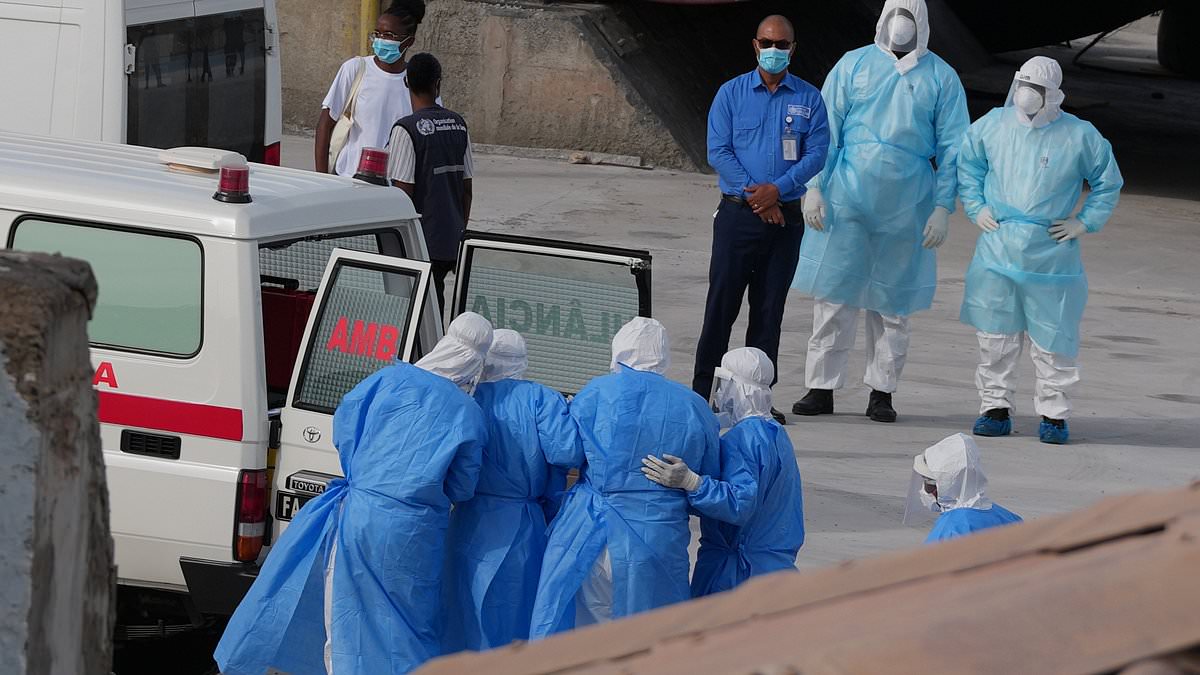
Introduction: A New Threat on the Horizon?
The recent hantavirus outbreak aboard a luxury cruise ship has set off alarm bells worldwide. While the virus has long been associated with isolated rodent‑borne infections, the possibility of a rapid, global spread raises urgent questions. In this article, leading virologists and public‑health officials answer the most pressing queries: Could hantavirus trigger a pandemic? How likely is it? And what steps can we take to protect ourselves?
What Is Hantavirus?
Hantaviruses belong to the Bunyaviridae family and are carried primarily by rodents. Humans become infected through inhalation of aerosolized droppings, urine, or saliva. Symptoms range from mild fever to severe respiratory distress (Hantavirus Pulmonary Syndrome, HPS) and can be fatal in up to 40% of cases.
Key facts at a glance
- Transmission: No human‑to‑human spread documented in most regions; rare exceptions in South America.
- Incubation period: 1‑4 weeks.
- Mortality rate: 15‑40% depending on the strain.
- Geographic hotspots: Americas, parts of Europe and Asia where rodent reservoirs thrive.
Can Hantavirus Cause a Pandemic?
Experts agree that while the virus is deadly, several factors limit its pandemic potential:
- Limited human‑to‑human transmission: The virus requires direct contact with rodent excreta. Unlike influenza or SARS‑CoV‑2, it does not spread easily through droplets or aerosols between people.
- Environmental dependence: Outbreaks usually follow rodent population booms, which are often localized.
- Effective containment: Early detection, quarantine of affected individuals, and rodent control can halt spread rapidly.
However, the cruise ship incident highlights a scenario where confined spaces and inadequate sanitation could amplify exposure, making localized clusters more severe.
Why Are Experts Worried About the Cruise Ship Outbreak?
The vessel’s design—tight quarters, shared ventilation, and a high density of passengers—creates a perfect storm for airborne pathogens. While hantavirus typically spreads via dust, the ship’s housekeeping lapses allowed contaminated material to circulate through the HVAC system, increasing inhalation risk.
Key concerns include:
- Delayed detection: Symptoms appeared days after exposure, making early isolation difficult.
- International travel: Infected passengers disembarked at multiple ports, raising the chance of secondary cases.
- Public perception: Media coverage can amplify fear, potentially leading to panic‑buying of antivirals that don’t exist.
How Worried Should the Public Be?
Overall risk to the general population remains low, but vigilance is advisable for those in high‑risk environments:
- Travelers: Avoid cabins with visible rodent droppings; request thorough cleaning before boarding.
- Outdoor enthusiasts: Wear masks when camping or hiking in rodent‑infested areas.
- Homeowners: Seal food containers, reduce clutter, and use traps to control rodent populations.
Health agencies worldwide are monitoring the situation and have issued guidelines for rapid testing and isolation of suspected cases.
Prevention Measures Recommended by Experts
For Travelers and Cruise Lines
- Implement rigorous rodent‑proofing protocols during ship maintenance.
- Upgrade ventilation filters to HEPA standards.
- Conduct daily inspections for droppings in cabins, kitchens, and storage areas.
For Public Health Officials
- Establish sentinel surveillance in ports with high rodent activity.
- Distribute rapid PCR kits to cruise medical teams.
- Promote community education on safe cleaning practices.
What to Do If You Suspect Hantavirus Infection
Early medical attention dramatically improves outcomes. Follow these steps:
- Contact a healthcare provider immediately if you develop sudden fever, muscle aches, or shortness of breath after exposure to rodents.
- Inform the doctor about recent travel or cruise ship stays.
- Stay hydrated and rest; avoid self‑medicating with antibiotics, which are ineffective against viruses.
Conclusion: Stay Informed, Not Paralyzed
While hantavirus is unlikely to spark a global pandemic, the cruise ship outbreak serves as a cautionary tale about how environmental factors can magnify an otherwise contained disease. By understanding transmission routes, adopting practical prevention habits, and supporting robust public‑health surveillance, we can keep the risk at bay without succumbing to fear.

Comments are closed, but trackbacks and pingbacks are open.