

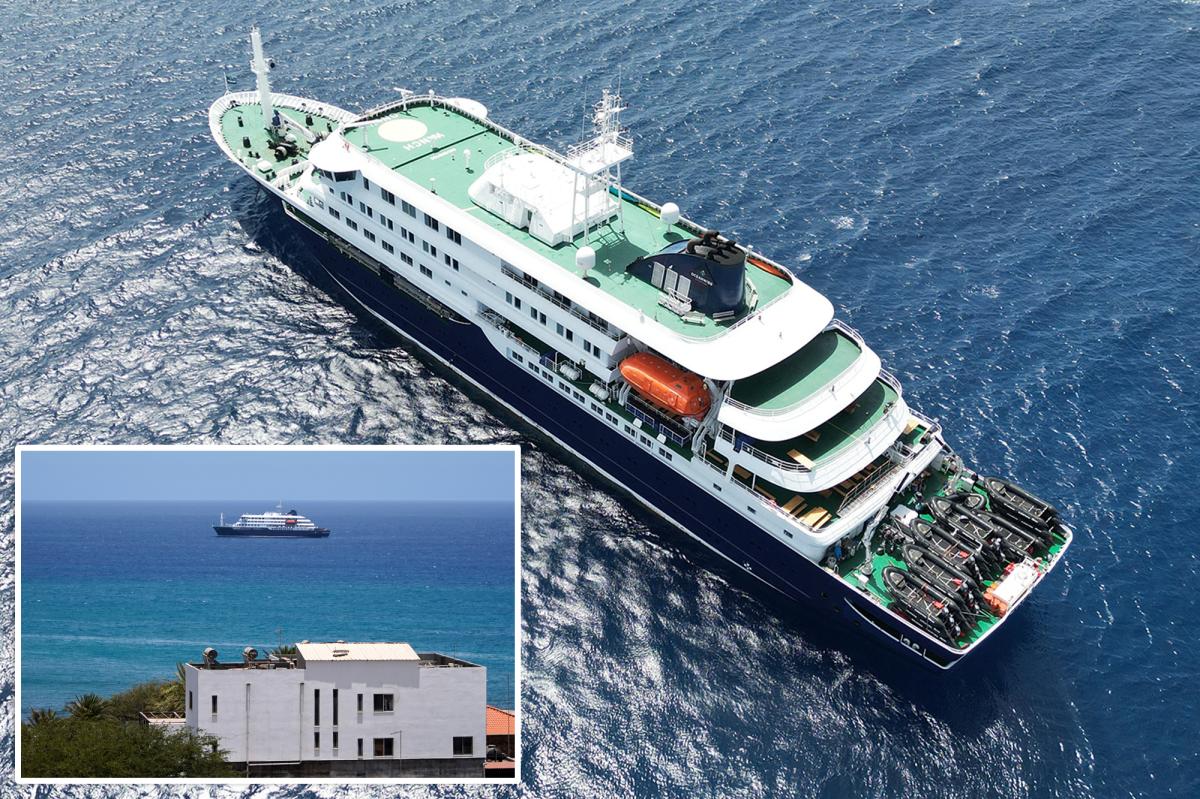
The World Health Organization (WHO) has confirmed a sharp rise in hantavirus cases aboard the expedition cruise ship MV Hondius, with confirmed infections climbing to 7 as of the latest update. Hundreds of passengers remain stranded off the coast of Cape Verde, unable to disembark as health authorities work to contain the outbreak.
Latest MV Hondius Hantavirus Outbreak Update
The MV Hondius, an expedition cruise vessel operated by Oceanwide Expeditions, has been anchored off Cape Verde’s coast since reports of hantavirus infections first emerged earlier this month. WHO officials confirmed the case count rose from 4 to 7 in the past 48 hours, with all confirmed patients receiving medical care in onboard isolation wards.
Cape Verde’s Ministry of Health has barred all passengers and crew from disembarking until contact tracing, mass testing, and ship disinfection protocols are complete. No deaths have been reported so far, and health officials describe all current cases as mild to moderate.
What You Need to Know About Hantavirus
Hantavirus is a rodent-borne pathogen that causes two main types of infection in humans: hantavirus hemorrhagic fever with renal syndrome (HFRS) in Europe and Asia, and hantavirus pulmonary syndrome (HPS) in the Americas. The strain linked to the MV Hondius outbreak is still being sequenced, but early testing points to a type common in West African rodent populations.
Key facts about hantavirus transmission:
- Spreads primarily through contact with urine, droppings, or saliva of infected rodents, or breathing in aerosolized particles from these materials.
- Person-to-person transmission is extremely rare for most hantavirus strains.
- Early symptoms include fever, fatigue, muscle aches (especially in large muscles like thighs and back), and headache.
- Severe cases can progress to respiratory failure or kidney damage if left untreated.
How Did Hantavirus Spread on MV Hondius?
Cruise ship outbreaks of hantavirus are uncommon, as the virus requires rodent hosts to spread. Preliminary investigations suggest a rodent infestation in the ship’s lower deck storage areas may have triggered the outbreak, with aerosolized particles from rodent waste spreading through the ship’s ventilation system in early stages.
All onboard rodents have since been eradicated, and the ship has undergone two rounds of deep disinfection, according to Oceanwide Expeditions.
Why Passengers Remain Trapped Off Cape Verde
Local health authorities and WHO teams are conducting mandatory testing for all 198 passengers and 72 crew members aboard the MV Hondius. Until all test results are returned and no new cases are detected for 14 days, disembarkation will not be permitted.
Passengers have been provided with regular health updates, free meals, and access to onboard medical staff. The cruise line has also offered full refunds and credit for future voyages to all affected travelers.
Containment Efforts Underway
Key steps being taken to stop the outbreak:
- Isolation of all confirmed hantavirus cases in dedicated onboard medical wards, with telemedicine support from WHO infectious disease specialists.
- Daily symptom checks for all passengers and crew, with immediate testing for anyone reporting fever or muscle aches.
- Full fumigation of the ship’s ventilation system and all storage areas to eliminate any remaining viral particles.
- Contact tracing to identify anyone who may have been exposed to early confirmed cases, with mandatory quarantine for close contacts.
What Cruise Passengers Should Do to Stay Safe
If you are traveling on a cruise ship amid ongoing outbreak risks, follow these simple steps:
- Avoid contact with any rodents or rodent droppings you may see on board.
- Wash your hands regularly with soap and water, especially before eating.
- Report any flu-like symptoms to onboard medical staff immediately, even if they seem mild.
- Follow all disembarkation and quarantine guidelines issued by local health authorities.
Final Takeaway
The MV Hondius hantavirus outbreak remains contained, with no signs of widespread transmission beyond the 7 confirmed cases. WHO and Cape Verde health officials expect the ship to be cleared for disembarkation within 10 to 14 days, pending negative test results for all onboard.
For the latest updates, travelers are advised to check official WHO bulletins and Cape Verde Ministry of Health announcements, rather than relying on unverified social media reports.

Comments are closed, but trackbacks and pingbacks are open.