

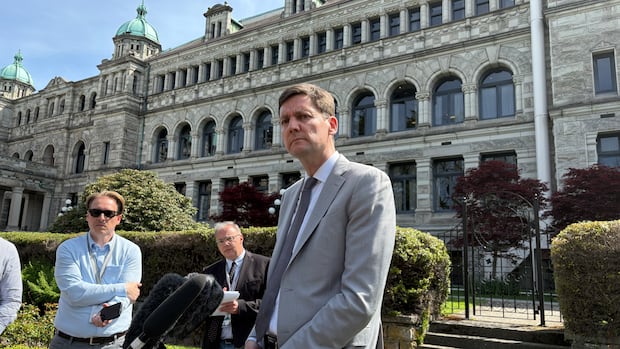
British Columbia Premier David Eby is pushing back against the federal government’s decision to exclude softwood lumber from a new round of tariff relief measures, warning the omission will deal a major blow to the province’s forestry-dependent communities.
The federal government announced the tariff relief package earlier this week, targeting sectors hit hard by retaliatory trade measures. But industry leaders and the BC premier say leaving out softwood lumber — a cornerstone of the province’s economy — ignores the unique pressures facing Canadian forestry producers.
Why Softwood Lumber Is Critical to BC
Softwood lumber is one of British Columbia’s top exports, supporting thousands of jobs across rural and Indigenous communities. The sector contributes billions to the provincial GDP annually, with most product shipped to the United States for residential construction.
Key stats on BC’s softwood lumber sector:
- Employs more than 140,000 people directly and indirectly across the province
- Accounts for roughly 12% of BC’s total merchandise exports
- Generates over $8 billion in annual revenue for the provincial economy
- Supports more than 100 rural communities where forestry is the primary employer
Details of the Federal Tariff Relief Package
The new federal relief measures aim to offset costs for Canadian businesses facing retaliatory tariffs from trading partners. Eligible sectors include steel, aluminum, and critical minerals — but softwood lumber was notably absent from the list.
Federal officials said the package was tailored to sectors facing the highest immediate tariff burdens, but Premier Eby argues the forestry sector’s long-standing trade disputes make it equally deserving of support.
Premier Eby’s Key Criticisms
Eby held a press conference Tuesday to outline his concerns, calling the exclusion “short-sighted” and “out of touch” with rural BC realities.
Economic Impact Warnings
“This decision will put more pressure on already struggling mills, threaten jobs, and destabilize communities that have relied on forestry for generations,” Eby said. “Softwood lumber producers are facing 17.9% U.S. tariffs right now — they need relief, not more barriers.”
The premier noted that many BC lumber mills have already scaled back operations or closed in recent years due to trade disputes, wildfire damage, and insect infestations. The tariff relief exclusion adds another layer of uncertainty for the sector.
Call for Federal Reconsideration
Eby says the province will formally request the federal government add softwood lumber to the relief list, and is rallying support from other provincial leaders and industry groups.
“We’re not asking for special treatment — we’re asking for fairness for a sector that’s been fighting unfair U.S. tariffs for decades,” he added.
What’s Next for BC’s Forestry Sector
Provincial officials say they are exploring additional support measures for lumber producers, including expanded training programs for displaced workers and funding for mill upgrades. But Eby emphasized that federal support is critical to stabilizing the sector long-term.
Industry groups, including the Council of Forest Industries, have also voiced support for the premier’s push, noting that tariff relief would help offset rising production costs and keep BC lumber competitive in global markets.
Conclusion: Why This Decision Matters
The exclusion of softwood lumber from federal tariff relief highlights the ongoing tension between provincial and federal trade priorities. For BC, the stakes are high: thousands of jobs and entire communities depend on a stable, supported forestry sector.
As the premier continues to push for change, all eyes are on Ottawa to see if it will adjust the relief package to include one of Canada’s most iconic export industries.

Comments are closed, but trackbacks and pingbacks are open.