

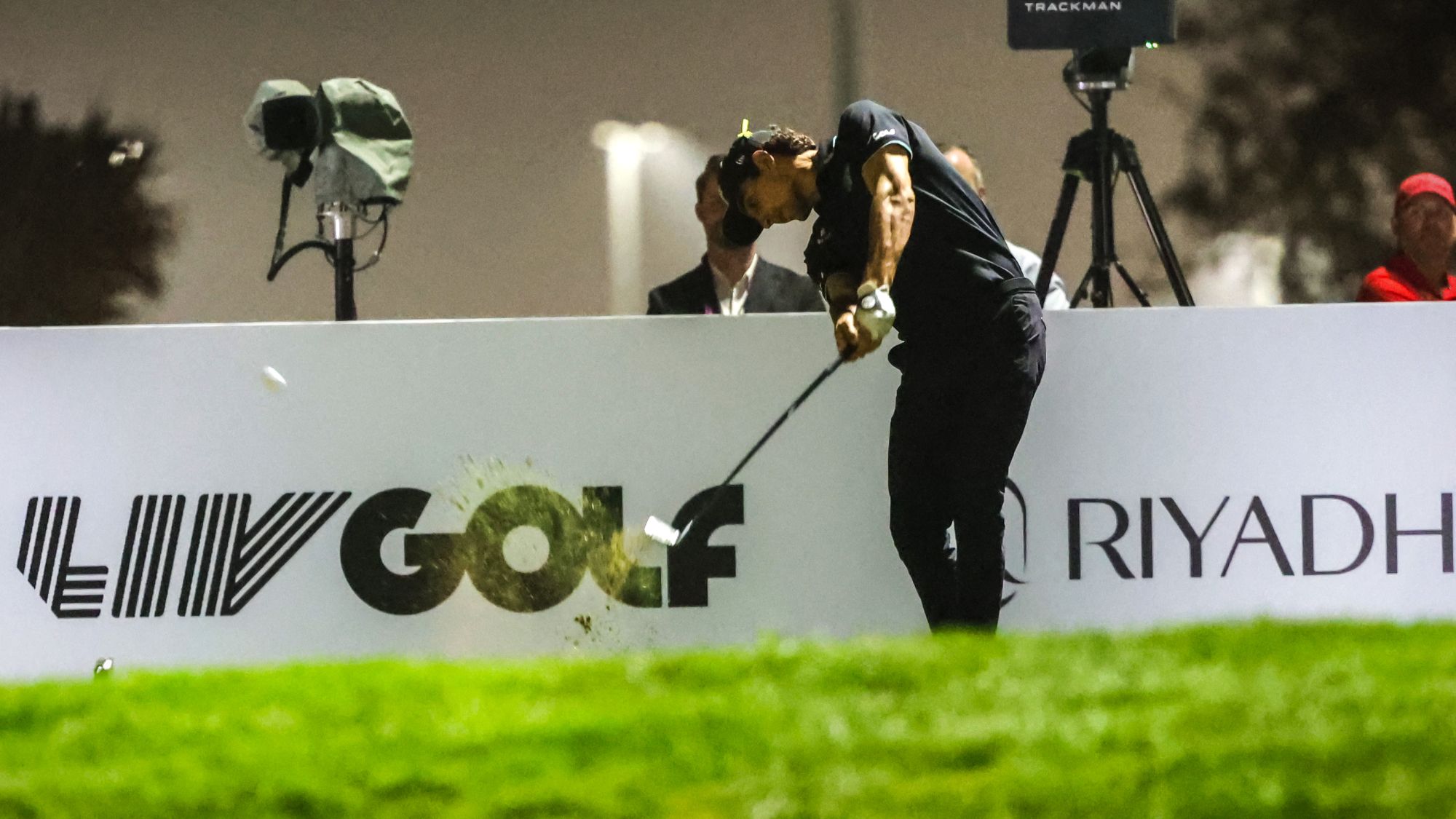
When a major financial backer pulls out, the ripple effect can reshape an entire sport. That’s exactly what’s happening to LIV Golf, the Saudi‑backed professional golf league that promised to disrupt the traditional tour model. In this article, we explore why the Saudi funding is disappearing, what it means for players and tournaments, and the possible paths forward for the league.
What triggered the Saudi funding pull?
Several factors converged to create a perfect storm:
- Geopolitical pressure: Ongoing scrutiny over human‑rights concerns has forced many Saudi entities to reconsider high‑visibility investments.
- Financial performance: Early ticket sales and broadcast deals fell short of expectations, putting pressure on the return‑on‑investment calculations.
- Regulatory scrutiny: U.S. and EU regulators have increased oversight on foreign money entering sports leagues, raising compliance costs.
Immediate impact on the league
Without the promised capital, LIV Golf faces three urgent challenges:
1. Event schedule uncertainty
Several upcoming tournaments were contingent on venue contracts that required multi‑million‑dollar guarantees. Organizers now have to either renegotiate terms or cancel events, potentially leaving gaps in the season calendar.
2. Player contracts and prize pools
Many players were lured by the promise of hefty guaranteed payouts. With funding in doubt, the league must either renegotiate contracts or risk a mass exodus back to the PGA and European Tours.
3. Sponsor confidence
Corporate sponsors pay close attention to a league’s financial stability. The funding pull may cause existing partners to re‑evaluate their commitments, further shrinking revenue streams.
Possible paths forward
While the outlook appears bleak, there are a few strategies LIV Golf could pursue to stay afloat:
- Seek alternative investors: Target sovereign wealth funds, private equity firms, or high‑net‑worth individuals who share an interest in sports disruption.
- Scale back the product: Reduce the number of events, focus on high‑profile locations, and cut operational costs while maintaining a premium brand image.
- Partner with established tours: A joint‑venture model with the PGA or European Tour could provide financial backing and legitimacy while preserving LIV’s innovative format.
- Monetize digital assets: Develop a subscription‑based streaming platform, sell exclusive behind‑the‑scenes content, and leverage NFTs or blockchain ticketing to generate new revenue.
What this means for fans and players
Fans: Expect possible schedule changes and a reduced slate of events. However, the league’s emphasis on faster‑paced, team‑based competition could still deliver a unique viewing experience.
Players: Those on guaranteed contracts may negotiate settlements, while others could view this as an opportunity to return to traditional tours that offer more stable earnings.
Long‑term outlook for LIV Golf
The league’s core concept—reimagining golf with a team focus, shortened formats, and lucrative payouts—still resonates with a segment of the market. If LIV Golf can secure new capital or restructure its business model, it could emerge as a niche but influential player in professional golf.
Conversely, prolonged funding gaps could lead to a gradual winding down, leaving the traditional tours to dominate once more.
Conclusion
The Saudi funding pull has thrown LIV Golf into a precarious position, but it also forces the league to innovate or consolidate. The next few months will reveal whether the organization can attract fresh investors, slash costs, or forge strategic partnerships. For now, the future remains uncertain, and stakeholders—from players to fans—should brace for change.

Comments are closed, but trackbacks and pingbacks are open.