

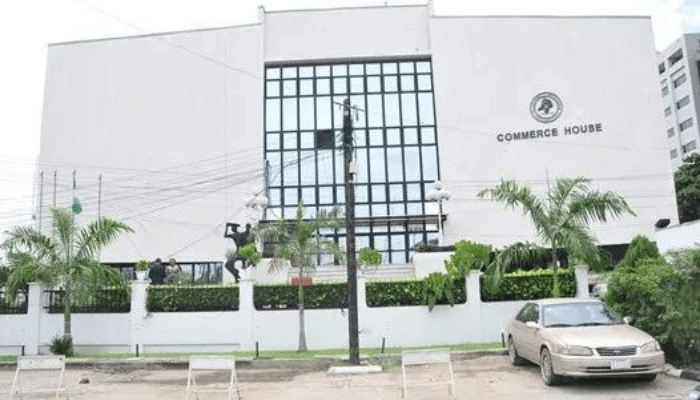
LCCI Faults Nigeria’s Budget Execution, Cautions Against Oil Windfall Spending
The Lagos Chamber of Commerce, Industry, Mines and Agriculture (LCCI) has raised fresh concerns over Nigeria’s 2024 budget implementation, issuing a stern warning against reckless spending of unexpected oil revenue windfalls.
As the country navigates volatile global oil prices and slow non-oil revenue growth, the chamber’s latest advisory highlights critical risks that could derail Nigeria’s fiscal stability and private sector growth.
What Did LCCI Say About Budget Execution?
LCCI’s position follows a review of the 2024 federal budget’s performance in the first half of the year, with the chamber flagging multiple gaps in implementation.
Key Criticisms of 2024 Budget Implementation
- Slow release of capital allocation funds to priority sectors including infrastructure, agriculture, and education, delaying key projects.
- Persistent discrepancies between budgeted revenue targets and actual inflows, especially from non-oil tax sources.
- Lack of public transparency in tracking project completion against allocated funds, making it hard to measure impact.
- Underperformance of tax revenue collection against set targets, widening the fiscal deficit.
LCCI’s Warning On Oil Windfall Spending
The chamber noted that recent spikes in global oil prices have handed Nigeria unexpected revenue gains beyond initial budget projections. However, LCCI cautioned that channeling these funds into recurrent expenditure or unplanned projects would worsen inflation and threaten debt sustainability.
The group urged the federal government to adopt a disciplined approach to windfall revenue, with clear rules on allocation:
- Ring-fence oil windfall gains exclusively for capital projects with high job creation and growth potential.
- Prioritize spending on outstanding statutory transfers and debt servicing to reduce cumulative interest obligations.
- Avoid using windfall revenue to fund populist, short-term programs with no long-term economic impact.
- Publish regular, audited public reports on how all windfall funds are utilized to ensure accountability.
Why LCCI’s Advisory Matters for the Nigerian Economy
LCCI represents over 2,000 businesses across Nigeria’s key industrial, agricultural, and service sectors, meaning its recommendations carry significant weight with policymakers.
The chamber stressed that poor budget execution has already slowed private sector growth, as delayed infrastructure projects raise operating costs for businesses and discourage foreign investment.
For context, Nigeria’s 2024 budget set a total revenue target of N17.8 trillion, with 40% expected from oil sources. However, erratic oil production levels and global price volatility have made this target hard to hit, making prudent spending of any extra revenue critical.
What Should Policymakers Do Next?
To align with LCCI’s recommendations, the chamber outlined actionable steps for the federal government to improve fiscal outcomes:
- Conduct a mid-term review of the 2024 budget to align allocations with actual revenue performance, cutting non-essential spending.
- Strengthen tax administration systems to boost non-oil revenue, reducing over-reliance on volatile oil earnings.
- Engage private sector stakeholders like LCCI during the drafting of future budget proposals to reflect ground-level economic realities.
- Implement a statutory fiscal responsibility framework that penalizes misallocation of windfall and budgeted funds.
Conclusion
LCCI’s latest statement adds to growing calls for fiscal discipline in Nigeria, as the country seeks to stabilize its macroeconomy amid global headwinds.
As oil prices remain volatile, how the government handles unexpected revenue gains will determine whether Nigeria achieves its 2024 economic growth targets. For businesses and citizens alike, transparent, targeted spending of oil windfalls is key to long-term stability.

Comments are closed, but trackbacks and pingbacks are open.