

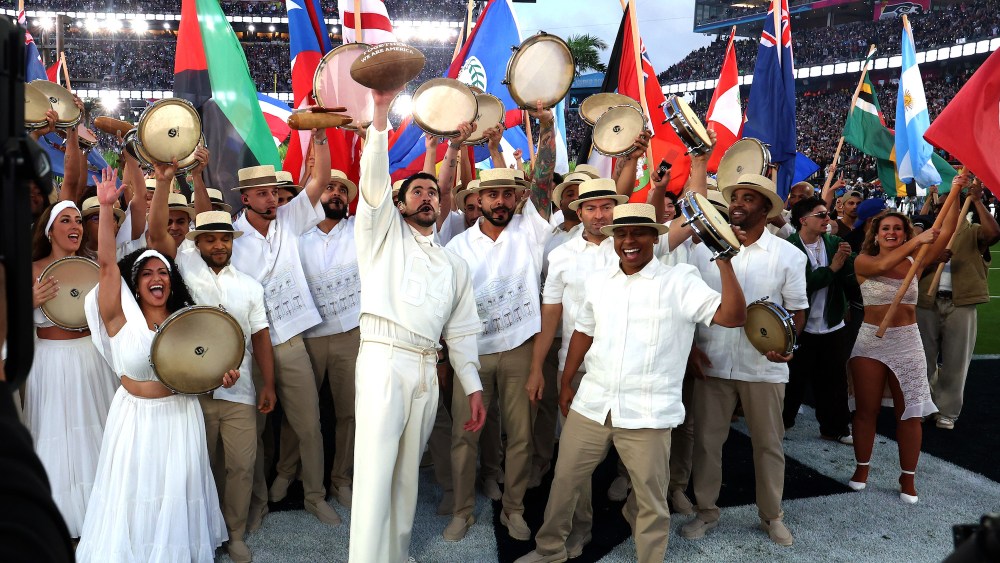
Latinos Are Shaping US Culture and Fashion Brands Can’t Afford to Look Away
Latinos now make up 19% of the total US population, with buying power projected to reach $2.8 trillion by 2025. Yet for years, many major fashion brands have treated this demographic as a niche audience rather than a core driver of cultural and shopping trends. That mindset is no longer sustainable.
From music and film to food and art, Latinos are already reshaping every corner of American life. The fashion industry is next — and brands that fail to prioritize this audience risk losing relevance in an increasingly diverse market.
The Numbers Don’t Lie: Latino Buying Power Is Unignorable
Population Growth and Cultural Clout
Latinos are the fastest-growing demographic in the US, accounting for more than half of all population growth over the past decade. Their influence extends far beyond census data: 70% of non-Latino consumers report that Latino culture has positively impacted their fashion choices, from bold prints to relaxed streetwear silhouettes.
Fashion Spending Habits of Latino Consumers
Latino shoppers consistently outspend the average US consumer when it comes to apparel. Key data points include:
- Latino households spend 10% more on clothing and accessories per year than the national average.
- 72% of Latino millennials say they are more likely to buy from brands that feature Latino models and culturally relevant designs.
- 60% of Latino Gen Z consumers prioritize size inclusivity and affordable price points tailored to working-class families.
- 85% of Latino consumers say they will switch brands if they feel a company is culturally insensitive or ignores their community.
How Latinos Are Already Shaping US Fashion Trends
You don’t have to look far to see Latino influence on mainstream fashion. From high-end runways to fast-fashion shelves, Latinx creators and cultural touchstones are driving what Americans wear.
Latinx Designers Breaking Into the Mainstream
Designers like Willy Chavarria, whose work blends Chicano street culture with high-fashion tailoring, have gained major retail partnerships with brands like H&M and Nordstrom. Similarly, legacy brands such as Diane von Furstenberg have launched successful collaborations with Latino artists, tapping into the community’s love for vibrant, story-driven designs.
Social Media Amplifies Latino Fashion Voices
Latino creators make up 28% of top fashion influencers on TikTok and Instagram, with followings that often outpace traditional celebrity endorsements. Influencers like LeJuan James and Coco & Breezy regularly drive sold-out product drops for major brands, proving that Latino audiences have massive purchasing power and cultural sway.
Why Fashion Brands Keep Missing the Mark
Despite the clear data, many fashion brands still struggle to connect with Latino consumers. The most common missteps include:
Tokenism Over Authentic Engagement
Far too many brands launch one-off Hispanic Heritage Month campaigns with no year-round strategy. These surface-level efforts often feel performative, and Latino consumers notice: 68% say they can tell when a brand is being genuine vs. using their culture for a quick sales boost.
Lack of Latino Representation in Leadership
Only 4% of executive roles at top US fashion brands are held by Latino professionals, according to a 2024 industry report. Without Latino voices in decision-making rooms, brands struggle to understand the community’s needs, from preferred sizing to culturally appropriate marketing language.
Actionable Steps for Fashion Brands to Build Trust
Brands that want to tap into the Latino market don’t need to overhaul their entire business model overnight. Small, consistent changes can make a big difference:
- Hire Latino talent at every level, from design and merchandising to marketing and executive leadership.
- Shift from heritage month-only campaigns to year-round content that reflects Latino culture authentically.
- Partner with small Latino-owned businesses and emerging creators, not just established big-name influencers.
- Offer size-inclusive options and price points that align with the community’s diverse economic needs.
- Create feedback channels specifically for Latino consumers, and act on their input instead of making assumptions.
The Cost of Ignoring Latino Consumers
Brands that continue to overlook this audience are already feeling the impact. Nike, for example, saw a 15% sales boost in its Latino-targeted sneaker lines in 2023, while brands that relied on generic marketing saw flat growth in the same demographic. Target’s ongoing partnerships with Latino designers have also driven consistent foot traffic from Latino shoppers, who report feeling seen and valued by the retailer.
On the flip side, brands that face cultural backlash from Latino communities often see long-term reputational damage and lost sales. In 2022, a major fast-fashion brand faced a boycott after releasing a collection that appropriated traditional Mexican embroidery without crediting or compensating Latino artisans.
Final Takeaway
Latinos are not a "niche" market — they are a core part of the US cultural and economic landscape. Fashion brands that embrace this reality, invest in authentic relationships with Latino communities, and center their needs in business decisions will thrive in the coming years. Those that look away? They’ll be left behind as the industry evolves to reflect the true face of America.

Comments are closed, but trackbacks and pingbacks are open.