

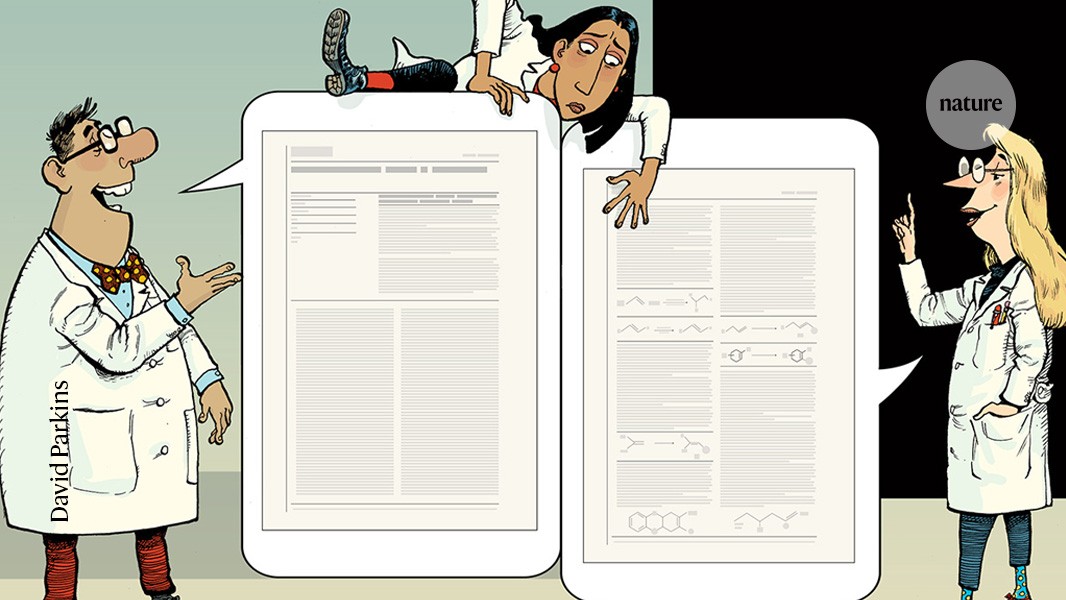
Why English Skills Matter in Academic Publishing
In today’s global research landscape, publishing in English-language journals is often essential for career advancement. Poor English skills can obscure groundbreaking research and limit your work’s impact. The good news? Language proficiency can be developed with targeted effort.
Common English Challenges in Academic Writing
Non-native researchers often struggle with:
- Grammar inconsistencies – Subject-verb agreement, article usage, and tense consistency
- Wordiness – Using too many words when fewer would be clearer
- Passive voice overuse – Making writing seem vague or less authoritative
- Vocabulary limitations – Mixing informal and formal language inappropriately
- Sentence structure issues – Long, convoluted sentences that confuse readers
Practical Strategies to Boost Your Academic English
1. Read Extensively in Your Field
Spend 30 minutes daily reading published papers in top journals. Highlight sentences with clear structures and note how authors transition between ideas. Pay attention to how they present methodology and results.
2. Build Specialized Vocabulary
Create flashcards with discipline-specific terms. Include both technical vocabulary and academic phrases like "furthermore," "consequently," and "in contrast." Use spaced repetition apps like Anki for efficient memorization.
3. Practice Writing Daily
Write 200-300 words about your research each day. Focus on one aspect: methods one day, results the next. Join online communities where you can share drafts and receive feedback from native speakers.
4. Master the Basics
Use tools like Grammarly or ProWritingAid to catch common errors. Study English grammar through websites like Purdue OWL or Khan Academy. Understanding basic rules prevents embarrassing mistakes.
Advanced Techniques for Academic Writing
Get Professional Feedback
Consider hiring an academic editing service or finding a writing buddy. Many universities offer English language support specifically for researchers. Fresh eyes can identify patterns you’ve missed.
Study Published Papers Systematically
Choose one well-written paper per week. Analyze its structure: how the abstract summarizes the study, how literature is cited, and how conclusions connect to evidence. Mimicking successful formats builds good habits.
Use Templates and Frameworks
Start with paper templates that guide your writing. Many journals provide submission checklists that double as writing guides. Following established frameworks reduces decision fatigue and improves focus.
Building Long-term Improvement Habits
Consistent daily practice yields better results than intensive weekend sessions. Set realistic goals like reading one paper daily or writing 200 words. Track your progress by saving old drafts and comparing them quarterly.
Remember that even native English speakers revise extensively. Your first draft doesn’t need to be perfect. Focus on getting ideas down, then refine language during revision stages.
Take Action Today
Download a grammar app, subscribe to 5 key journals in your field, and commit to 15 minutes of focused English practice daily. Your research deserves to be understood clearly. With consistent effort, strong academic English skills will become your competitive advantage in publishing success.

Comments are closed, but trackbacks and pingbacks are open.