

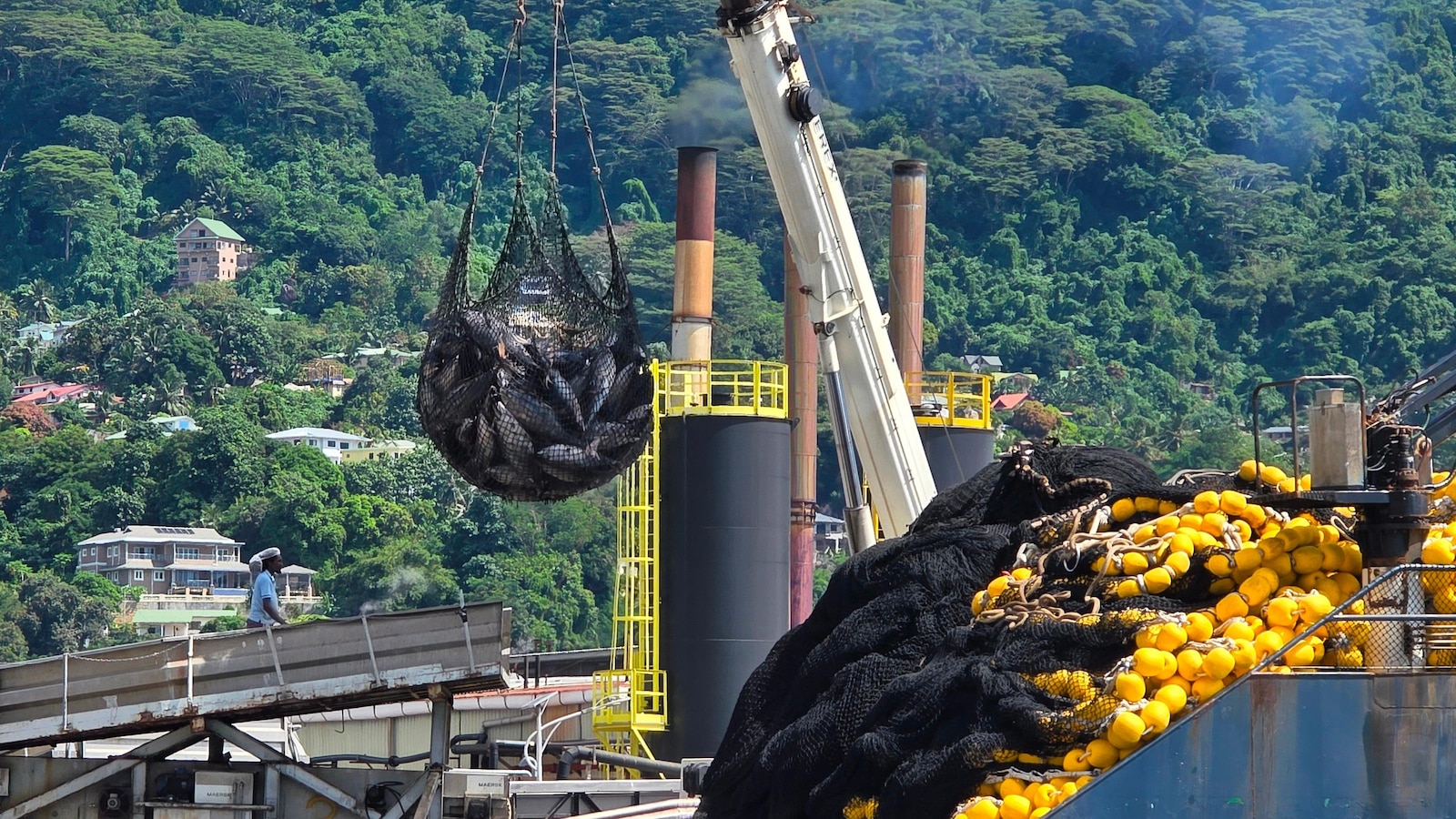
The European fishing industry is increasingly turning to a controversial practice to access lucrative tuna stocks in the Indian Ocean, according to a new investigation. Multiple reports have revealed that several European fishing companies are reflagging their vessels to other nations in order to bypass quota restrictions and tap into the Indian Ocean’s abundant tuna populations.
What is Reflagging?
Reflagging occurs when a fishing company transfers its vessel’s registration from one country to another. This practice allows companies to operate under different regulatory frameworks, often in waters where their home nation’s quotas have been exhausted or are subject to stricter environmental controls.
By registering ships under flags of nations with more generous tuna quota allocations, European fishing firms can significantly increase their catch limits without violating any formal agreements. The practice has drawn criticism from environmental advocates who warn it undermines conservation efforts and creates a loophole in international fishing regulations.
The Indian Ocean Tuna Crisis
The Indian Ocean is one of the world’s most productive tuna fishing regions, with species including skipjack, yellowfin, and bigeye tuna supporting major commercial fisheries. However, scientists have expressed growing concerns about overfishing in these waters.
Recent assessments have shown that several tuna species in the Indian Ocean are facing population declines. The International Seafood Sustainability Foundation has warned that without stricter management measures, certain tuna stocks could face collapse within the next decade.
European Companies Under Scrutiny
The investigation has identified several major European fishing companies that have engaged in reflagging practices. These firms operate large industrial tuna purse seine vessels that can catch thousands of tons of fish per trip.
Key findings from the report include:
- At least 15 European-owned vessels have been reflagged to Indian Ocean coastal states in the past five years
- These ships now land catches worth an estimated €200 million annually
- Several reflagged vessels have been linked to companies based in Spain, France, and Italy
- Some ships have changed flags multiple times, raising questions about transparency
Regulatory Loopholes and Concerns
The practice exploits gaps in international fishing governance. While regional fisheries management organizations (RFMOs) oversee tuna stocks in the Indian Ocean, their regulations primarily apply to flag states rather than vessel ownership. This means companies can effectively circumvent quotas by simply changing their ship’s registration.
Environmental organizations have called for stronger regulations to close these loopholes. They argue that ultimate beneficial ownership of vessels should determine which quota rules apply, not merely the flag under which a ship sails.
Impact on Local Fisheries
The influx of reflagged European vessels has raised concerns among coastal communities in the Indian Ocean region. Local fishers, particularly in countries like Seychelles, Mauritius, and Maldives, depend on tuna stocks for their livelihoods and food security.
Increased competition from industrial fleets threatens both traditional fishing communities and the sustainability of marine ecosystems. Small-scale fishers often lack the resources to compete with large industrial operations, leading to economic displacement and social disruption in coastal regions.
Industry Defense
Fishing industry representatives defend reflagging as a legitimate business practice. They argue that companies are simply operating within the legal frameworks established by regional fisheries bodies.
Industry groups also point out that European fishing companies often invest in local infrastructure and create employment opportunities in the countries where they reflag their vessels. They maintain that their operations support economic development in coastal nations and adhere to sustainable fishing practices.
Calls for Reform
The investigation has prompted renewed calls for reform of international fishing regulations. Conservation groups are urging policymakers to:
- Implement stricter transparency requirements for vessel ownership
- Close loopholes that allow reflagging to circumvent quotas
- Strengthen enforcement mechanisms for regional fisheries organizations
- Require fishing companies to disclose beneficial ownership information
- Develop more robust stock assessment protocols for Indian Ocean tuna
What Happens Next
As pressure mounts on governments and international bodies to address reflagging practices, the fishing industry faces increasing scrutiny. Several European Union member states have announced plans to review their fishing license allocation processes.
The Indian Ocean Tuna Commission, which manages tuna fisheries in the region, is expected to discuss potential regulatory amendments at its upcoming annual meeting. Conservation groups are urging member states to take decisive action to protect vulnerable tuna populations.
The fate of the Indian Ocean’s tuna stocks may depend on whether regulators can effectively address the reflagging loophole before irreversible damage is done to marine ecosystems.

Comments are closed, but trackbacks and pingbacks are open.