

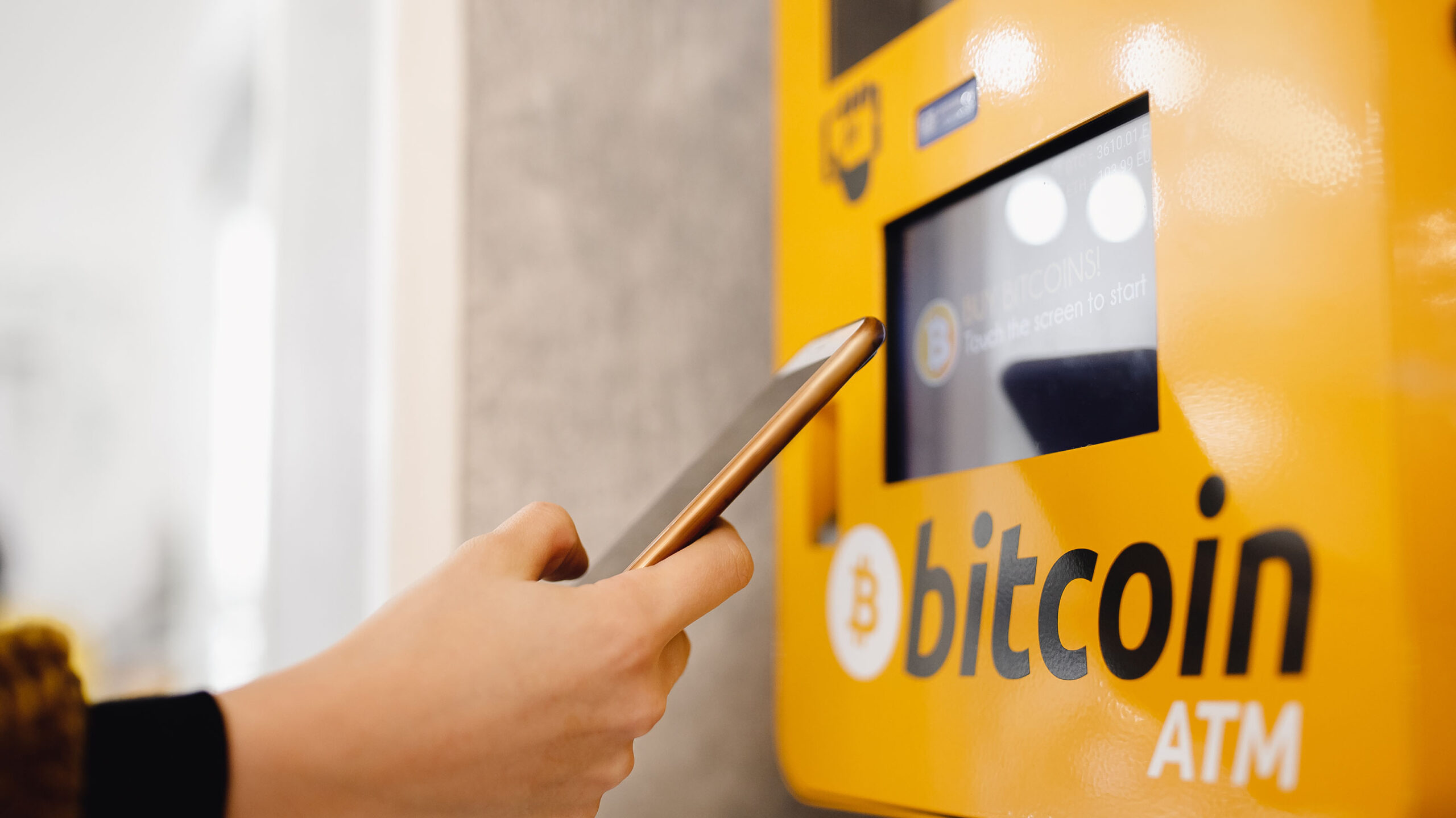
If you’ve used a Bitcoin ATM in Canada recently, your go-to cash-to-crypto option may soon disappear. The Canadian government has announced plans to implement a full nationwide Canadian crypto ATM ban, marking one of the strictest regulatory moves against the industry in the country’s history.
The proposal, first outlined in a June 2024 federal budget update, has sparked debate among crypto users, regulators, and industry stakeholders. Below, we break down everything you need to know about the planned ban, why it’s happening, and how it will impact you.
Why Is Canada Pushing for a Crypto ATM Ban?
Canadian regulators have raised concerns about crypto ATMs for years, but fraud and money laundering risks have accelerated the push for a full Canadian crypto ATM ban. According to the Canadian Anti-Fraud Centre, crypto-related fraud losses hit a record $450 million in 2023, with roughly 30% of cases tied to unregulated crypto ATMs.
Key issues cited by the government include:
- Lack of consistent know-your-customer (KYC) and anti-money laundering (AML) checks at many crypto ATMs, allowing anonymous cash-to-crypto transactions
- Scammers frequently directing victims to deposit cash into crypto ATMs to send untraceable, irreversible payments
- Limited oversight of ATM operators, many of which are small, unregistered businesses with no obligation to report suspicious transactions
“These machines have become a tool of choice for bad actors looking to move illicit funds quickly,” said a spokesperson for the Department of Finance Canada. “A nationwide Canadian crypto ATM ban will eliminate this loophole and protect vulnerable Canadians from fraud.”
Who Will the Crypto ATM Ban Affect?
The ban will impact a wide range of groups, though not all equally. Here’s a breakdown of the most affected parties:
Everyday Crypto Users
Canadians who regularly use crypto ATMs to convert cash to Bitcoin, Ethereum, or other tokens will need to switch to alternative methods. While most urban users have access to regulated online crypto exchanges, rural residents and unbanked Canadians who rely on ATMs for crypto access will face the biggest disruption.
ATM Operators and Small Crypto Businesses
Canada has over 2,500 crypto ATMs as of 2024, operated by both large firms and small local businesses. The ban will force these operators to shutter their machines or pivot to other services, with small operators likely hit hardest by the sudden regulatory shift.
Scammers and Fraudsters
While not a group anyone wants to protect, scammers who rely on crypto ATMs to collect illicit funds will lose a key tool. Regulators hope the ban will reduce crypto-related fraud losses by up to 25% within the first year of implementation.
What’s the Timeline for the Canadian Crypto ATM Ban?
The Canadian crypto ATM ban is part of a broader update to the Proceeds of Crime (Money Laundering) and Terrorist Financing Act, which governs financial regulation in the country. Here’s the current projected timeline:
- Public Consultation Period: Open until September 30, 2024, for stakeholders to submit feedback on the proposed ban
- Legislation Introduction: Expected in late 2024, with a vote in Parliament by early 2025
- Full Implementation: Assuming the bill passes, all crypto ATMs must be decommissioned within 6 months of royal assent (projected mid-2025)
The update will also include stricter licensing requirements for all crypto exchanges operating in Canada, mandatory KYC checks for all crypto transactions over $1,000 CAD, and increased funding for FINTRAC, the country’s financial intelligence unit, to monitor crypto activity.
How to Prepare for the Crypto ATM Ban
If you currently use crypto ATMs in Canada, here are actionable steps to take before the ban takes effect:
- Switch to FINTRAC-registered crypto exchanges like Coinbase Canada, Kraken, or Shakepay for cash-to-crypto transactions (these platforms are required to follow strict AML and KYC rules)
- Verify any crypto platform you use is registered with FINTRAC to avoid unregulated operators that may shut down unexpectedly
- Be cautious of unsolicited messages asking you to send crypto via ATM – scammers may try to exploit confusion around the Canadian crypto ATM ban to pressure victims into sending funds before machines are removed
- Consider using peer-to-peer (P2P) platforms with escrow protection if you need to transact with other individual crypto users
Final Thoughts on Canada’s Crypto ATM Ban
The planned Canadian crypto ATM ban represents a major shift in how the country regulates the crypto industry, prioritizing consumer protection and financial security over convenient cash-to-crypto access. While the move will disrupt some users and small businesses, regulators argue it’s a necessary step to curb fraud and money laundering.
For most Canadian crypto users, the transition to regulated online exchanges will be seamless. Staying up to date on regulatory changes and only using FINTRAC-registered platforms will help you avoid issues as the ban rolls out. Have questions about the proposed ban? Let us know in the comments below.

Comments are closed, but trackbacks and pingbacks are open.