

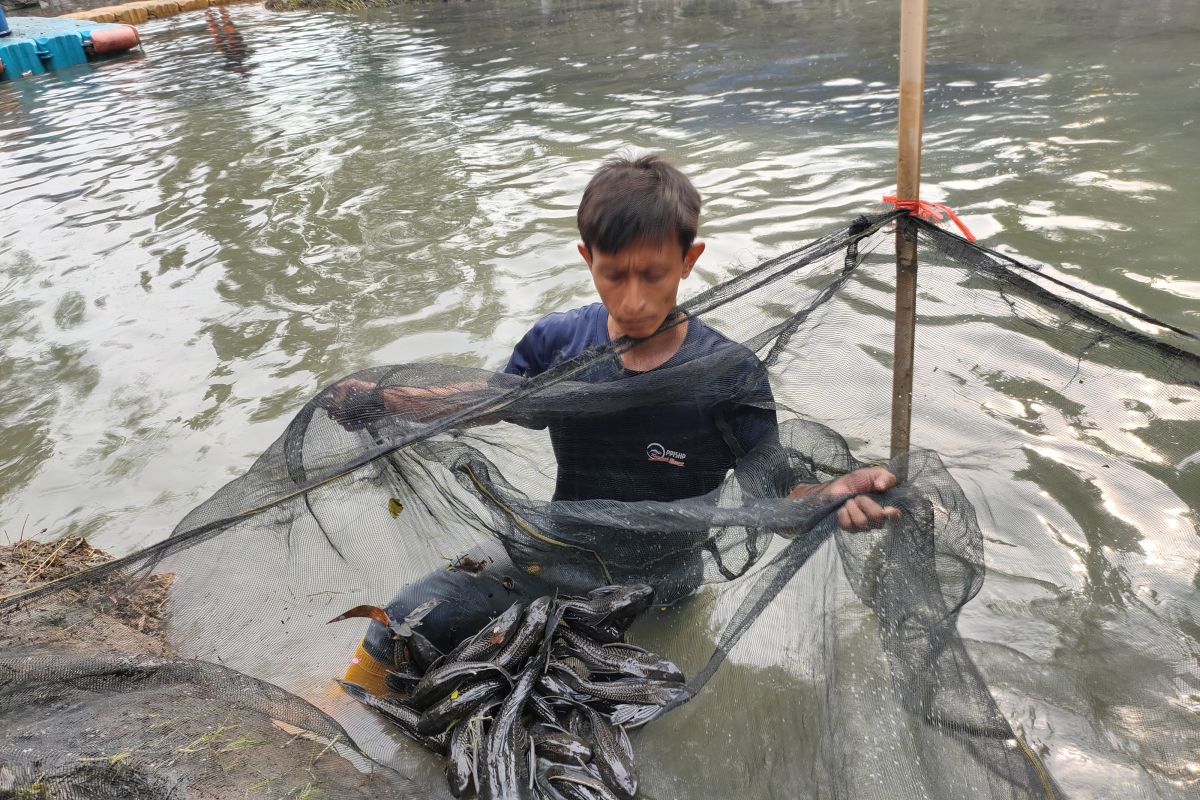
If you’ve ever spotted a flat, armor-plated fish clinging to riverbanks or aquarium glass across Indonesia, you’ve likely encountered the suckermouth catfish. Originally native to South America, this invasive species has spread rapidly through the country’s freshwater ecosystems, outcompeting native fish and damaging critical infrastructure. Now, Indonesia’s National Research and Innovation Agency (BRIN) has unveiled a suite of targeted, evidence-based strategies to curb its spread – backed by years of field research and community input.
What Makes Suckermouth Catfish a Threat?
Also known as plecos in the aquarium trade, suckermouth catfish (Hypostomus plecostomus) were first introduced to Indonesia as algae-eating tank cleaners. But when released into the wild, they thrive in local waterways with no natural predators.
They reproduce quickly, with females laying up to 2,000 eggs per spawning cycle. Adults can grow up to 50cm long, and their abrasive suckermouths disrupt the spawning grounds of native fish including tilapia and local catfish species.
Beyond ecological harm, the fish burrow into soft riverbanks, causing erosion that damages dams, irrigation systems, and riverside farms. They also clog water intake pipes and tear fishing nets, costing local communities millions of rupiah in losses each year.
BRIN’s 3-Pronged Strategy to Curb Suckermouth Catfish Spread
BRIN’s new framework focuses on prevention, early detection, and community-led control to stop the invasive suckermouth catfish from establishing new populations.
1. Enhanced Monitoring and Early Detection
BRIN is rolling out environmental DNA (eDNA) testing across high-risk waterways, including major rivers and popular aquarium trade hubs. This technology can detect trace genetic material from the fish even when populations are too small to spot visually, allowing for rapid intervention before they spread.
The agency is also training local fisherfolk and community volunteers to identify and report suckermouth catfish sightings through a new national digital reporting platform, with real-time data shared across regional fisheries offices.
2. Targeted Population Control
BRIN is partnering with local fishing communities to launch incentivized catch programs, where fishermen are paid premium rates for invasive suckermouth catfish. The caught fish are being studied for potential use in animal feed or organic fertilizer to create a circular economy around control efforts.
Researchers are also testing safe, species-specific population control methods, including sterile male release programs, to avoid harming native freshwater species.
3. Public Education and Stricter Regulation
A key part of BRIN’s strategy is reducing accidental releases from aquarium owners, which account for 70% of new invasive suckermouth catfish populations. The agency is pushing for stricter rules on the ornamental fish trade, including mandatory labeling of invasive species and bans on releasing any aquarium fish into the wild.
Public awareness campaigns are rolling out in schools, pet stores, and fishing communities to educate people on the harms of releasing non-native species, and how to identify invasive suckermouth catfish.
Why Coordinated Action Matters
BRIN estimates that without immediate intervention, invasive suckermouth catfish could occupy 60% of Indonesia’s freshwater habitats by 2030, pushing several native fish species to the brink of extinction. Small-scale fisherfolk, who rely on native fish for their livelihoods, are already reporting 30% lower catches in areas with high suckermouth catfish populations.
"This is not just an environmental issue, but an economic one for millions of Indonesians," said a BRIN lead researcher on the project. "Our strategies are designed to be scalable, low-cost, and community-driven to ensure long-term success."
How You Can Help Curb the Spread
Individual action plays a critical role in supporting BRIN’s efforts. Here’s how you can contribute:
- Never release aquarium fish into the wild, even if they seem harmless.
- Report sightings of suckermouth catfish to your local fisheries office or via BRIN’s digital reporting platform.
- Choose native Indonesian fish species for home aquariums instead of non-native imports.
- Support local fishing initiatives that target invasive species to reduce their populations.
Conclusion
BRIN’s newly unveiled strategies represent a major step forward in protecting Indonesia’s fragile freshwater ecosystems from invasive suckermouth catfish. But the plan’s success depends on collaboration between researchers, communities, and policymakers. By taking small, proactive steps, every Indonesian can help curb the spread of this destructive invasive species and preserve local biodiversity for future generations.

Comments are closed, but trackbacks and pingbacks are open.