

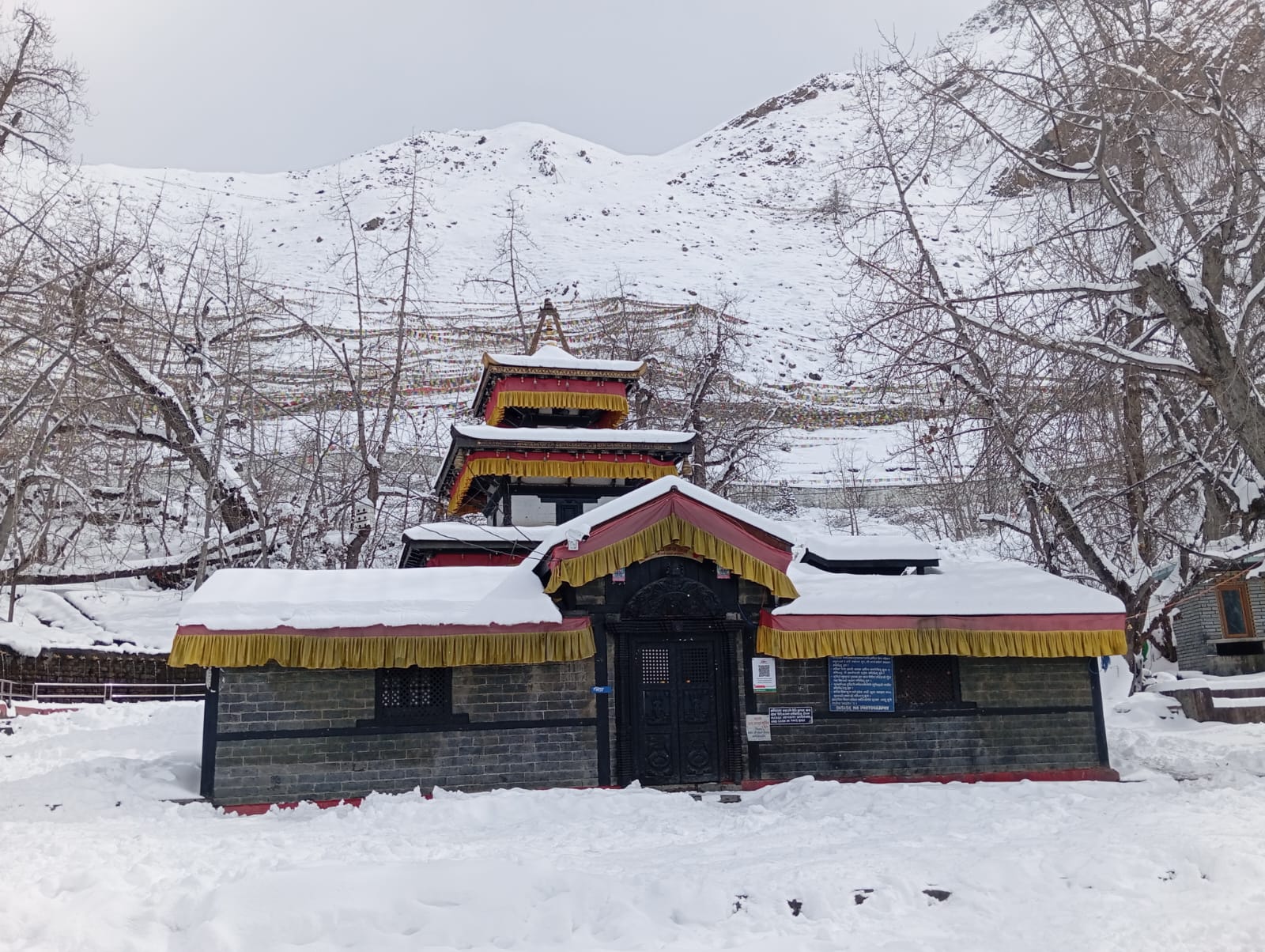
Unseasonal Snowfall Hits Mustang: A Double Blow to Pilgrims and Farmers
The high Himalayas of Nepal are no strangers to sudden weather changes, but the recent unseasonal snowfall in Mustang Province has taken a toll on both religious tourism and agriculture. The snow, which fell in late March, caught pilgrims on the sacred Muktinath Yatra off guard and has already damaged early‑season crops across the valley.
Why the Snow Fell Out of Season
Climatologists point to a confluence of factors:
- Lake‑effect patterns from the melting glacial lakes in the Annapurna range.
- Jet‑stream shifts that pushed cold air southward earlier than usual.
- Increasing climate variability linked to global warming, which is making weather extremes more common.
These conditions created a brief but intense cold front that dropped up to 30 cm of snow at elevations between 2,200 m and 3,600 m, the heart of the Muktinath pilgrimage route.
Impact on the Muktinath Yatra
Every year, thousands of Hindu and Buddhist devotees trek to the sacred Muktinath temple, seeking blessings for prosperity and spiritual cleansing. The sudden snowfall caused:
- Road closures on the Kagbeni‑Muktinath access road, leaving many pilgrims stranded.
- Delayed rituals as the temple’s holy courtyard remained inaccessible for three days.
- Increased risk of hypothermia and altitude‑related illnesses, prompting local health posts to set up emergency shelters.
Local guide associations have responded by providing heated tents, hot tea, and portable oxygen kits, but the disruption has already resulted in a 40% drop in tourist revenue for the week.
Consequences for Mustang’s Agriculture
Mustang’s terraces rely on a short growing window from April to August. The early snow affected:
- Barley and millet—the main staple crops—by covering seedlings, leading to a projected 15% yield loss.
- High‑altitude vegetable plots, especially potatoes, which are sensitive to frost.
- Livestock feed supplies, as the snow destroyed stored hay in exposed barns.
Farmers are now scrambling to re‑plant with a narrower window, fearing that a late‑season frost could further jeopardize the harvest.
Local and Government Responses
Both the Mustang District Office and the Ministry of Agriculture are coordinating relief measures:
- Emergency funds for crop insurance payouts to affected families.
- Distribution of salted seeds that can tolerate lower temperatures.
- Construction of temporary windbreaks on vulnerable terraces.
The tourism board is promoting alternate routes and offering discounts for future trips to encourage a rebound in pilgrim numbers.
What Visitors Can Do
If you plan to join the Muktinath Yatra this season, consider these practical tips:
- Check the latest weather bulletins before departure.
- Carry thermal clothing, waterproof boots, and a personal first‑aid kit.
- Register your itinerary with local guide offices so rescue teams can locate you quickly.
- Support local businesses by purchasing hand‑crafted warm clothing and donating to community snow‑clearance projects.
Looking Ahead: Climate Resilience in the Himalayas
The unseasonal snowfall is a reminder that Mustang’s fragile ecosystems are increasingly vulnerable to climate shocks. Experts recommend:
- Investing in climate‑smart agriculture—such as drought‑resistant quinoa varieties—that can adapt to unpredictable weather.
- Developing early‑warning systems for both tourists and farmers.
- Enhancing community‑based disaster preparedness through training and resource allocation.
By strengthening these foundations, Mustang can protect its cultural heritage and sustain the livelihoods of the people who call this highland home.
Conclusion
The unexpected snowfall in Mustang has simultaneously disrupted the sacred Muktinath Yatra and threatened the region’s agricultural calendar. While short‑term relief is already underway, the event underscores the need for long‑term climate resilience strategies. Pilgrims, farmers, and policymakers must work together to ensure that the ancient trails and terraced fields of Mustang continue to thrive, even as the climate grows more unpredictable.

Comments are closed, but trackbacks and pingbacks are open.