

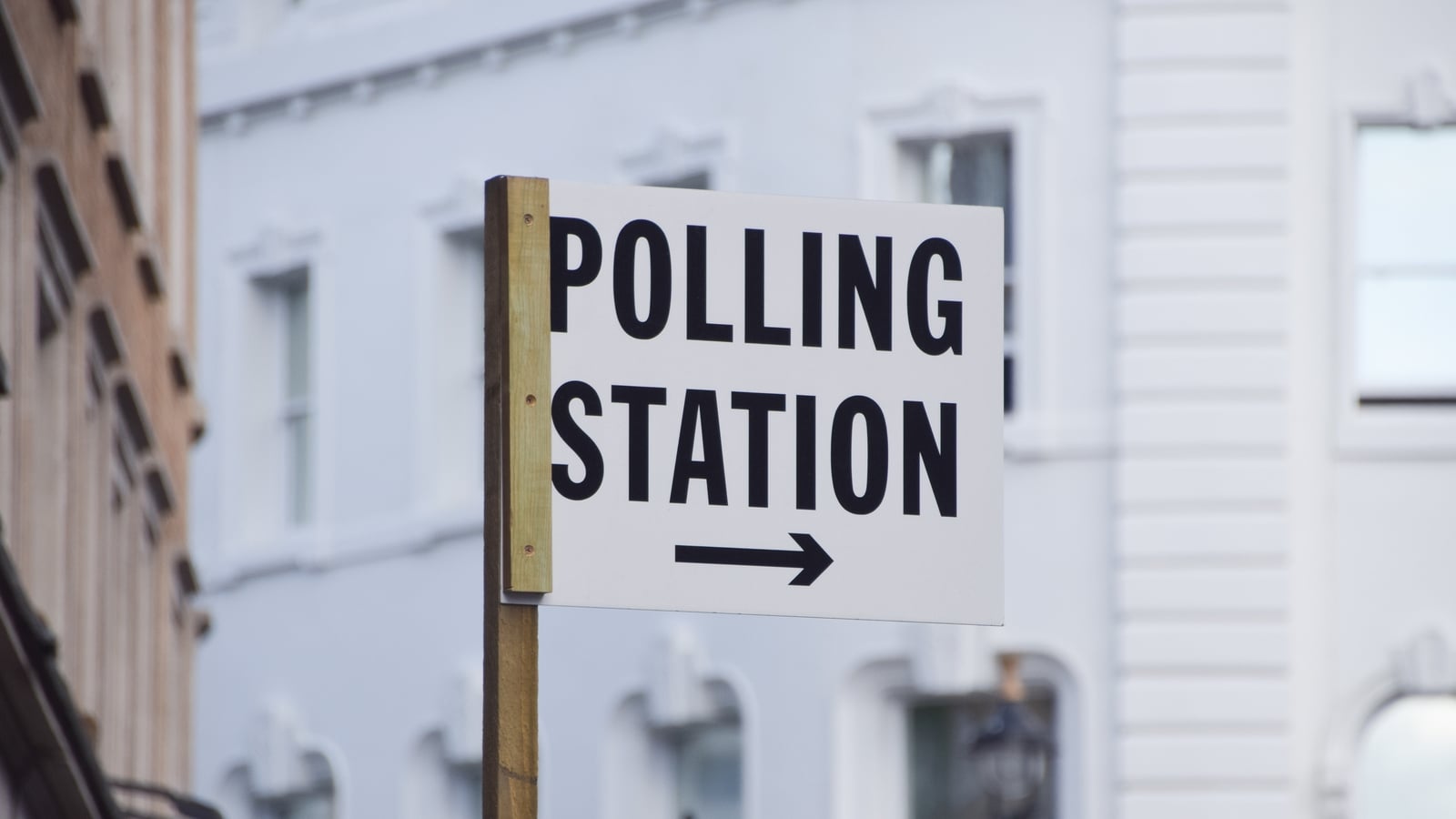
Prime Minister Keir Starmer is set to face a significant political test as millions of voters across England prepare to cast their ballots in crucial local elections. The upcoming polls represent one of the first major electoral challenges for the Labour government since taking power, with results expected to provide a clear indication of public sentiment towards the new administration.
What Are the Local Elections?
Local elections are scheduled to take place across numerous councils in England, with voters heading to the polls to elect councillors who make decisions on local services including schools, housing, transport, and social care. These elections carry substantial political weight, often serving as a barometer for national political mood.
Millions of eligible voters will have the opportunity to influence their local communities while simultaneously sending a message to Westminster. The timing of these elections makes them particularly significant for Starmer’s government, coming after several months in office marked by challenging economic conditions and difficult policy decisions.
Key Battlegrounds to Watch
Several areas are expected to prove particularly competitive in these local elections:
- Metropolitan boroughs – Urban areas traditionally Labour heartlands where the party will be defending seats
- Conservative-run councils – Target areas where Labour hopes to make gains
- Liberal Democrat strongholds – Middle-ground constituencies that could shift
- Newly created council seats – Electoral divisions that have been recently reformed
What Starmer Needs to Achieve
For Starmer, these elections represent an opportunity to demonstrate that Labour can translate its 2024 general election victory into continued support at the local level. A strong performance would reinforce the government’s mandate and provide momentum for future policy initiatives.
Conversely, poor results could raise questions about the durability of Labour’s electoral coalition and potentially embolden opposition parties. Political analysts suggest that the Prime Minister will be judged on whether Labour maintains its position in traditional strongholds while making inroads into areas previously held by Conservatives.
Key Issues Driving Voter Decision
Voters are likely to consider several factors when marking their ballots:
- Economic performance – Cost of living concerns and household finances
- Public services – NHS waiting times, education standards, and local infrastructure
- Housing – Affordability and availability in local areas
- Immigration – Ongoing public concern over migration levels
- Trust in politics – Broader disillusionment with political institutions
Opposition Parties’ Strategies
The Conservative Party will be seeking to limit losses and prove that the party remains competitive ahead of the next general election. Senior Tory figures have emphasised local issues and criticised the government’s record on the economy.
The Liberal Democrats are targeting suburban seats and areas where they believe voters are dissatisfied with both major parties. Reform UK is also expected to contest seats, potentially attracting voters frustrated with traditional party politics.
When Will Results Be Announced?
Votes will be counted on Friday evening and into Saturday morning, with results expected to begin emerging throughout the day on Saturday. By Saturday evening, a clear picture of the electoral landscape should emerge, though some counts may continue into Sunday.
Political commentators and party strategists will be closely analysing the results, looking at vote shares, seat changes, and turnout figures to draw conclusions about the national political mood.
What This Means for Starmer’s Government
The local elections will provide important feedback for Starmer and his team. Regardless of the outcome, the results will inform the government’s political strategy and policy priorities for the remainder of the parliamentary term.
A positive outcome would allow Starmer to argue that voters continue to support Labour’s direction. A more challenging result would likely prompt reflection on messaging and policy approaches, potentially leading to adjustments in the government’s strategy.
As millions prepare to vote, all eyes will be on the results as they come in, providing the most significant electoral test for Starmer since becoming Prime Minister.

Comments are closed, but trackbacks and pingbacks are open.