

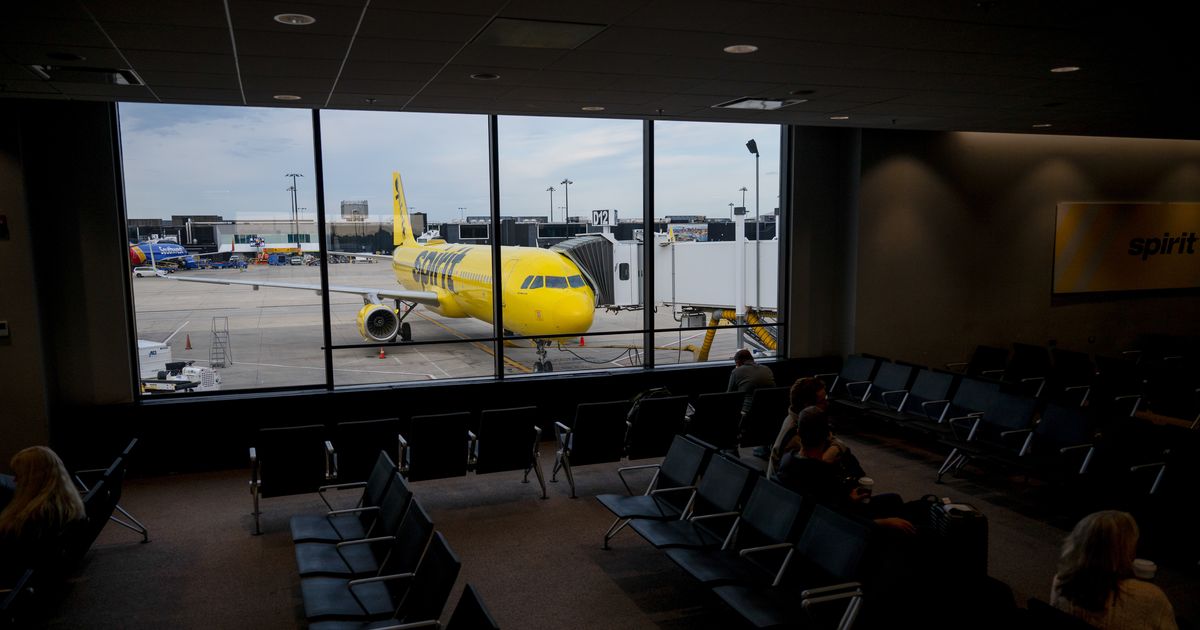
Growing up in a neighborhood where a single paycheck meant food on the table, I never imagined an airline could be my salvation. Spirit Airlines became more than just a means of travel—it was the lifeline that pulled me from the brink of poverty and set me on a path toward financial independence.
Why Spirit Airlines?
When I was 19, the local job market offered few opportunities. Most positions were low‑wage, part‑time jobs with erratic schedules that clashed with school. I needed something that paid weekly, offered flexible hours, and—most importantly—provided a stepping stone out of my circumstances.
- Weekly paychecks: Unlike many retail jobs, Spirit paid every Friday, giving me immediate cash flow for rent and groceries.
- Flexible scheduling: Shifts could be swapped easily, allowing me to attend night classes.
- Career ladder: Starting as a baggage handler, I quickly learned ground‑operations, then moved into customer service and eventually a supervisory role.
First Steps: From Baggage Handler to Boarding Agent
My first day on the tarmac was a crash course in teamwork, safety protocols, and the fast‑paced rhythm of airline logistics. The lessons I learned were surprisingly transferable:
- Time management: Coordinating luggage loading taught me how to prioritize tasks under pressure.
- Problem solving: A misplaced bag could cost a flight; I learned to think quickly and find solutions.
- Communication: Clear, concise language with pilots and ground crew became second nature.
These skills earned me a promotion to boarding agent within six months, a role that added a customer‑facing element and boosted my confidence.
Financial Turnaround
With a steady income, I could finally tackle the debts that had haunted my family for years. Here’s how the earnings from Spirit changed my financial landscape:
- Debt repayment: Paid off my high‑interest credit card within a year.
- Emergency fund: Built a $1,200 safety net, which covered unexpected car repairs.
- Education: Enrolled in community college courses, using employer tuition assistance.
The stability allowed me to stop relying on food banks and gave me the dignity of paying my own rent.
Beyond the Paycheck: Personal Growth and Community Impact
Spirit Airlines didn’t just provide money; it offered a community of mentors who believed in upward mobility. Senior staff encouraged me to take leadership courses, and I eventually led a small team of new hires, teaching them the same skills that saved me.
Giving back became a priority. I started a weekend program at a local youth center, sharing resume‑writing tips and interview practice—tools that had changed my life.
Key Takeaways for Anyone Stuck in Poverty
If you find yourself in a similar situation, consider these actionable steps:
- Identify stable, entry‑level roles: Look for industries with weekly pay and clear advancement paths—airlines, warehouses, or logistics.
- Leverage employee benefits: Tuition assistance, health insurance, and training programs can accelerate your growth.
- Network internally: Build relationships with supervisors who can advocate for your promotions.
- Reinvest earnings wisely: Prioritize debt repayment, emergency savings, and education.
Conclusion
Spirit Airlines was more than a job; it was the bridge from poverty to possibility. By seizing the opportunity, mastering the skills, and giving back, I transformed my life and continue to inspire others to see low‑cost carriers as gateways to economic stability.

Comments are closed, but trackbacks and pingbacks are open.