

Introduction: Why a Children’s Book Holds Business Secrets
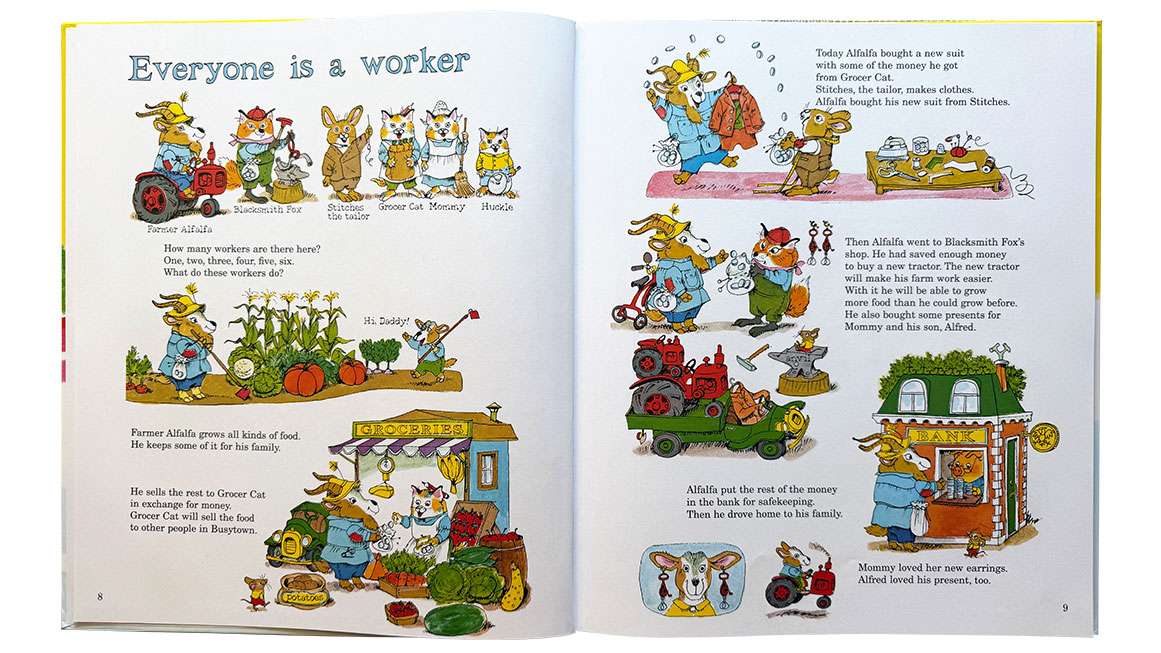
When you think of capitalistic success, bustling stock exchanges and high‑tech startups probably come to mind—not a whimsical picture book filled with anthropomorphic animals. Yet Richard Scarry’s Busytown is a masterclass in happy capitalism, showing how a thriving community can flourish when entrepreneurship, trade, and cooperation intersect. This article unpacks the hidden business lessons in Busytown and explains how beginners to intermediate entrepreneurs can apply them today.
Busytown’s Economic Ecosystem
1. A Diverse Marketplace
- Specialized vendors: From Mr. Fixit’s repair shop to Miss Herri‑Hatch’s bakery, each character offers a unique product or service, illustrating the power of niche markets.
- Customer choice: Residents freely wander the streets, comparing prices and quality—an early illustration of consumer sovereignty.
2. Efficient Supply Chains
Scarry subtly shows logistics in action: the Milk Truck delivers fresh dairy, the Truck & Train shuttles goods across town, and the postal service guarantees timely communication. Modern entrepreneurs can mirror this by optimizing inventory flow and using reliable delivery partners.
3. Community‑Driven Marketing
Word‑of‑mouth spreads faster than any billboard in Busytown. Characters share recommendations at the park, reinforcing the importance of genuine reviews and social proof in today’s digital age.
Key Capitalist Principles Hidden in the Illustrations
Profit with Purpose
Every Busytown business solves a problem—repairing a broken bike, feeding hungry kids, or fixing a leaky pipe. When profit aligns with a clear purpose, customers stay loyal, and the community benefits.
Competition Fuels Innovation
When two ice‑cream carts appear on the same corner, they experiment with new flavors to attract shoppers. Healthy competition drives product improvement and price fairness.
Inclusive Growth
Even the smallest characters—like Lowly Worm—find a role, showing that a thriving economy must offer opportunities for all skill levels and backgrounds.
Applying Busytown Lessons to Your Startup
- Identify a niche need: Look for everyday problems, just as Scarry’s characters do, and build a solution that stands out.
- Map your supply chain: Visualize every step from production to delivery; eliminate bottlenecks before they cost you.
- Leverage community advocacy: Encourage satisfied customers to share their experiences on social media, turning them into organic promoters.
- Iterate constantly: Use feedback—like the crowds in Busytown—to refine your offering and stay ahead of rivals.
- Promote inclusive hiring: Offer roles that match varied talents, fostering loyalty and diverse perspectives.
Conclusion: The Enduring Value of Happy Capitalism
Richard Scarry’s Busytown isn’t just a charming illustration book; it’s a timeless blueprint for sustainable, people‑first capitalism. By embracing niche specialization, reliable logistics, community trust, and inclusive growth, modern entrepreneurs can create thriving enterprises that feel as joyful as a stroll through Busytown’s bustling streets.

Comments are closed, but trackbacks and pingbacks are open.