

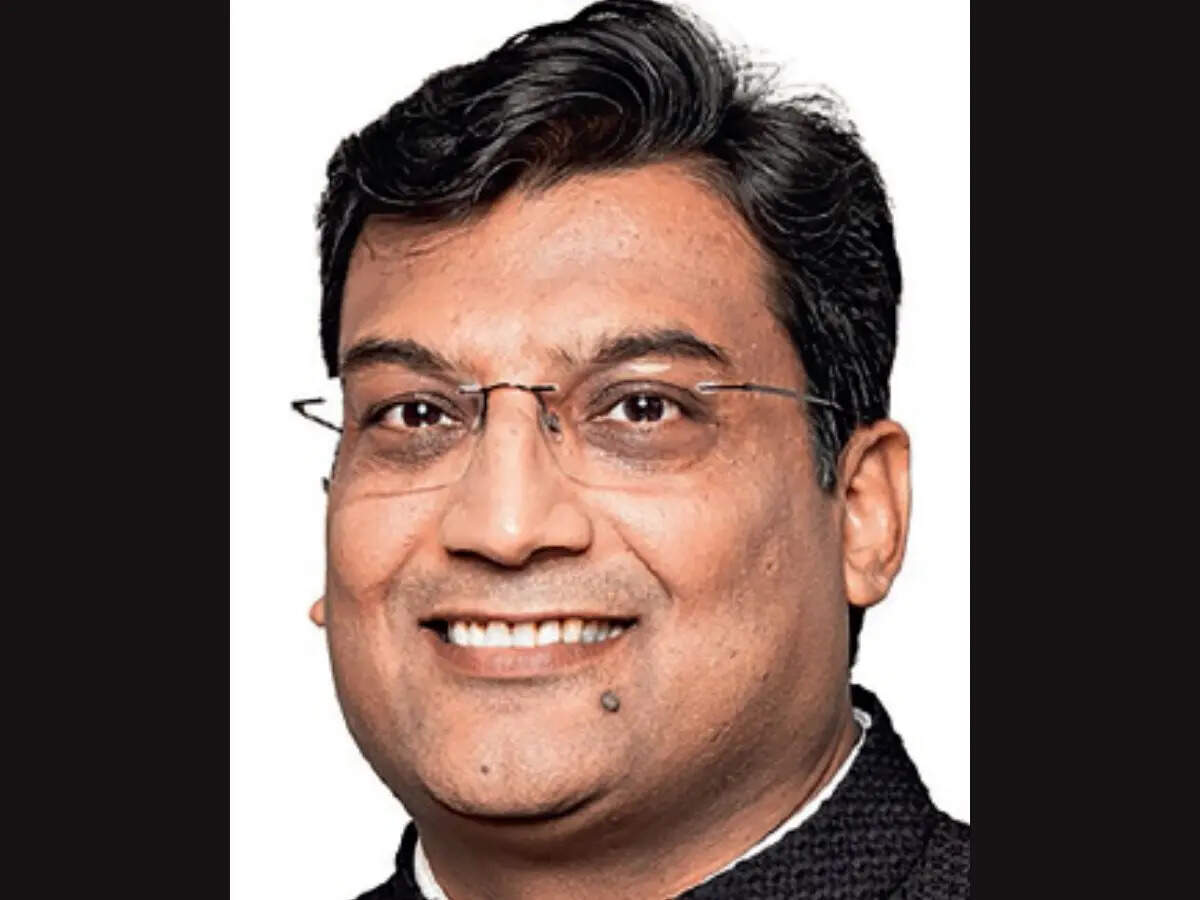
Navneet Munot: Disciplined Investing Delivers Good Results
If you’ve ever wondered why some investors consistently grow their wealth while others struggle to stay afloat during market volatility, HDFC Mutual Fund CEO Navneet Munot has a straightforward answer: disciplined investing.
In a recent public interaction, Munot stated, “Disciplined investing delivered good results for us,” a remark that encapsulates the core philosophy driving one of India’s largest asset management companies. With over ₹5 lakh crore in assets under management, HDFC MF’s track record offers a masterclass in why consistency beats short-term market timing.
Who is Navneet Munot, and Why Trust His Views?
Navneet Munot serves as the Managing Director and CEO of HDFC Asset Management Company, a role he has held since 2019. With over 25 years of experience in the financial sector, he has navigated multiple market cycles, from the 2008 global financial crisis to the 2020 COVID-19 crash. His insights are backed by HDFC MF’s performance: the fund house has consistently ranked among the top 3 mutual fund providers in India by assets under management for over a decade.
What is Disciplined Investing?
Disciplined investing is not a complex strategy reserved for Wall Street pros. It is a simple, repeatable approach to building wealth that any retail investor can adopt. At its core, it means sticking to a pre-defined investment plan, no matter what the market does in the short term.
Steering Clear of Emotional Biases
Most investors lose money not because they pick bad stocks, but because they let emotions drive decisions. Fear leads to panic selling during market dips, while greed pushes investors to chase overhyped assets during bull runs. Disciplined investors ignore these impulses, sticking to their plan regardless of market noise.
Consistency Over Market Timing
Trying to predict when the market will rise or fall is a losing game, even for professional fund managers. Disciplined investors focus on regular, consistent contributions to their portfolio instead. For most Indian retail investors, this means systematic investment plans (SIPs) in mutual funds, where a fixed amount is deducted from their bank account every month and invested in chosen funds.
How Disciplined Investing Delivered Results for HDFC MF
Munot’s claim that disciplined investing worked for HDFC MF is backed by hard data. The fund house has always prioritized long-term wealth creation over short-term fads, a stance that has paid off for both the company and its investors.
- Over 70% of HDFC MF’s equity fund assets are held by investors with a tenure of more than 5 years, a testament to the stickiness of disciplined investing.
- The flagship HDFC Top 100 Fund has delivered an annualized return of 14.2% since its launch in 1996, outperforming the benchmark BSE 100 index by 3.8% annually.
- During the 2020 market crash, HDFC MF saw only a 6% rise in redemption requests, far lower than the industry average of 12%, as most investors stayed committed to their long-term plans.
Key Disciplined Investing Tips from Navneet Munot
Munot regularly shares actionable tips for retail investors looking to adopt a disciplined approach. Here are his top recommendations:
- Start Early, Stay Invested Long-Term: The power of compounding works best when you give your investments time to grow. Even a ₹500 monthly SIP started at age 25 can grow into over ₹1 crore by age 60, assuming a 12% annual return. Delaying investment by even 5 years can cut this corpus by nearly half.
- Diversify, But Avoid Over-Diversification: Spread your investments across asset classes (equity, debt, gold) and fund categories, but do not hold 20+ funds with overlapping holdings. A focused portfolio of 5-7 well-researched funds is far more effective than a scattered one.
- Ignore Short-Term Market Noise: Daily price fluctuations, news cycles, and quarterly earnings volatility are irrelevant to long-term investors. Focus on the underlying fundamentals of the companies you invest in, not the daily ticker movement.
- Review, Don’t Tinker: Conduct an annual portfolio review to rebalance your asset allocation, but avoid making frequent changes based on market trends. Churning your portfolio too often eats into returns via taxes and transaction costs.
Why Disciplined Investing Works for Retail Investors
You do not need a massive lump sum or financial expertise to benefit from disciplined investing. Retail investors with modest incomes can build substantial wealth over time by following simple rules:
- SIPs as low as ₹500 per month can grow into ₹1 crore over 30 years, assuming an average annual return of 12%.
- Disciplined investing removes the stress of timing the market, a task that even professional fund managers struggle to do consistently.
- It inculcates a habit of saving and investing, which is more valuable than any single stock pick or market prediction.
The Bottom Line
Navneet Munot’s words serve as a timely reminder that there are no shortcuts to wealth creation. Disciplined investing is not about finding the next multibagger or timing the market perfectly—it is about showing up consistently, staying patient, and letting time work in your favor.
For HDFC MF and its millions of investors, this approach has delivered results time and again. For you, it could be the key to achieving your own financial goals, no matter how big or small. As Munot puts it, “Good things come to those who wait—and stay disciplined.”

Comments are closed, but trackbacks and pingbacks are open.