
Struggling Bay Area Schools Get New Life as Badly Needed Child Care Centers

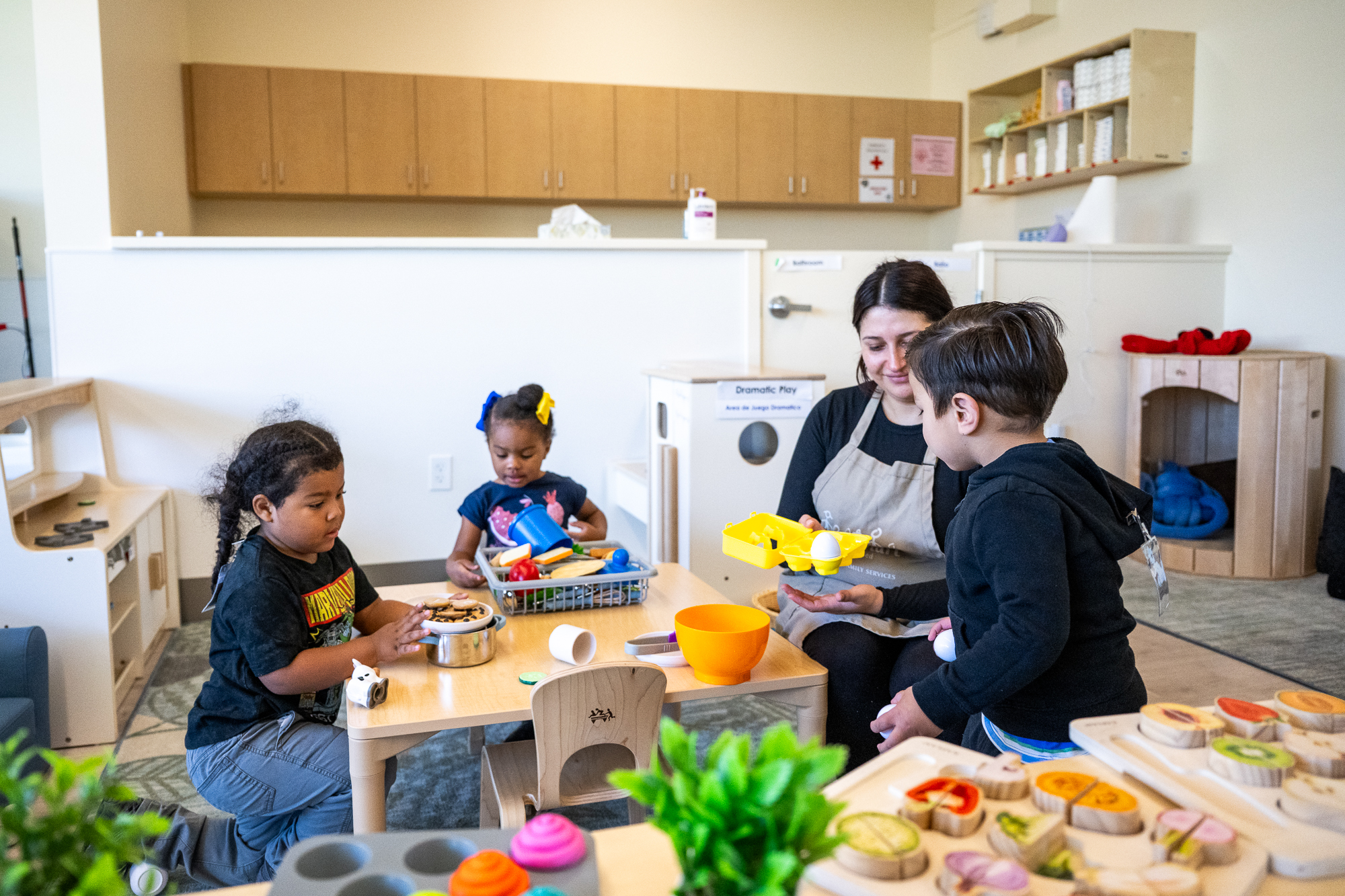
The Bay Area is experiencing a remarkable transformation in its educational landscape. As school districts grapple with declining enrollment and rising costs, many are finding innovative solutions that breathe new life into empty classrooms while addressing the region’s acute child care shortage.
The Crisis Driving Change
For decades, the Bay Area has faced a devastating child care gap. With housing costs forcing families to relocate to more affordable regions, school districts have seen enrollment plummet. This perfect storm has created abandoned or underutilized school facilities across the region.
According to recent data, several Bay Area districts have reported double-digit percentage drops in student enrollment over the past five years. Meanwhile, the average annual cost of infant care in San Francisco now exceeds $20,000, making it one of the most expensive regions in the nation for families.
From Classrooms to Child Care Centers
Districts are now partnering with child care providers to convert empty school buildings into much-needed early learning facilities. This innovative approach addresses multiple challenges simultaneously:
- Underutilized school buildings get a new purpose
- Communities gain access to affordable child care options
- Teachers and staff can transition to new roles
- Districts maintain revenue streams through lease agreements
"This is about meeting families where they are," says Maria Chen, director of a newly opened child care center in a former elementary school in the East Bay. "We have beautiful facilities with playgrounds, kitchens, and outdoor spaces that would have sat empty for years."
Success Stories Across the Region
Several Bay Area districts have already implemented successful conversions. In the Oakland Unified School District, three former elementary schools have been transformed into combined early learning and community centers. These facilities now serve hundreds of families who previously faced waitlists stretching over a year.
The San Jose Unified School District has taken a similar approach, partnering with non-profit child care providers to create sliding-scale tuition options for low-income families. These partnerships have proven especially valuable in neighborhoods where child care options were virtually non-existent.
Challenges and Considerations
Despite the promising results, the transition hasn’t been without obstacles. Districts must navigate complex zoning regulations, building code requirements, and union agreements. Additionally, some community members have expressed concerns about the long-term implications for neighborhood schools.
Funding remains another significant challenge. While startup costs for converting school facilities are typically lower than building from scratch, districts still need investment for renovations, equipment, and staff training. Several cities have responded by allocating federal and state early learning grants to support these conversions.
What This Means for Bay Area Families
For struggling families, these transformations represent more than just convenience—they can be life-changing. Parents, particularly mothers, who had left the workforce due to unaffordable child care are now returning. Children benefit from high-quality early learning environments that prepare them for kindergarten and beyond.
The average Bay Area family spends up to 30% of their income on child care. By increasing supply through school conversions, advocates hope to eventually bring those costs down and reduce the burden on working parents.
The Road Ahead
As the Bay Area continues to evolve, the conversion of school buildings into child care centers represents a pragmatic solution to interconnected challenges. With housing costs unlikely to decrease significantly in the near future, districts are recognizing that adaptability is essential to serving their communities.
State legislators are also taking notice. Proposed bills would provide additional funding and streamline regulations for school-to-child-care conversions. If passed, these measures could accelerate transformations across California.
For Bay Area families navigating the complex landscape of work, housing, and child care, these new facilities offer a glimmer of hope. What was once a symbol of decline—empty school buildings—has become a beacon of innovation and community resilience.

Comments are closed, but trackbacks and pingbacks are open.