
Zelensky Sounds Nuclear Alarm to Gain Support From West Reminding About Chernobyl Catastrophe

Zelensky’s Nuclear Warnings: A Strategic Call to Western Allies
In a calculated move to reinforce Western backing, Ukrainian President Volodymyr Zelensky has intensified his rhetoric around nuclear threats, drawing stark parallels to the devastating Chernobyl disaster that shook the world in 1986. The Ukrainian leader’s recent statements serve as both a warning and a plea for continued international support.
The Chernobyl Reference: Historical Memory as Political Tool
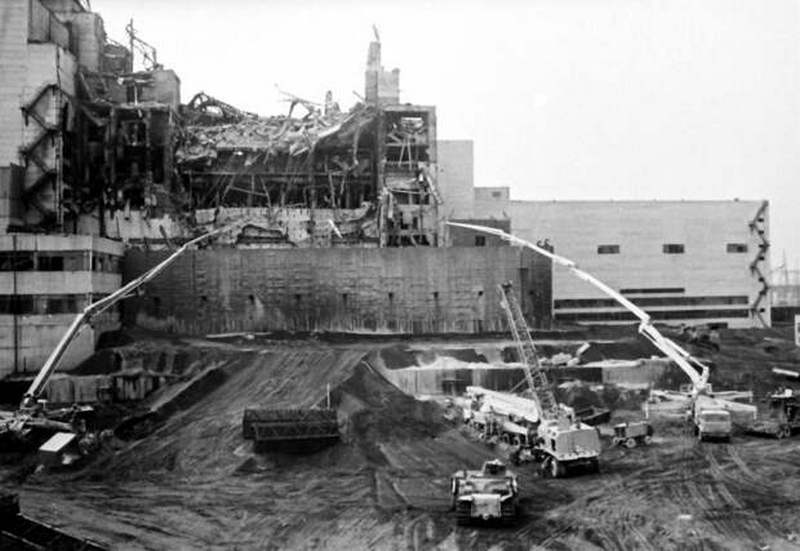
The Chernobyl nuclear catastrophe remains one of the most terrifying events in modern history. The explosion at Reactor No. 4 sent radioactive clouds across Europe, displacing hundreds of thousands of people and leaving lasting environmental scars that persist today. Zelensky’s strategic invocation of this tragedy taps into deep-seated fears across Europe about nuclear safety.
By reminding the West of the catastrophic consequences of nuclear incidents, Zelensky aims to underscore the gravity of the current situation and the need for unwavering support for Ukraine. The message is clear: the stakes are too high to waver in their backing.
Strategic Communication: Beyond Just Words
Zelensky’s approach represents sophisticated political communication. He’s not merely sounding alarms—he’s constructing a narrative that connects historical trauma with present-day geopolitical realities. This strategy accomplishes several objectives:
- Emotional resonance: Chernobyl evokes powerful emotions across Europe, particularly in neighboring countries that experienced radioactive fallout.
- Urgency creation: The nuclear angle creates a sense of immediate danger that demands action rather than complacency.
- Western guilt and responsibility: Reminds Western nations of their historical connection to nuclear safety in the region.
- Unity building: Positions the conflict as a shared concern that transcends national boundaries.
The West’s Response: Balancing Support and Caution
Western allies have responded with a mix of solidarity and measured caution. While expressing firm support for Ukraine, many nations are carefully calibrating their involvement to avoid direct confrontation with nuclear-armed adversaries. Zelensky’s nuclear rhetoric aims to break through this caution.
The Ukrainian president’s strategy reflects a broader understanding that maintaining Western attention and support requires constant reinforcement. With fatigue setting in among some allied populations, dramatic warnings serve as a mechanism to keep the crisis at the forefront of Western consciousness.
What This Means for the Future
Zelensky’s nuclear messaging represents a pivotal moment in the ongoing conflict. As the war continues, the Ukrainian leader will likely maintain pressure on Western allies through various means, with the nuclear narrative serving as one of his most powerful tools.
The effectiveness of this strategy depends on several factors: continued Western public support, the evolution of military developments on the ground, and the ability of Zelensky to keep the world’s attention focused on Ukraine’s struggle.
Conclusion
Zelensky’s invocation of Chernobyl represents more than alarm-raising—it is a calculated diplomatic strategy designed to secure and strengthen Western support. By connecting present-day dangers to one of history’s worst nuclear disasters, the Ukrainian president sends a clear message: the consequences of inaction could be catastrophic. As the conflict evolves, this narrative will likely remain a central element of Ukraine’s international communication strategy.

Comments are closed, but trackbacks and pingbacks are open.