

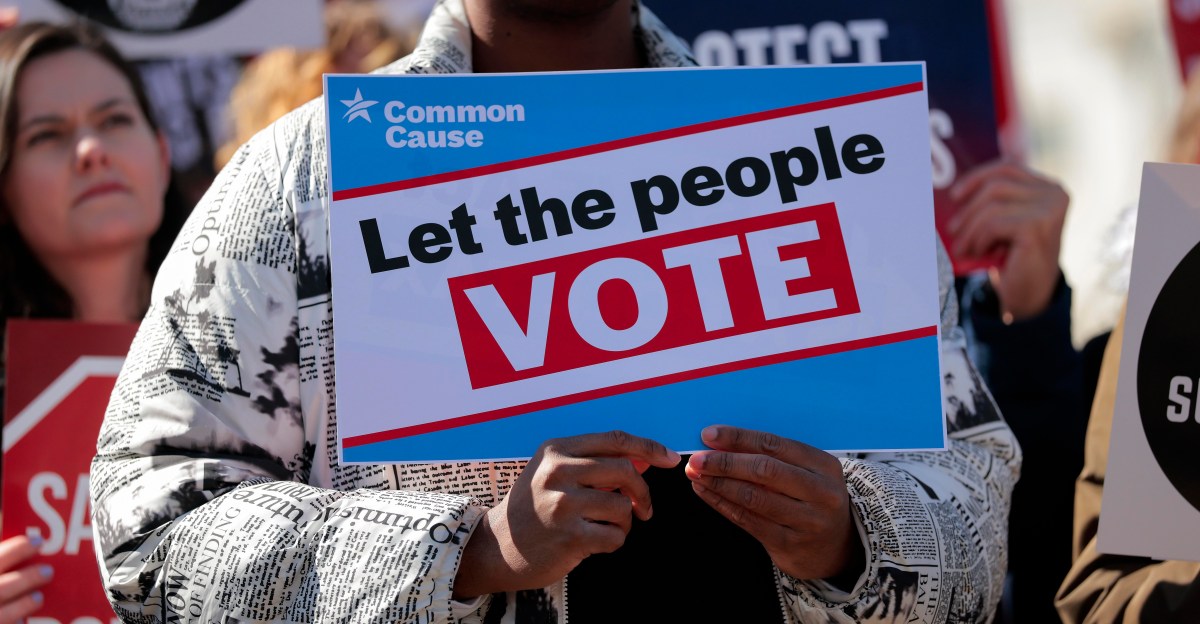
The political landscape is shifting, and Democrats are bracing for a challenging redistricting battle in the coming cycle. While the previous round of redistricting saw some victories for the party, experts warn that the next war over electoral maps will be even tougher to navigate.
Understanding the Redistricting Challenge
Redistricting, the once-a-decade process of redrawing congressional and state legislative districts based on new census data, has become one of the most consequential battles in American politics. The way district lines are drawn can determine which party holds power for the next decade.
For Democrats, the upcoming redistricting cycle presents a perfect storm of structural disadvantages that make it significantly harder to gain an edge in map-drawing negotiations and outcomes.
Why Democrats Face an Uphill Battle
1. Geographic Concentration
Democrats tend to cluster in urban areas, which means their votes are often packed into fewer districts. This geographic reality makes it difficult to create districts that maximize Democratic representation. When supporters live in dense populations, drawing "wasted votes" becomes a significant problem.
Republicans, meanwhile, are more distributed across suburban and rural areas, allowing for more efficient district drawing that spreads their votes across multiple districts.
2. State-Level Control
The party that controls state legislatures gains enormous advantage in redistricting. Currently, Republicans maintain control of significantly more state legislative chambers than Democrats. This means Republicans will have the primary power to draw maps in more states during the next cycle.
Even in states with independent redistricting commissions, the underlying demographic and political geography often favors Republican outcomes.
3. Demographic Shifts
Population growth patterns over the past decade have been favorable to Republican-leaning areas. Many rapidly growing states like Texas and Florida, which are gaining congressional seats, tend to lean Republican or are competitive states where Republicans have demonstrated strong map-drawing capabilities.
4. Legal Landscape Changes
Recent court decisions have limited the tools Democrats have used to fight partisan gerrymandering. Without strong federal protections, state-level legal challenges become the primary recourse, and these battles are expensive and time-consuming.
The Impact on Future Elections
The consequences of an unfavorable redistricting cycle extend far beyond a single election cycle. Districts drawn during this process will remain in place for ten years, shaping elections through 2034.
For Democrats to overcome these structural challenges, they will need to:
- Win more state legislative races to gain map-drawing power
- Invest heavily in court challenges to questionable maps
- Focus on ballot initiatives for independent redistricting commissions
- Build coalitions to counter Republican advantages
What This Means for Voters
The redistricting battle ultimately affects every voter. When districts are drawn to favor one party, voter choice diminishes. Competitive districts disappear, and incumbents become nearly unbeatable regardless of their performance.
Understanding these challenges is the first step toward addressing them. Democrats and voting rights advocates must recognize the structural headwinds they face and develop comprehensive strategies to combat them at every level of government.
Looking Ahead
The next redistricting war is inevitable. The question is whether Democrats can mount an effective response to the significant disadvantages they face. With high stakes and limited options, the party must be strategic, well-funded, and prepared for a long, difficult fight over the nation’s electoral maps.
The political consequences of this cycle will reverberate through American politics for years to come. Both parties understand what’s at stake, and the battle is just beginning.

Comments are closed, but trackbacks and pingbacks are open.