

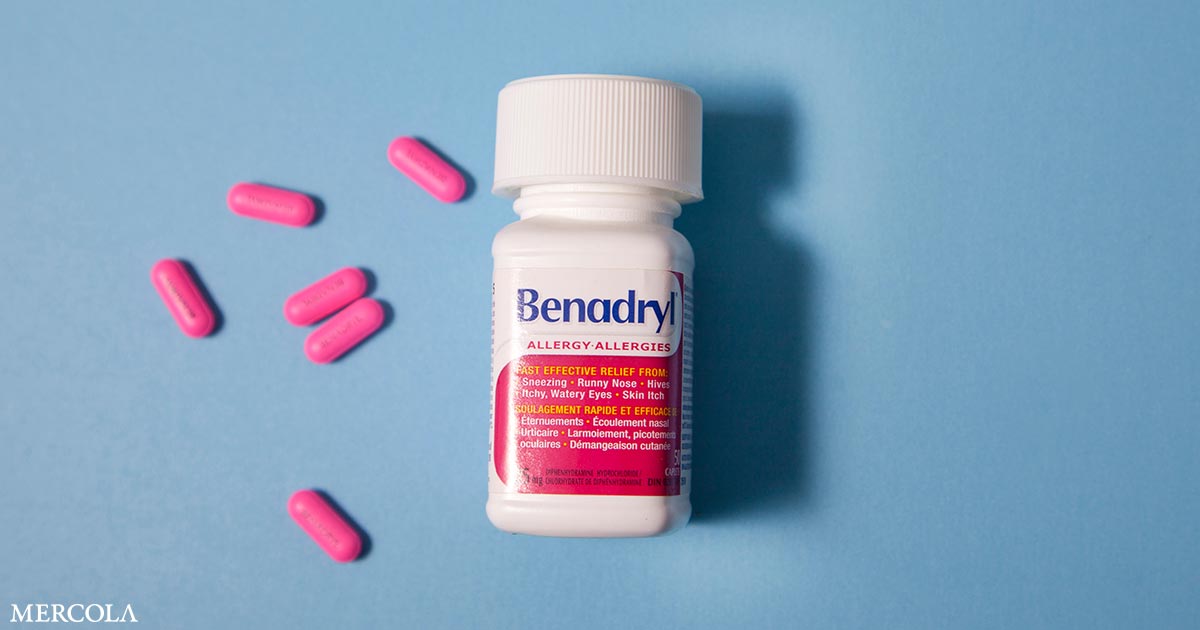
For decades, Benadryl (diphenhydramine) has been a staple in medicine cabinets across the country, the go-to fix for seasonal allergies, hives, and even occasional sleeplessness. But modern research tells a very different story: this once-beloved allergy treatment is both outdated and unsafe for regular use.
What Makes Benadryl an Outdated Allergy Treatment?
First-Generation Antihistamine Limitations
Benadryl belongs to a class of drugs called first-generation antihistamines, developed in the 1940s. These early medications are far less selective than modern options, binding to histamine receptors all over the body, including the brain. This lack of selectivity is the root cause of most of Benadryl’s unwanted side effects.
Second-generation antihistamines (like Claritin and Allegra), developed in the 1980s and beyond, are designed to target only peripheral histamine receptors, avoiding the brain entirely. This makes them far more effective for daily use with minimal side effects.
Poor Efficacy for Chronic Allergy Management
Benadryl has a very short half-life, meaning its effects wear off in just 4 to 6 hours. For people with chronic seasonal allergies, this requires taking 3 to 4 doses per day to maintain symptom relief, which increases the risk of side effects.
All second-generation alternatives last a full 24 hours with a single daily dose, making them far more convenient and effective for long-term allergy management.
The Hidden Safety Risks of Benadryl
Severe Drowsiness and Impaired Function
The most well-known side effect of Benadryl is extreme drowsiness, but the impairment goes far beyond feeling sleepy. Studies show that a single dose of diphenhydramine can slow reaction times to levels comparable to a blood alcohol content of 0.08%, the legal limit for driving in most states.
This impairment can last for up to 24 hours after taking a dose, making it dangerous to operate machinery, drive, or even perform routine tasks at work or school.
Long-Term Cognitive Decline Risks
Multiple long-term studies have linked regular use of first-generation antihistamines like Benadryl to an increased risk of dementia and cognitive decline, especially in adults over 65. The American Geriatrics Society explicitly lists diphenhydramine as a "potentially inappropriate medication" for older adults due to these risks.
These cognitive effects can start even with short-term regular use, including memory lapses, confusion, and slowed thinking.
Dangerous Overdose Risks
Benadryl has a narrow therapeutic window, meaning the difference between a safe dose and a dangerous overdose is very small. This is especially true for children, where even 1-2 extra tablets can cause rapid heart rate, seizures, hallucinations, and in severe cases, coma or death.
Unintentional diphenhydramine overdose is one of the most common causes of emergency room visits for allergy medication misuse, particularly among teens and young adults.
Dangerous Medication Interactions
Benadryl interacts with dozens of common medications, including alcohol, prescription sedatives, antidepressants, and blood pressure drugs. These interactions can amplify side effects like drowsiness, increase the risk of falls, and even cause life-threatening heart rhythm abnormalities.
Why Do Doctors Still Recommend Benadryl?
If Benadryl is so risky, why is it still on pharmacy shelves? It does have limited, appropriate use cases: it can be used as a short-term backup for severe acute allergic reactions (always after using an EpiPen for anaphylaxis), or for occasional short-term insomnia (no more than 2-3 nights in a row).
For daily allergy management, however, no major medical organization recommends Benadryl as a first-line treatment. Many doctors are still catching up to the latest research, which is why you may still hear it suggested for occasional use.
Safer, Modern Alternatives to Benadryl
Switching to safer, more effective allergy treatments is simple, with multiple options approved for long-term use:
Second-Generation Antihistamines
These are the gold standard for daily allergy relief. Popular options include:
- Claritin (loratadine): Non-drowsy, 24-hour relief, safe for most adults and children over 2.
- Zyrtec (cetirizine): Fast-acting relief for nasal congestion, itchy eyes, and hives.
- Allegra (fexofenadine): Gentle on the stomach, ideal for people with sensitive digestive systems.
Prescription Nasal Sprays and Eye Drops
Corticosteroid nasal sprays like Flonase or Nasacort are far more effective than oral antihistamines for nasal congestion, sneezing, and post-nasal drip. Antihistamine eye drops can quickly relieve itchy, watery eyes without systemic side effects.
Allergy Immunotherapy
For long-term relief, allergy shots or sublingual (under-the-tongue) tablets address the root cause of allergies by desensitizing your immune system to triggers. This can reduce or even eliminate the need for daily medication over time.
When Is Benadryl Still Appropriate?
Benadryl is not entirely useless, but its use should be extremely limited:
- As a backup for acute allergic reactions, only after using an EpiPen for severe anaphylaxis.
- For occasional short-term insomnia, no more than 2-3 nights in a row.
- Never for daily allergy management, children under 6, or adults over 65.
Final Takeaway
Benadryl was a breakthrough medication when it was first developed, but medical science has moved far beyond this outdated treatment. Its high risk of side effects, cognitive decline, and overdose make it a poor choice for regular use.
If you currently take Benadryl for daily allergies, talk to your doctor or pharmacist about switching to a second-generation antihistamine or other modern treatment. Your health, and your long-term brain function, will thank you.

Comments are closed, but trackbacks and pingbacks are open.