

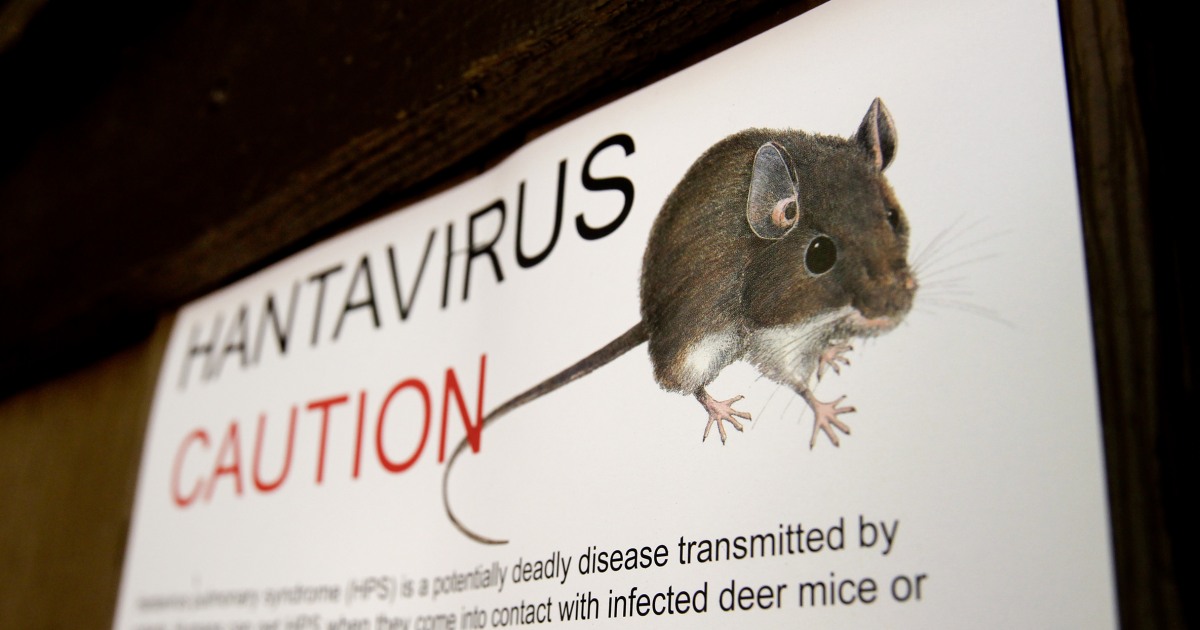
What is Hantavirus?
Hantavirus is a rodent‑borne virus that can cause serious respiratory illness in humans. First identified in the 1970s, it remains one of the most dangerous zoonotic diseases, especially in rural and forested regions.
How Does It Spread?
The virus is carried by rodents, mainly deer mice, but can be transmitted when:
- Humans inhale aerosolized droppings, urine, or saliva.
- They touch contaminated surfaces and then touch mouth, nose, or eyes.
- They handle infected rodents.
Recognizing the Symptoms
Hantavirus Lung Syndrome (HPS) typically unfolds in three stages:
- Early Flu‑Like Stage – fever, headache, fatigue, muscle aches.
- Progressive Respiratory Stage – shortness of breath, wheezing, cough.
- Severe Shock – low blood pressure and organ failure.
Seek emergency care if you notice sudden breathing difficulties after exposure to rodents.
Prevention Tips
- Seal Homes: Block cracks, install rodent proof screens, and keep food sealed.
- Clean Safely: Use a HEPA vacuum, disinfect with bleach solution, and wear masks.
- Volunteer with caution: If you must touch rodent droppings, use gloves and a respirator.
- Limit Exposure: Avoid camping in high‑risk areas during dry seasons.
Treatment Options
Early detection is crucial. Once diagnosed, patients receive:
- High‑dose steroids to reduce lung inflammation.
- Intravenous fluids to maintain blood pressure.
- Advanced respiratory support, sometimes ECMO, for severe cases.
- Close monitoring in intensive care units.
Recovery can take weeks, but survival rates exceed 70% when treatment starts early.
When to Seek Immediate Medical Help
Call 911 or go to the nearest ER if you experience:
- Rapid breathing or shortness of breath.
- Chest pain or tightness.
- Sudden drop in blood pressure.
- Swelling or pain in the abdomen after rodent exposure.
Final Thoughts
Hantavirus remains a hidden threat but is manageable with knowledge and prevention. Stay alert, protect your home, and don’t hesitate to seek medical care if symptoms arise. Together, we can reduce the danger and safeguard our communities.

Comments are closed, but trackbacks and pingbacks are open.