
Ultimate Guide to Travel Insurance for Complex Times

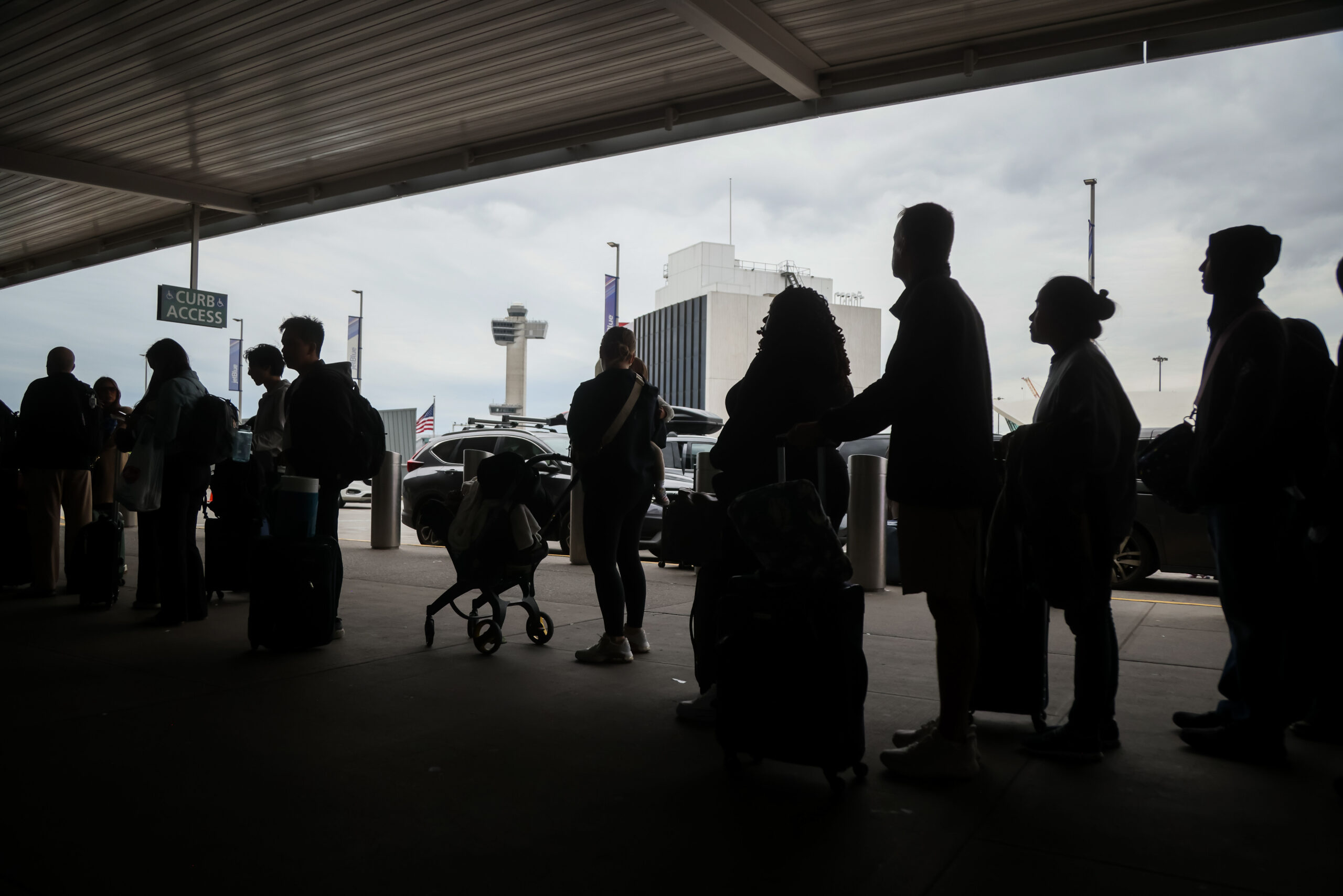
If you’ve tried to book a flight, schedule a cruise, or plan an international trip in the last few years, you already know travel isn’t as straightforward as it used to be. Between sudden flight cancellations, unexpected health outbreaks, geopolitical shifts, and extreme weather events, even the most meticulously planned trip can go off the rails.
That’s where travel insurance for complex times comes in — but with hundreds of policies and pages of fine print, it’s easy to end up with coverage that doesn’t actually protect you when you need it most. This ultimate guide breaks down everything you need to know to pick the right travel insurance policy for today’s unpredictable travel landscape.
Why Travel Insurance Matters More Than Ever in Complex Times
Recent data shows flight delays and cancellations are up 32% since 2019, with 1 in 5 travelers facing unexpected trip disruptions last year. For international trips, the risks are even higher: a single emergency room visit abroad can cost upwards of $10,000, and medical evacuation from a remote destination can top $100,000.
Standard health insurance rarely covers care outside your home country, and credit card travel benefits often have low coverage limits or strict eligibility requirements. Travel insurance fills these gaps, providing a financial safety net when your trip goes sideways.
Key Coverage Types You Need for Today’s Travel Risks
Not all travel insurance policies are created equal. Focus on these core coverage types to protect against the most common complex travel risks:
Trip Cancellation and Interruption Insurance
This covers non-refundable trip costs if you have to cancel before departure, or cut your trip short, due to covered events. Covered events now commonly include pandemic-related illness, government travel bans, and severe weather disruptions.
Travel Health and Medical Coverage
Covers doctor visits, hospital stays, prescription medications, and emergency medical treatment abroad. Look for policies with at least $100,000 in medical coverage for international trips, and add-on coverage for pre-existing conditions if needed.
Travel Delay and Missed Connection Coverage
Reimburses you for meals, accommodation, and rebooking fees if your flight is delayed 6+ hours (or longer, depending on the policy). This is critical given the rise in airline operational issues and extreme weather delays.
Baggage and Personal Belongings Coverage
Covers lost, stolen, or damaged luggage and personal items. Most policies cap coverage at $1,000–$2,500, so consider supplemental coverage if you’re traveling with expensive gear like cameras or laptops.
Emergency Evacuation Coverage
Covers the cost of medical transport to the nearest adequate medical facility, or repatriation to your home country. This is non-negotiable for remote adventure travel or trips to areas with limited healthcare infrastructure.
Common Exclusions to Watch For (Don’t Get Caught Out)
Even the most comprehensive travel insurance policy has exclusions. Watch for these common loopholes that could leave you unprotected:
- Pre-existing medical conditions, unless you purchase a pre-existing condition waiver within 14 days of your initial trip deposit
- Travel to countries with active Level 4 “Do Not Travel” advisories from your government
- Cancellations due to “change of mind” or discretionary changes to your itinerary
- Losses related to reckless behavior, including driving under the influence or participating in illegal activities
- War, civil unrest, or terrorist acts (some policies offer optional war risk coverage for an added fee)
How to Choose the Right Policy for Your Trip
Follow these 5 steps to find a travel insurance policy that fits your needs and budget:
- Assess your trip risk level: A domestic beach weekend has lower risk than a multi-country European backpacking trip or a ski vacation in the Alps. Match your coverage limits to your trip’s potential financial loss.
- Check existing coverage first: Many premium credit cards include travel insurance benefits, and some health insurance plans cover emergency care abroad. Avoid paying for duplicate coverage.
- Compare quotes from at least 3 providers: Prices for identical coverage can vary by 40% or more between insurers. Use comparison sites to see side-by-side policy details.
- Read the fine print: Check coverage limits, deductible amounts, and claim filing requirements before purchasing. Look for 24/7 claims support if you’re traveling internationally.
- Consider Cancel For Any Reason (CFAR) coverage: This optional add-on lets you cancel your trip for any reason not covered by standard policies, and get 50–75% of your non-refundable costs back. It adds 40–60% to your premium, but is worth it for high-cost, high-risk trips.
Tips to Save Money on Travel Insurance Without Skimping on Coverage
You don’t have to break the bank to get quality travel insurance. Use these tips to cut costs:
- Bundle travel insurance with your existing home or auto policy for a multi-policy discount
- Buy your policy within 14 days of making your first trip deposit to qualify for early-bird perks and CFAR eligibility
- Skip add-ons you don’t need, like rental car coverage if your credit card already includes it
- Check for group discounts if you’re traveling with 10+ people
- Opt for a higher deductible to lower your monthly premium, if you can afford to pay the deductible out of pocket in an emergency
Final Thoughts: Stay Protected in Unpredictable Times
Travel insurance is no longer a nice-to-have extra — it’s a critical part of trip planning in today’s complex travel landscape. A $50–$200 policy can save you thousands of dollars in losses if your trip is disrupted, delayed, or you face a medical emergency abroad.
Take the time to assess your risks, compare policies, and read the fine print. The right travel insurance policy will let you explore the world with peace of mind, even when the unexpected happens.

Comments are closed, but trackbacks and pingbacks are open.