

Trump’s Iran Oil Blockade: Why ‘Explosion’ Won’t Happen
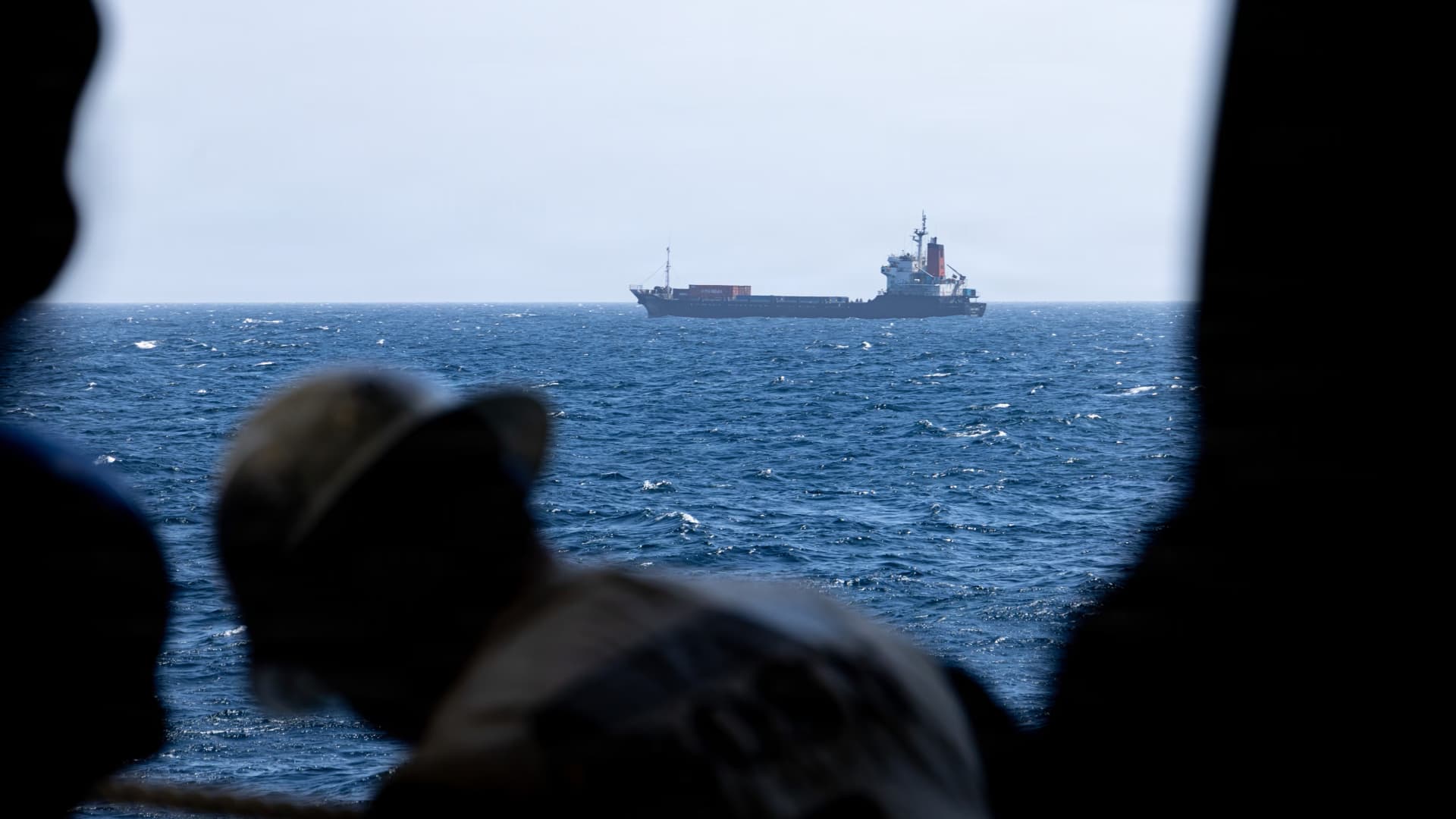
Former President Donald Trump made headlines this week with a striking claim: a full U.S. naval blockade on Iran would cause the country’s oil industry to “explode” within days. The remarks, delivered during a recent campaign stop, reignited debate about his hardline Iran policy, even as energy experts and geopolitical analysts dismissed the scenario as highly unlikely.
Trump’s statement echoes rhetoric from his 2020 term, when he pulled the U.S. out of the 2015 Iran nuclear deal and imposed crippling sanctions on Tehran’s oil sector. But why do so many experts say his latest “explosion” prediction won’t come to pass? Let’s break down the key reasons.
What Did Trump Actually Claim?
During a speech in Iowa this week, Trump vowed to reinstate a “total naval blockade” on Iran if re-elected, arguing the move would immediately cripple Tehran’s oil exports. He added that the pressure would be so severe the industry would “explode” within the week, a phrase he used to describe total collapse of Iran’s energy sector.
He did not provide specific details on how the blockade would be implemented, or why it would trigger such a sudden, catastrophic outcome for Iran’s oil infrastructure.
Why a Blockade Won’t Trigger an ‘Explosion’
Iran’s Oil Sector Is Already Battle-Tested
Iran’s oil industry has operated under strict U.S. sanctions for more than 5 years, since Trump withdrew from the 2015 Iran nuclear deal (JCPOA) in 2018. Pre-sanction production hit 3.8 million barrels per day (bpd); current output sits at roughly 3 million bpd, with only ~1 million bpd exported illicitly to buyers like China.
This means Tehran has already adapted to extreme pressure: it uses shadow fleets, disguised exports, and barter deals to keep revenue flowing. A new blockade would not introduce sudden, unmanageable strain. The industry is far from fragile enough to “explode” under additional pressure.
Global Oil Markets Are Prepared for Disruption
Trump’s claim relies on the idea that cutting Iran’s exports would send shockwaves through global oil markets, but current data tells a different story:
- Iran’s 1 million bpd of exports is easily covered by global spare capacity, led by Saudi Arabia and the UAE, which hold ~5 million bpd of unused production.
- Major oil buyers have diversified supply chains since 2018, reducing reliance on Iranian crude even for countries that still purchase it.
- Benchmark Brent crude prices have stayed stable near $80/barrel for months, with no signs of the volatility that would accompany a sudden supply crash.
An “explosion” of Iran’s oil industry would require a total halt to global supply that simply does not match current market dynamics.
A Full Blockade Is Legally and Logistically Impossible in the Short Term
Trump’s promise of a blockade that triggers an industry collapse “this week” ignores basic diplomatic and military realities. A full naval blockade requires either UN Security Council approval (which Russia and China would veto) or a unilateral U.S. military deployment that would take months to stage, not days.
Even if implemented, a blockade would face immediate pushback: Iran has extensive asymmetric capabilities, including naval mines, anti-ship missiles, and proxy groups across the Middle East, that would make the operation costly for U.S. forces. Tehran would also likely disrupt shipping in the Strait of Hormuz, which carries 20% of global oil exports, creating far broader market chaos than Trump’s claim suggests.
Iran Has Robust Contingency Plans in Place
Iran has spent years building resilience into its oil sector: underground storage facilities, dispersed production sites, and established illicit export networks via Iraq, Venezuela, and Syria. It holds ~80 million barrels of strategic oil reserves, enough to cover months of domestic demand if exports are fully cut.
There is no evidence that Tehran is unprepared for additional pressure. A total collapse of the industry would require a level of damage that a blockade alone cannot deliver, especially given Iran’s track record of weathering sanctions.
What Energy Experts Are Saying
Analysts from the International Energy Agency (IEA) and U.S. Energy Information Administration (EIA) have all pushed back on Trump’s claim. “This is classic political hyperbole, not grounded in energy market fundamentals,” said one senior IEA analyst, who spoke on condition of anonymity. “Iran’s oil sector is strained, but it is not on the brink of collapse, and global markets have more than enough spare capacity to absorb any disruption.”
Even analysts who support tough sanctions on Iran note that a blockade is a blunt tool that would harm U.S. allies as much as Tehran, making it unlikely to be implemented in the first place.
Conclusion
Trump’s claim that a blockade would make Iran’s oil industry “explode” this week is a rhetorical flourish, not a prediction backed by facts. The Iranian oil sector is resilient after years of sanctions, global markets are prepared for supply disruptions, and a full blockade faces insurmountable legal and logistical hurdles.
For now, the most likely outcome is status quo: continued low-level sanctions pressure, stable oil prices, and no sudden collapse of Iran’s energy sector. As always, geopolitical rhetoric often outpaces on-the-ground reality.

Comments are closed, but trackbacks and pingbacks are open.