

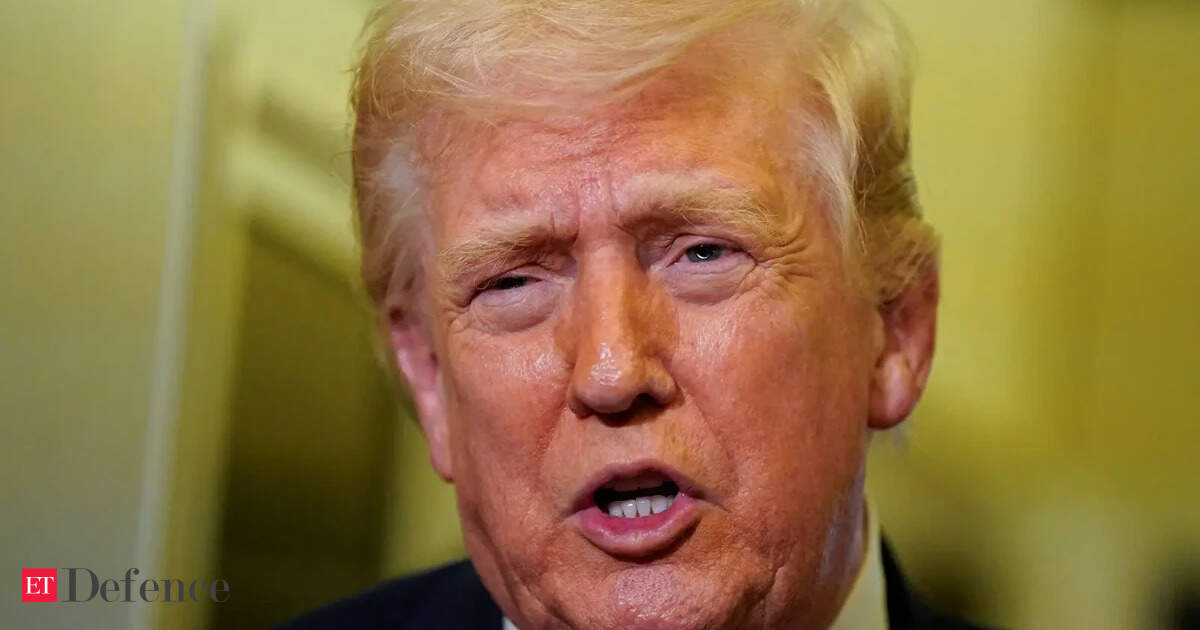
President Donald Trump has voiced strong disapproval of Iran’s most recent proposal in ongoing ceasefire negotiations, signaling that diplomatic efforts to resolve the nuclear impasse may be hitting another roadblock. The development comes amid mounting tensions in the Middle East and growing international concern over the stalemate.
Trump’s Response to Iran’s Proposal
Speaking from the White House, President Trump made his position crystal clear: he is "not satisfied" with the latest offer put forth by Iranian officials. The statement marks a significant escalation in the rhetoric surrounding the nuclear talks, which have struggled to gain momentum in recent weeks.
"We’ve seen their proposal, and it’s simply not enough," Trump stated during a press conference. "We’ve been down this road before with Iran. What we need is a real commitment to denuclearization, not more delays or half measures."
Key Points of Contention
The ceasefire stalemate centers on several critical issues:
- Uranium enrichment limits: Iran has refused to completely halt its enrichment program, insisting on retaining limited capabilities for peaceful purposes.
- Sanctions relief: The Trump administration demands comprehensive verification before considering any sanctions easing, while Iran wants immediate relief as a goodwill gesture.
- International monitoring: Disputes over the extent of International Atomic Energy Agency (IAEA) inspection protocols continue to divide both parties.
- Regional influence: Broader geopolitical concerns, including Iran’s support for proxy groups in the Middle East, complicate the negotiations.
International Reactions
The international community has responded with mixed reactions to the news. European allies expressed cautious optimism that talks were progressing, only to be met with renewed uncertainty following Trump’s remarks.
German Chancellor Olaf Scholz urged both sides to remain at the negotiating table. "Dialogue is the only path forward," Scholz said. "We cannot afford another breakdown in communications."
Meanwhile, Russian officials called for patience and emphasized the need for a "balanced approach" that addresses the security concerns of all parties involved.
What’s Next for Negotiations?
Despite the current impasse, neither side has completely ruled out continued discussions. White House officials indicated that diplomatic channels remain open, though expectations for a breakthrough in the near term have been significantly tempered.
Iran’s Foreign Minister has scheduled additional meetings with European intermediaries in the coming days, suggesting that backchannel diplomacy may still be active despite the public stalemate.
The situation remains fluid, with analysts warning that the consequences of a failed negotiation could have far-reaching implications for regional stability and global non-proliferation efforts.
Conclusion
As the ceasefire stalemate continues, President Trump’s clear dissatisfaction with Iran’s latest proposal underscores the deep divisions that persist between Washington and Tehran. While diplomatic efforts remain technically alive, the path to a resolution appears increasingly uncertain. The international community watches closely, aware that the outcome of these negotiations will shape Middle Eastern geopolitics for years to come.

Comments are closed, but trackbacks and pingbacks are open.