

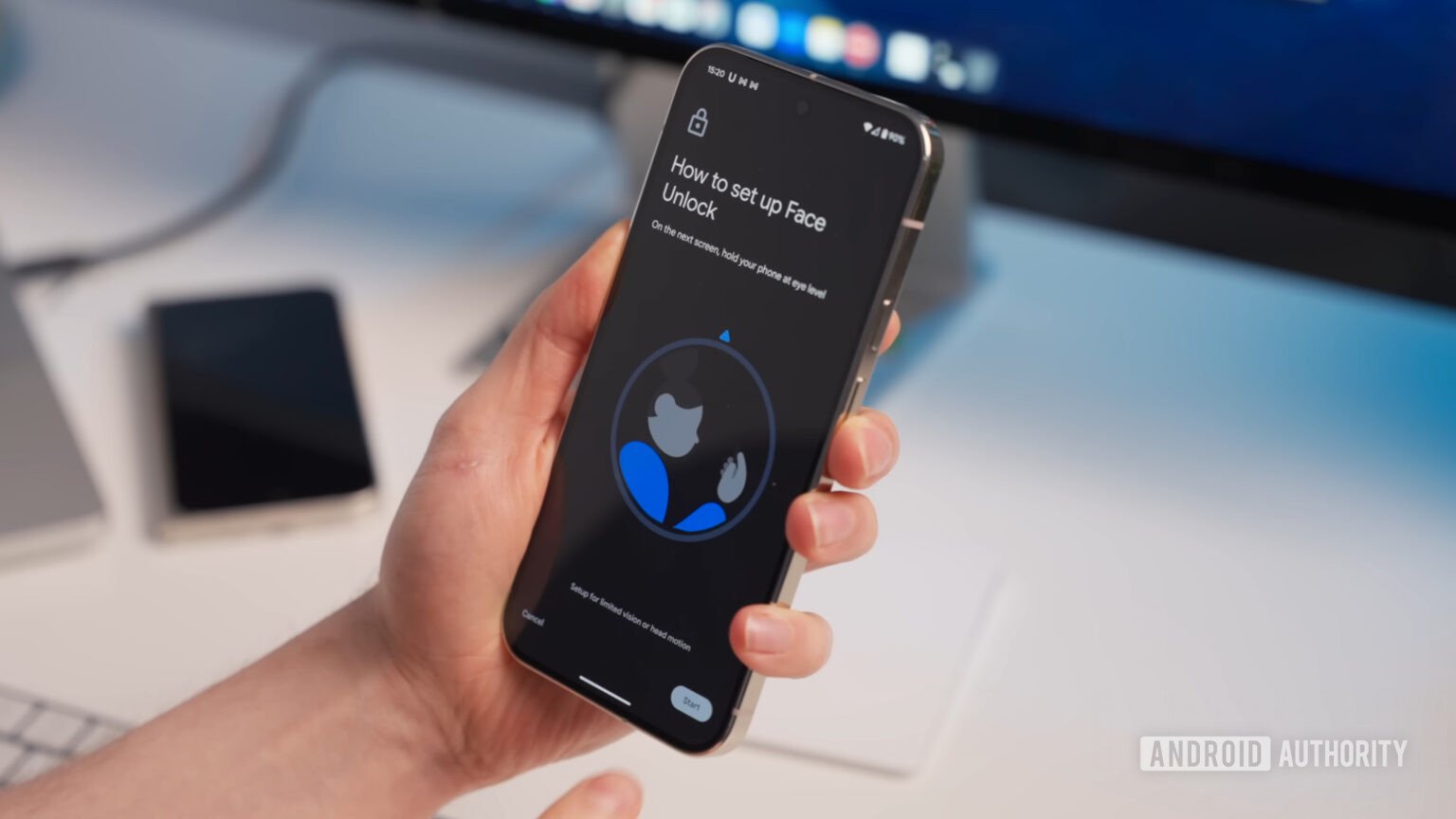
Android smartphones are about to get a major upgrade that leaves Apple playing catch-up. A revolutionary under-display face unlock technology is emerging, offering a seamless, notch-free authentication experience that Cupertino simply hasn’t been able to deliver.
What is Under-Display Face Unlock?
Under-display face unlock represents the next evolution in smartphone biometric security. Unlike traditional front-facing cameras that require a visible cutout or notch, this technology hides the facial recognition sensors entirely beneath the phone’s display. The sensors can "see" through the screen while remaining completely invisible to the user.
This innovation combines specialized display technology with advanced infrared cameras and dot projectors—all working seamlessly beneath the OLED panel. When you look at your phone, the system instantly recognizes your face and unlocks the device, without any visible hardware interrupting your screen.
How Android is Outpacing Apple
Apple’s Face ID, introduced in 2017 with the iPhone X, remains one of the most secure facial recognition systems in the mobile industry. However, it requires a dedicated housing at the top of the display—first as a massive notch, and now as the Dynamic Island. Apple hasn’t found a way to hide these sensors beneath the screen.
Android manufacturers are now solving this problem through:
- Custom OLED substrates: Specially designed display panels with increased pixel transparency in sensor areas
- Advanced infrared imaging: Next-generation IR cameras that can capture accurate facial data through partial obstructions
- AI-powered processing: Sophisticated algorithms that compensate for light diffusion through display layers
- Multi-sensor fusion: Combining facial recognition with other biometric methods for enhanced security
The Advantages Over Current Solutions
This technology offers several compelling benefits that traditional face unlock systems cannot match:
True Full-Screen Design
No notches, no punch holes, no Dynamic Island. The entire display is usable, creating an immersive viewing experience that current smartphones simply cannot offer.
Enhanced Durability
With no exposed camera hardware on the front panel, there’s one less component vulnerable to scratches, cracks, or damage from everyday use.
Sleek Aesthetics
Manufacturers can create truly stunning devices without compromise. The clean, uninterrupted screen design represents the pinnacle of modern smartphone aesthetics.
Improved Water Resistance
Fewer physical openings mean better protection against water and dust intrusion, making devices more resilient in challenging environments.
Security Considerations
Critics might question whether under-display technology can match the security of traditional systems. Early implementations suggest these concerns are largely unfounded. The technology uses:
- 3D facial mapping with depth perception
- Infrared illumination that works in complete darkness
- Liveness detection to prevent spoofing with photos or masks
- Secure enclaves for storing biometric data
These systems meet or exceed the security standards established by current face unlock implementations.
What This Means for Consumers
The arrival of under-display face unlock marks a significant milestone in smartphone design. Users will finally get the all-screen devices they’ve wanted for years—without sacrificing the convenience and security of facial recognition.
This technology also signals a shift in the mobile industry dynamics. For the first time, Android is leading Apple in a key area of smartphone hardware innovation. Apple’s famous "it just works" philosophy faces a genuine challenge from Android devices that offer superior design without compromising functionality.
The Future is Clear
Under-display face unlock technology represents the culmination of years of display and biometric innovation. As manufacturing costs decrease and technology matures, we can expect to see this feature become standard across premium Android devices.
Apple will inevitably need to respond, but for now, Android has achieved something the iPhone maker has not—true facial recognition hidden beneath a beautiful, uninterrupted display. The race for the perfect smartphone screen has a new leader.

Comments are closed, but trackbacks and pingbacks are open.