

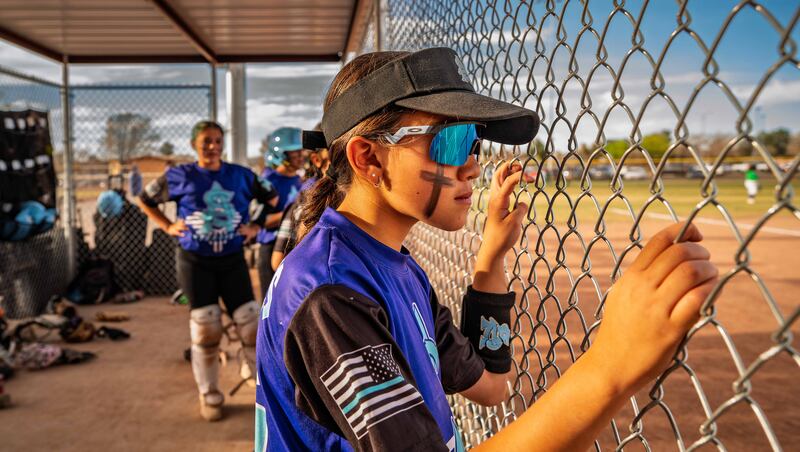
Why We Pay to Play
For most of us, play is synonymous with free time, creativity, and joy. Yet the modern economy turns almost every activity into a paid experience. From amusement parks to virtual reality, people routinely spend cash to get a dose of fun. But is the money we spend truly worth it? Let’s break down the hidden costs and benefits of paying for play.
The Hidden Price Tag: Money, Time, and Opportunity
- Monetary cost: Ticket fees, gear, and subscriptions add up fast. Average family spends ~$600 annually on leisure.
- Time investment: Trips and lessons consume hours that could be used elsewhere.
- Opportunity cost: Every dollar spent on play is a dollar not saved or invested.
What Are We Actually Buying? Benefits of Paid Play
1. Structured Skill Development
Paid programs—think music lessons or sports camps—offer professional guidance that free play rarely matches, accelerating skill acquisition.
2. Social Connection
Group activities create lasting bonds. The sense of belonging boosts mental health and reduces stress.
3. Safe, Inclusive Environments
Well‑maintained venues and vetted instructors reduce injury risk and ensure accessibility for all.
When Spending on Play Backfires
If your budget tightens, push high‑priced activities to a secondary list. Embrace low‑cost alternatives:
- Free community events and parks.
- DIY home game nights.
- Online tutorials for self‑growing skills.
Practical Tips to Get the Most Value
- Bundle offers: Look for combo passes (e.g., theme park + show).
- Off‑peak discounts: Attend late or weekday sessions for lower prices.
- Share costs with friends or family to split tickets and rentals.
- Track your spend: Use a simple spreadsheet to compare cost vs. personal benefit.
Conclusion: Play as an Investment, Not a Luxury
Play isn’t merely a frivolous expense; it’s an investment in creativity, health, and community. By understanding the real price of play and choosing wisely, you can enjoy fun while staying financially savvy.

Comments are closed, but trackbacks and pingbacks are open.