

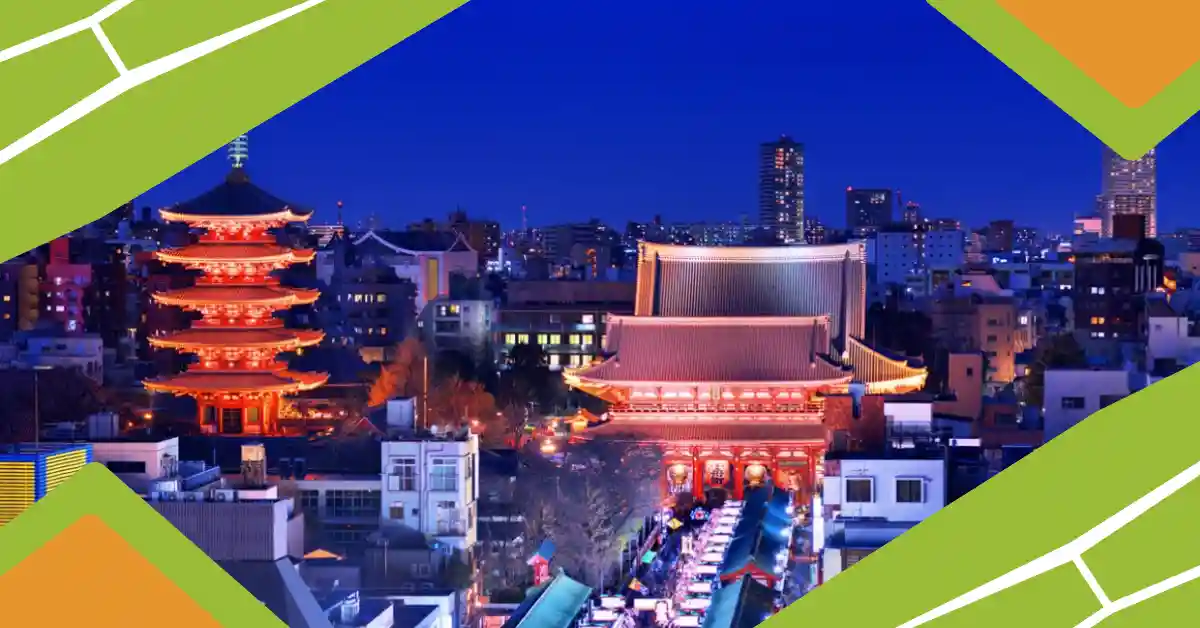
Japan stands as one of the world’s most fascinating cultural paradoxes—a nation where centuries-old temples share city blocks with gleaming skyscrapers, and where ancient rituals are performed with the same dedication as cutting-edge technological innovations. This unique balance between tradition and modernity isn’t accidental; it’s a carefully cultivated philosophy that defines the Japanese identity.
The Ancient Soul of Japan
Japan’s rich cultural heritage stretches back over two millennia, with traditions that have been preserved and passed down through countless generations. From the elaborate tea ceremonies originating in the 16th century to the timeless elegance of kimono wearing, these customs form the spiritual backbone of Japanese society.
Shinto shrines dot the landscape—from the famous Fushimi Inari in Kyoto to small local sanctuaries in quiet neighborhoods. Buddhist temples maintain their serene presence amid urban chaos, offering spaces for meditation and reflection. Traditional arts like ikebana (flower arranging), calligraphy, and pottery continue to thrive, taught with the same meticulous attention to detail as centuries ago.
The concept of mono no aware—a bittersweet awareness of the transience of life—permeates Japanese culture, creating a deep appreciation for impermanence that makes tradition feel both precious and naturally evolving.
Modern Japan: Technology and Innovation
Turn on any television, step into a train station, or simply walk through the streets of Tokyo, and you’ll witness Japan’s remarkable embrace of the future. The country leads the world in robotics, high-speed rail technology, and urban infrastructure innovation.
Tokyo’s Shibuya Crossing exemplifies this modernity—hundreds of people navigate the world’s busiest pedestrian intersection with choreographed precision, surrounded by neon signs and digital billboards. The city’s public transportation system, particularly the bullet trains (shinkansen), represents engineering excellence that has transformed travel since 1964.
Japanese innovation extends beyond infrastructure. The country has given the world revolutionary concepts in gaming, automotive design, and consumer electronics. Companies like Sony, Toyota, and Nintendo have become global household names, embodying Japan’s reputation for precision engineering and forward-thinking design.
Where Tradition Meets Modernity
What makes Japan truly remarkable is how seamlessly these two worlds coexist. You might find a centuries-old temple as the backdrop for a modern fashion photoshoot. Business executives in tailored suits may bow with the same formality as their ancestors. A robot may serve tea in a traditional ceremony, honoring ancient customs through modern technology.
This integration is perhaps most visible in Japanese cuisine. While sushi restaurants range from minimalist traditional establishments to futuristic conveyor-belt eateries, both maintain the same fundamental respect for fresh ingredients and culinary craftsmanship. The convenience store (konbini) culture offers perfectly prepared traditional foods alongside modern snacks, making everyday eating a cultural experience.
Key Examples of Cultural Balance
Several striking examples illustrate Japan’s cultural duality:
- Kyoto to Tokyo: Visitors can experience the preserved elegance of old Japan in Kyoto—with its wooden machiya houses and geisha districts—before boarding a 2-hour bullet train to the neon-lit future of Tokyo.
- Summer Festivals: Traditional matsuri celebrations feature ancient dances and portable shrines (mikoshi), yet are often sponsored by modern corporations and shared instantly on social media.
- Work Culture: Japanese companies maintain hierarchical structures rooted in tradition while embracing flexible work arrangements and digital transformation.
- ashion: Street fashion in Harajuku pushes boundaries with avant-garde designs, while kimono designers create contemporary interpretations of traditional garments.
The Philosophy Behind Japan’s Cultural Harmony
Japanese culture doesn’t view tradition and modernity as opposing forces. Instead, they exist in a state of dynamic equilibrium, each informing and enriching the other. This philosophy manifests in several key principles:
Kaizen—continuous improvement—applies equally to ancient crafts and modern technology. Whether perfecting a ceramic technique or developing a new smartphone, the pursuit of excellence remains constant.
Wabi-sabi finds beauty in imperfection and impermanence, allowing Japan to embrace new technologies without discarding the charm of the old. A cracked tea bowl may be repaired with gold, making its flaws part of its beauty—just as modern Japan builds upon its traditional foundations.
What Visitors Can Experience
For travelers seeking to witness this balance firsthand, Japan offers endless opportunities. Wake early to watch monks chant at a mountain temple, then spend the afternoon exploring a futuristic robot museum. Spend one evening in a traditional ryokan (inn) sleeping on tatami mats, and the next in a cutting-edge capsule hotel.
Even simple daily experiences reveal this cultural layering. Using a public bath (onsen) follows rituals unchanged for centuries, while the payment system uses the latest contactless technology. Riding the train offers both the punctuality of modern engineering and the quiet courtesy of traditional Japanese behavior.
Conclusion
Japan’s remarkable ability to honor its past while embracing the future offers valuable lessons for our rapidly changing world. This isn’t about choosing between tradition and modernity—it’s about weaving them together into a rich cultural tapestry that honors heritage while welcoming innovation.
Whether you’re planning a visit or simply exploring from afar, understanding this balance reveals the deeper essence of Japanese culture. It’s a living demonstration that progress doesn’t require abandoning the past, and that tradition can evolve without losing its soul. Japan shows us that true modernity includes wisdom, and true tradition includes growth.

Comments are closed, but trackbacks and pingbacks are open.