

Understanding Streptococcus didelphis Infection in Opossums: A Comprehensive Research Study
Wildlife health surveillance plays a critical role in understanding zoonotic diseases and their impact on both animal populations and public health. A groundbreaking research study has shed new light on Streptococcus didelphis infection in free-ranging opossums, specifically investigating the white-eared opossum (Didelphis albiventris) and Brazilian common opossum (Didelphis aurita).
The Study: Pathology, Microbiology, and Genomics
This comprehensive investigation examined the pathological effects, microbiological characteristics, and genomic features of Streptococcus didelphis isolated from naturally infected opossum populations. The research represents a significant contribution to our understanding of streptococcal infections in marsupials and their potential implications for wildlife conservation.
Understanding Streptococcus didelphis
Streptococcus didelphis is a Gram-positive bacterium that has been increasingly recognized as a significant pathogen in opossum populations. This organism belongs to the genus Streptococcus, which includes various species known to cause disease in both animals and humans.
The bacterium exhibits characteristic chain-forming morphology when observed under microscopy, and it has demonstrated the ability to cause systemic infections in susceptible opossum hosts. Understanding the specific pathogenic mechanisms of S. didelphis is essential for developing effective treatment protocols and conservation strategies.
Key Characteristics of the Pathogen
- Gram-positive cocci arranged in chains
- Alpha-hemolytic activity on blood agar
- Catalase-negative biochemical profile
- Optochin-sensitive organism
- Ability to cause systemic infections in opossums
The Opossum Species Under Study
White-Eared Opossum (Didelphis albiventris)
The white-eared opossum, also known as the big-eared opossum, is a marsupial species native to South America. These nocturnal omnivores play important ecological roles in their habitats as seed dispersers and scavengers. Didelphis albiventris is found throughout much of eastern South America, including Brazil, Argentina, Paraguay, and Uruguay.
Brazilian Common Opossum (Didelphis aurita)
The Brazilian common opossum, or bare-tailed opossum, is another widespread marsupial species in Brazil and surrounding regions. Didelphis aurita adapts well to various habitats, including urban areas, making it particularly relevant for understanding potential zoonotic transmission risks.
Pathological Findings
The pathological examination of infected opossums revealed significant insights into the disease progression caused by Streptococcus didelphis. The research documented various tissue changes and organ involvement in naturally infected animals.
Gross Pathology Observations
Post-mortem examinations of infected opossums revealed:
- Systemic inflammation affecting multiple organs
- Pneumonia with associated respiratory distress
- Encephalitis in severe cases
- Lymphadenopathy indicating immune response
- Septicemia markers in acute infections
Histopathological Findings
Microscopic examination of affected tissues showed characteristic pathological changes including:
- Suppurative inflammation in multiple organs
- Vascular congestion and hemorrhage
- Necrotic foci in liver and spleen
- Meningeal inflammation in neurological cases
- Alveolar consolidation in pulmonary tissue
Microbiologic Characterization
The microbiological investigation of Streptococcus didelphis provided crucial information about the organism’s properties and behavior. Researchers conducted comprehensive biochemical testing and antimicrobial susceptibility studies.
Biochemical Profile
The bacterium demonstrated typical streptococcal biochemical characteristics:
- Positive for bacitracin sensitivity
- Shows PYR hydrolysis
- Produces lecithinase activity
- Demonstrates esculin hydrolysis
- Ferments various carbohydrates
Antimicrobial Susceptibility Patterns
Understanding antimicrobial resistance patterns is crucial for developing effective treatment protocols. The study revealed:
- High susceptibility to penicillins
- Effective response to macrolides
- Variable susceptibility to tetracyclines
- Resistance patterns consistent with wild-type strains
Genomic Characterization
One of the most significant aspects of this research was the genomic characterization of Streptococcus didelphis. Whole-genome sequencing provided unprecedented insights into the bacterial pathogen’s genetic makeup.
Genetic Features
Genomic analysis revealed several important findings:
- Genome size consistent with other streptococcal species
- Presence of virulence-associated genes
- Antimicrobial resistance genes identification
- Mobile genetic elements analysis
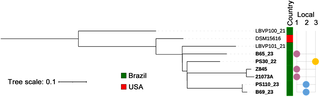
- Phylogenetic relationship to other streptococci
Virulence Factors
The genomic investigation identified multiple potential virulence factors that contribute to the pathogen’s ability to cause disease:
- Adhesion molecules for host cell attachment
- Immune evasion mechanisms
- Toxin production capabilities
- Biofilm formation genes
Significance for Wildlife Conservation
This research carries significant implications for wildlife conservation efforts in South America. Understanding Streptococcus didelphis infection in opossum populations helps wildlife veterinarians and conservationists develop better management strategies.
Conservation Implications
- Improved wildlife health monitoring protocols
- Better understanding of population health risks
- Development of treatment guidelines for rehabilitated animals
- Enhanced disease surveillance capabilities
Zoonotic Potential and Public Health
While primarily a pathogen of opossums, understanding Streptococcus didelphis is important for public health considerations. The research contributes to our knowledge of potential zoonotic risks and the importance of proper handling of wild animals.
Key Considerations
- Proper personal protective equipment when handling opossums
- Awareness of potential transmission routes
- Importance of veterinary supervision in wildlife rehabilitation
- Need for continued surveillance of wildlife diseases
Conclusions
This comprehensive study of Streptococcus didelphis infection in free-ranging white-eared opossums and Brazilian common opossums represents a significant advancement in our understanding of marsupial diseases. The integration of pathological, microbiological, and genomic approaches provides a complete picture of this bacterial pathogen.
The findings contribute valuable knowledge for wildlife veterinarians, conservation biologists, and public health officials. As opossum populations continue to face habitat loss and environmental pressures, understanding their health challenges becomes increasingly important for conservation success.
Future research directions should include expanded surveillance programs, investigation of treatment protocols, and continued monitoring of pathogen evolution. This will help ensure the long-term health of these ecologically important marsupial species.

Comments are closed, but trackbacks and pingbacks are open.