
Revealed: Harrods Chairman’s Property Housed Asylum Seekers Convicted of Brighton Beach Sexual Offences

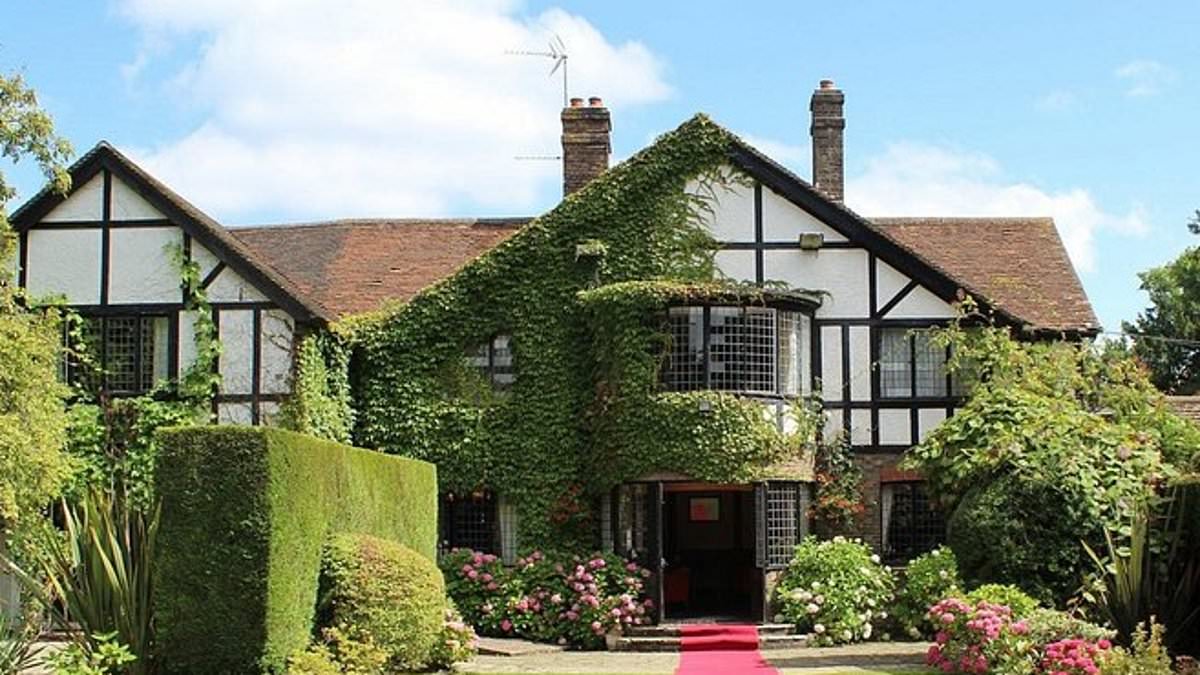
A luxury mansion owned by the late Harrods chairman Mohamed Al-Fayed was used to house failed asylum seekers, it has emerged, including individuals later convicted of serious sexual offences.
Property Details and Ownership
The property in question is a substantial residence located in one of London’s most prestigious areas. Mohamed Al-Fayed, who owned Harrods department store for decades until his death in 2023, acquired numerous properties across the UK through his extensive property portfolio.
Sources confirm that this particular mansion was among properties used by the Home Office to accommodate asylum seekers through housing contracts with private providers. These arrangements, funded by taxpayers, have faced increasing scrutiny in recent years.
The Brighton Beach Incident
Among the residents at the property were individuals who were subsequently convicted of a disturbing attack on a woman at Brighton beach. The violent incident sparked outrage and intense public scrutiny of the asylum housing system.
Court proceedings revealed the perpetrators had been housed in the UK while their asylum claims were processed. Despite receiving negative decisions on their asylum applications, they remained in the country under taxpayer-funded accommodation arrangements.
Key Facts About the Case:
- The attack occurred on a popular Sussex beach
- Multiple perpetrators were convicted of serious sexual offences
- The individuals had been housed in properties managed by housing providers
- Concerns were raised about the monitoring of asylum seekers with failed claims
taxpayer-Funded Accommodation Controversy
The case has reignited debate over the UK’s system for housing asylum seekers. Private companies contracted by the Home Office receive substantial payments to provide accommodation, with costs running into billions of pounds annually.
Critics have questioned how individuals with failed asylum claims remain in the country and continue to receive state-funded accommodation. The system has faced allegations of mismanagement, with reports of properties in poor condition and insufficient oversight of residents.
Government Response
Government ministers have faced questions about the housing arrangements and the processes for removing individuals whose asylum claims have been rejected. The Home Office has stated that it works with police to ensure public safety while processing asylum claims.
A government spokesperson said: "We take the safety of the public extremely seriously. All accommodation providers must meet strict standards, and we work closely with police to address any criminal behaviour."
Broader Implications
The revelations have加深 calls for reform of the asylum housing system. MPs from various parties have demanded clearer explanations about how individuals with failed claims remained in taxpayer-funded accommodation.
The case also highlights the ongoing challenges facing the UK’s asylum system, which has struggled with mounting backlogs and political pressure to reduce small boat crossings.
Labour’s shadow home secretary said: "This case exposes serious failures in the asylum system. The public will rightly be asking how this was allowed to happen."
What Happens Next
The government has announced reviews into asylum accommodation arrangements. Housing providers face increased scrutiny, and there are calls for stricter vetting of residents and faster processes for removing those with no right to remain in the UK.
The case serves as a stark reminder of the complex challenges facing the UK’s immigration system, balancing humanitarian obligations with public safety concerns and responsible use of taxpayer money.

Comments are closed, but trackbacks and pingbacks are open.