
Rat Virus Cruise Ship Docked in Canary Islands After Three Deaths, British Doctor Set for Evacuation

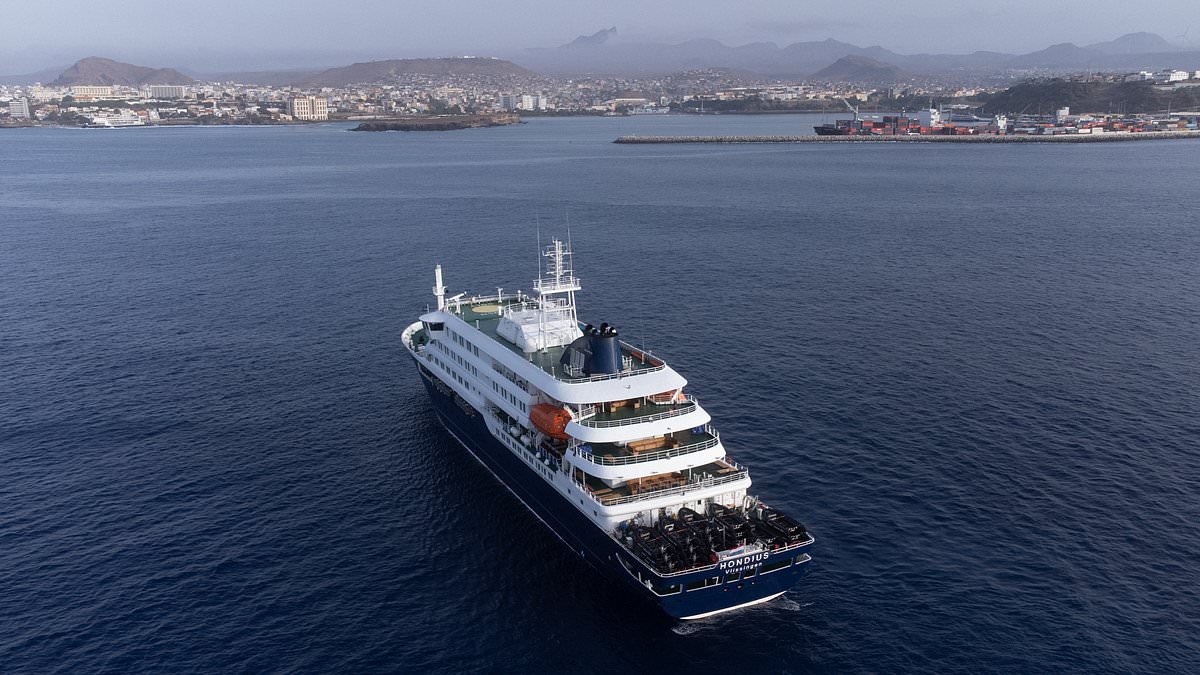
What happened on the cruise ship?
A passenger vessel sailing off the coast of West Africa reported an outbreak of a rodent‑borne virus that has now claimed three lives. The illness, identified as a hantavirus strain carried by rats, spread quickly among crew and passengers in confined spaces.
Key timeline
- Day 1: First cases of severe respiratory symptoms reported.
- Day 3: Two passengers die despite intensive care.
- Day 5: Third fatality confirmed; the ship’s medical officer becomes critically ill.
- Day 7: Authorities grant permission for the vessel to dock in the Canary Islands.
Why the Canary Islands?
The archipelago’s health infrastructure is equipped to handle zoonotic emergencies, and the Spanish port authority has already coordinated with the World Health Organization (WHO) and the European Centre for Disease Prevention and Control (ECDC). The location also provides a quarantine zone that isolates the ship from mainland traffic.
What authorities are doing
- Setting up a dedicated isolation ward on the dock.
- Deploying rodent‑control teams to sanitize the vessel.
- Conducting PCR testing on all remaining passengers and crew.
- Preparing an evacuation plan for the seriously ill British ship doctor.
Evacuation of the British ship doctor
The ship’s chief medical officer, a British physician, developed severe respiratory distress and requires advanced care unavailable on board. A medical evacuation team from the Canary Islands’ regional health service is on standby, with a helicopter and a critical‑care ambulance ready for immediate transfer to a specialized hospital in Las Palmas.
Steps for safe evacuation
- Stabilize the patient on the ship’s ICU module.
- Transfer to a sealed isolation pod for transport.
- Airlift to the hospital, ensuring continuous ventilation support.
- Post‑evacuation quarantine and monitoring for secondary infections.
How to protect yourself on a cruise
While outbreaks are rare, travelers can take practical steps to reduce risk:
- Keep cabin doors and windows closed, especially in ports with known rodent activity.
- Report any sighting of rats or droppings to ship staff immediately.
- Maintain good hand hygiene and avoid touching face after handling food or surfaces.
- Carry a personal health kit with antiseptic wipes and a mask.
What to expect next
The ship will remain docked for at least 72 hours while health officials complete testing and decontamination. Passengers are being offered refunds or re‑booking options, and those showing symptoms will receive on‑site medical care.
Continued updates will follow as the WHO releases further guidance on the hantavirus strain and the recovery of the ship’s crew.
Conclusion
The docking of the rat‑virus‑affected cruise ship in the Canary Islands marks a crucial step in containing the outbreak and safeguarding public health. With a coordinated international response, the evacuation of the critically ill British doctor, and rigorous cleaning protocols, officials aim to prevent further spread and restore confidence in cruise travel.

Comments are closed, but trackbacks and pingbacks are open.