

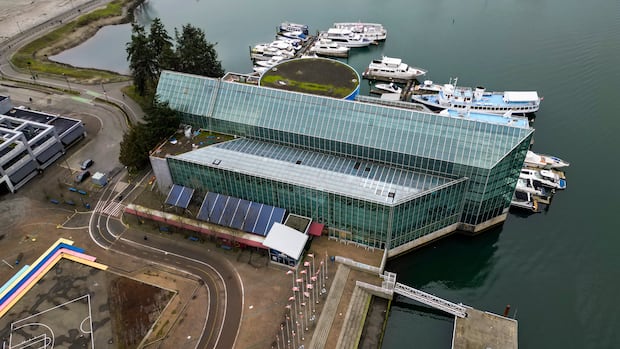
Why the Plaza of Nations Still Haunts Vancouver
Four decades after Expo 86 lit up the city, the Plaza of Nations remains an underused relic on the North Shore. Once a bustling hub of international pavilions and concerts, today it sits largely empty, prompting questions about urban planning, heritage preservation, and future potential.
Brief History of the Plaza
Located on the waterfront of False Creek, the Plaza was built as a centerpiece for the 1986 World Exposition. It featured a massive canopy, open-air stages, and spaces for trade shows. After the Expo closed, the site was sold to private developers, who transformed parts of it into a mixed‑use complex while leaving the expansive open area largely untouched.
Key Milestones
- 1986: Expo 86 opens, drawing 22 million visitors.
- 1990s: Partial demolition of pavilions; some structures repurposed.
- 2005: Waterfront redevelopment plan proposes residential towers.
- 2022: Community groups petition for a public park.
Current State: An Underutilized Space
The remaining open field measures roughly 10 acres, but the only regular activities are occasional festivals and occasional skateboarding. The lack of permanent programming leads to three main issues:
- Economic loss: Unused land translates to missed revenue for the city.
- Community disconnect: Residents lack a vibrant gathering place.
- Environmental concerns: Neglected spaces can become habitats for invasive species.
What Experts Say
Urban planners suggest three pathways to revive the Plaza:
1. Transform into a Dedicated Cultural Park
Integrate art installations, interactive exhibits about Expo 86, and performance venues. This would honor the site’s heritage while attracting tourists.
2. Mixed‑Use Development with Public Access
Build low‑rise residential or office towers that include publicly accessible plazas, rooftop gardens, and waterfront promenades.
3. Green Infrastructure Hub
Convert the area into a climate‑resilient park featuring wetlands, rain gardens, and bike paths, supporting Vancouver’s sustainability goals.
How You Can Get Involved
Community engagement is crucial. Here are simple ways to make a difference:
- Join local advocacy groups like "Friends of the Plaza".
- Attend city council meetings on waterfront development.
- Participate in public design workshops hosted by the Vancouver Planning Department.
Conclusion
The Plaza of Nations stands at a crossroads 40 years after Expo 86. Whether it becomes a thriving cultural park, a sustainable green space, or remains an underused lot depends on collaborative vision and decisive action. By understanding its history and exploring realistic redevelopment options, Vancouver can turn a forgotten legacy into a vibrant future.

Comments are closed, but trackbacks and pingbacks are open.