

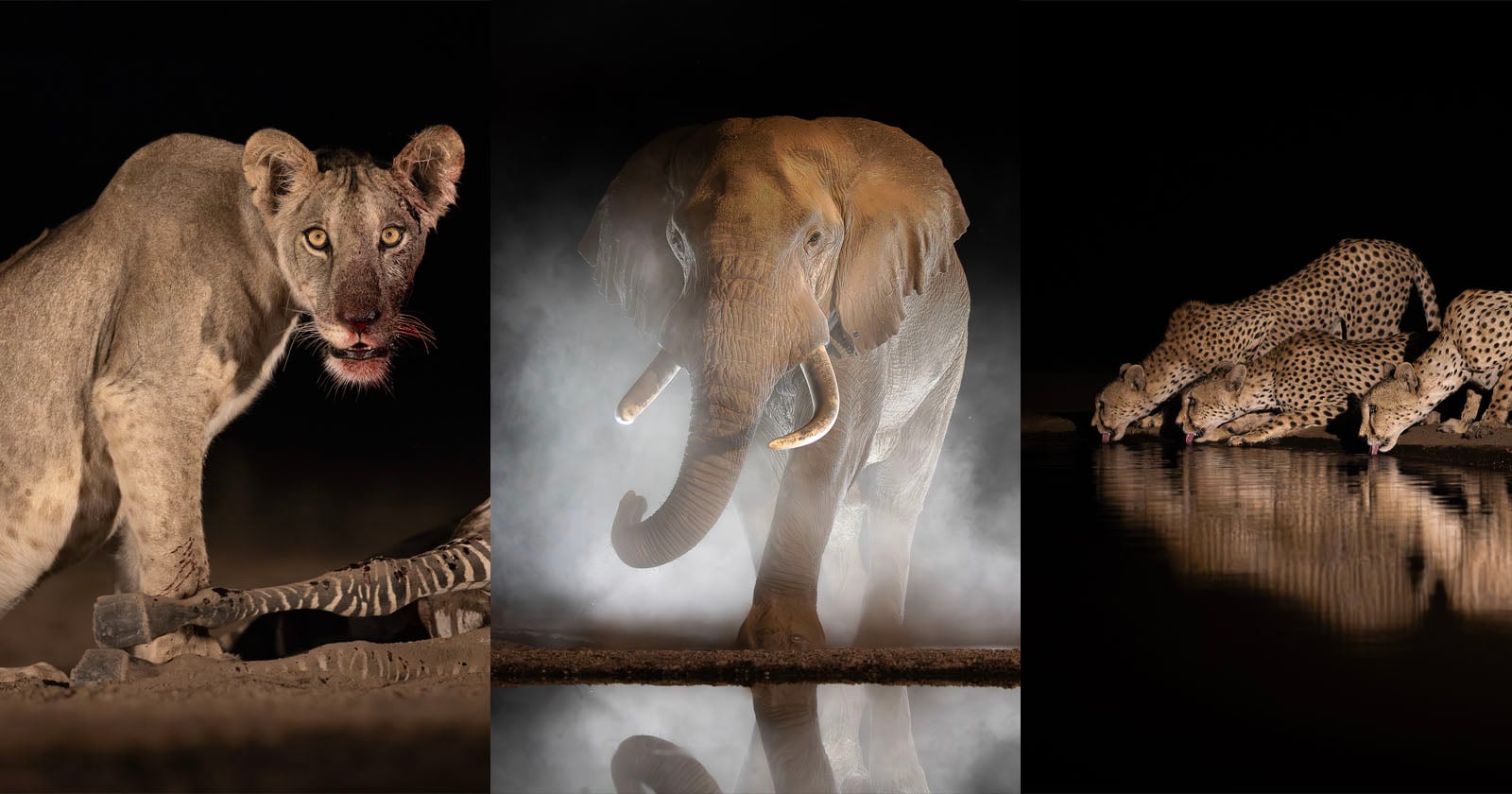
Imagine sitting in silence for 60 straight days, just meters away from a lioness nursing her cubs or a herd of elephants splashing playfully in a watering hole. That’s exactly what a team of professional wildlife photographers did, spending two full months embedded in camouflaged African wildlife hides to capture intimate, never-before-seen close-up shots of some of the continent’s most elusive species.
Their project, which wrapped up last month in Kenya’s Maasai Mara and Tanzania’s Serengeti, breaks the mold of short-term safari photography trips. By staying in hides for extended periods, the team was able to document natural animal behavior that fleeting visitors almost never get to witness.
Why Spend Two Months in an African Wildlife Hide?
Wildlife photography is rarely about luck, and even less so when you’re chasing close-up shots of skittish animals. Most species stick to predictable daily routines, visiting the same watering holes, grazing spots, and breeding grounds for weeks or months at a time.
By camping out in African wildlife hides for two full months, the photographers eliminated the guesswork. They learned exactly when leopards would pass by their hide, what time migrating wildebeests would cross nearby paths, and which trees giraffes favored for afternoon shade.
Ground-level hides, built into termite mounds or dug into the earth and covered with local vegetation, let the team capture eye-level shots of animals that normally tower over human observers. Elevated hides, perched in acacia trees, gave them unobstructed views of herds moving across the savanna.
The Real Challenges of Long-Term Hide Photography
It’s not all stunning sunsets and adorable animal cubs. Spending two months in a small, enclosed hide comes with a unique set of hurdles that most casual photographers never face.
- Extreme temperature swings: Daytime temperatures inside the hides often hit 40°C, while nights drop to near freezing with no heating available.
- Strict movement limits: Photographers can’t leave the hide for 8–12 hours at a stretch to avoid startling nearby animals, even for bathroom breaks.
- Equipment wear and tear: Dust, humidity, and constant lens adjustments take a toll on camera gear, with multiple lenses needing repairs mid-trip.
- Social isolation: With limited cell signal and no visitors for weeks, the team had to rely on each other for morale during slow periods.
Standout Shots from the 2-Month Project
The photographers came away with over 12,000 raw images, but a few standout close-up shots have already gone viral among wildlife enthusiasts:
- A rare black rhino calf nuzzling its mother, captured just 3 meters from the hide doors.
- A female leopard dragging a fresh kill up a tree at dawn, her spots perfectly camouflaged against the bark.
- A spotted hyena clan playing and wrestling just feet from the ground-level hide, unaware of the cameras mere meters away.
- Migratory bee-eaters landing directly on the roof of the elevated hide, giving the team crystal-clear close-up shots of their bright plumage.
Tips for Aspiring Wildlife Hide Photographers
Inspired to try African wildlife hide photography yourself? The team shared 5 actionable tips for beginners and intermediate photographers looking to level up their close-up shots:
- Research your location first: Study animal movement patterns, peak watering hole times, and local breeding seasons before booking your trip. This cuts down on wasted time and increases your chances of unique shots.
- Invest in weather-sealed gear: You’ll need a telephoto lens with at least 200mm focal length, a dust-resistant camera body, and 3x extra batteries per day of shooting.
- Pack for comfort: Bring a high-density foam cushion, high-energy snacks, 3L of water per person per day, and strong insect repellent. You’ll be sitting still for hours at a time.
- Practice radical patience: Don’t force shots or bait animals to get a reaction. Wait for natural behavior to capture authentic, ethical close-up images.
- Prioritize wildlife safety: Never make loud noises, use flash photography, or leave trash in or near hides. Follow all local conservation rules to protect the animals you’re photographing.
Why These Close-Up Shots Matter
Beyond their aesthetic value, the team’s close-up images are already making a real impact for African wildlife conservation. 20% of all print sales from the project will go directly to local anti-poaching patrols in the Maasai Mara.
“These shots show animals as they really are, not the stylized versions you see in short safari highlight reels,” said lead photographer Mia van der Westhuizen. “When people see a close-up of a rhino calf’s wrinkled skin or a hyena’s playful grin, they care more about protecting them. That’s the power of long-term wildlife hide work.”
Final Thoughts
Two months in a small, hot hide is no vacation, but for this team of photographers, the results speak for themselves. Their close-up shots offer a rare, unfiltered look at African wildlife that’s usually hidden from human eyes.
Keep an eye out for their upcoming exhibition, Hidden Africa, which opens next month in Nairobi before touring Europe and North America. Whether you’re a budding photographer or just an animal lover, their work is a reminder that patience and respect for nature always yield the most breathtaking rewards.

Comments are closed, but trackbacks and pingbacks are open.