

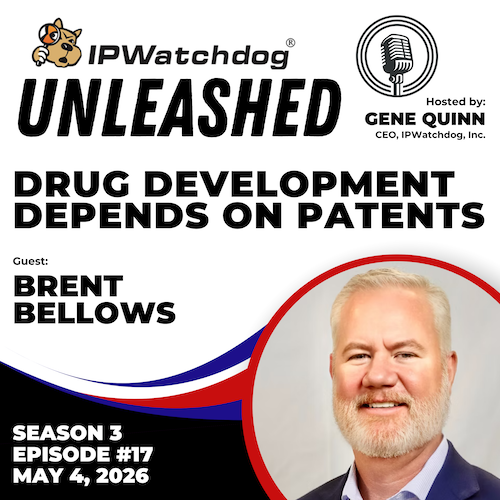
Patents, Drug Prices, Clinical Trials and the Economics of Medicine: A Beginner’s Guide
You’ve probably winced at the cost of a prescription drug, or wondered why a new cancer treatment takes a decade to reach pharmacy shelves. Behind every pill price tag and clinical trial result lies a complex web of patents, regulatory hurdles, and economic tradeoffs that shape modern medicine. This breakdown, inspired by insights from IPWatchdog Unleashed, cuts through the jargon to explain how these forces interact – and what they mean for patients, innovators, and the public.
What Role Do Patents Play in Medicine Economics?
Pharmaceutical companies rely on patents to recoup the massive costs of developing new treatments. A standard utility patent gives innovators 20 years of exclusivity from the date of filing – but the clock starts ticking long before a drug ever reaches patients.
Most patents are filed during early pre-clinical research, years before human clinical trials even begin. By the time a drug completes the 10-12 year clinical trial process and gets FDA approval, 10+ years of patent life are already gone. This leaves just 8-10 years of effective market exclusivity to recover R&D costs.
During this exclusivity period, companies can set higher prices for their branded drugs, with no generic competition. Once the patent expires, generic manufacturers can enter the market, typically slashing prices by 80-90% within a year.
The 20-Year Patent Clock: Why Timing Matters
- Patents are filed during early pre-clinical research, years before human trials start.
- Clinical trials typically take 10-12 years to complete, eating into patent exclusivity.
- Once the patent expires, generic manufacturers can enter the market, slashing prices.
- Strong patent enforcement is critical to preventing counterfeit drugs, a key focus of IPWatchdog Unleashed coverage.
How Clinical Trials Drive Up (and Sometimes Lower) Drug Prices
The average cost to develop a new drug that wins FDA approval is now estimated at $1.3 billion, according to industry data. A huge portion of that cost comes from failed clinical trials: only 1 in 10 drugs that enter phase 1 trials ever make it to market.
This high failure rate means the price of successful drugs must cover not just their own R&D, but the cost of 9 failed candidates that never generate revenue. Rare disease treatments (orphan drugs) face even higher per-patient costs, as small patient pools make it harder to spread out R&D expenses.
The Clinical Trial Phase Breakdown: Where Most Drugs Fail
- Phase 1: Tests safety in small groups of healthy volunteers. Roughly 70% of drugs pass this phase.
- Phase 2: Tests efficacy and side effects in hundreds of patients. Only 33% of drugs advance to phase 3.
- Phase 3: Compares the new drug to existing treatments in thousands of patients. Just 25-30% pass this stage.
- FDA Review: Final review of trial data for approval. 90% of submitted drugs receive approval.
Why Drug Prices Stay High: Patents, Policy, and Controversy
Even with patent exclusivity periods lasting under a decade, many branded drugs maintain high prices years after launch. This is often due to a combination of patent strategies and policy gaps.
Some companies use "evergreening" – filing secondary patents for new drug formulations, delivery methods, or minor tweaks – to extend exclusivity beyond the original patent’s expiration. Overlapping "patent thickets" make it difficult for generic manufacturers to navigate the legal landscape and enter the market.
Policy also plays a role: in the U.S., Medicare is prohibited from negotiating drug prices directly with manufacturers, leading to higher prices than in countries with centralized price negotiations. IPWatchdog Unleashed has covered multiple legislative efforts to reform this system in recent years.
Patent Thickets and Evergreening: The IP Debate
Proponents of evergreening argue it incentivizes ongoing innovation, such as developing easier-to-take pill formulations for patients. Critics say it stifles generic competition and keeps prices artificially high for years longer than intended by original patent laws.
IPWatchdog Unleashed has highlighted several high-profile patent disputes where generic manufacturers challenged these secondary patents, with mixed outcomes for consumers and innovators alike.
Balancing Innovation and Patient Access: The Future of Medicine Economics
The core tension in medicine economics is clear: high drug prices fund the R&D needed to develop life-saving treatments, but they also limit access for low-income patients and underfunded healthcare systems.
Potential solutions gaining traction include tiered pricing (lower prices for low-income countries), patent pools for essential medicines, and shorter exclusivity periods for drugs that treat non-life-threatening conditions. None of these fixes are simple, as they require balancing the interests of innovators, patients, and policymakers.
What This Means for You
Understanding how patents, clinical trials, and pricing interact helps you advocate for policy changes that improve access without stifling innovation. For innovators, staying on top of patent law updates – like those covered regularly on IPWatchdog Unleashed – is critical to navigating the complex pharmaceutical landscape.
The economics of medicine are far from simple, but the link between patents, clinical trials, and drug prices is undeniable. As policy debates continue to evolve, staying informed about these interconnected forces will help everyone from patients to pharmaceutical executives make better decisions. For more deep dives into IP law, drug pricing, and clinical trial policy, follow IPWatchdog Unleashed for regular expert insights.

Comments are closed, but trackbacks and pingbacks are open.