

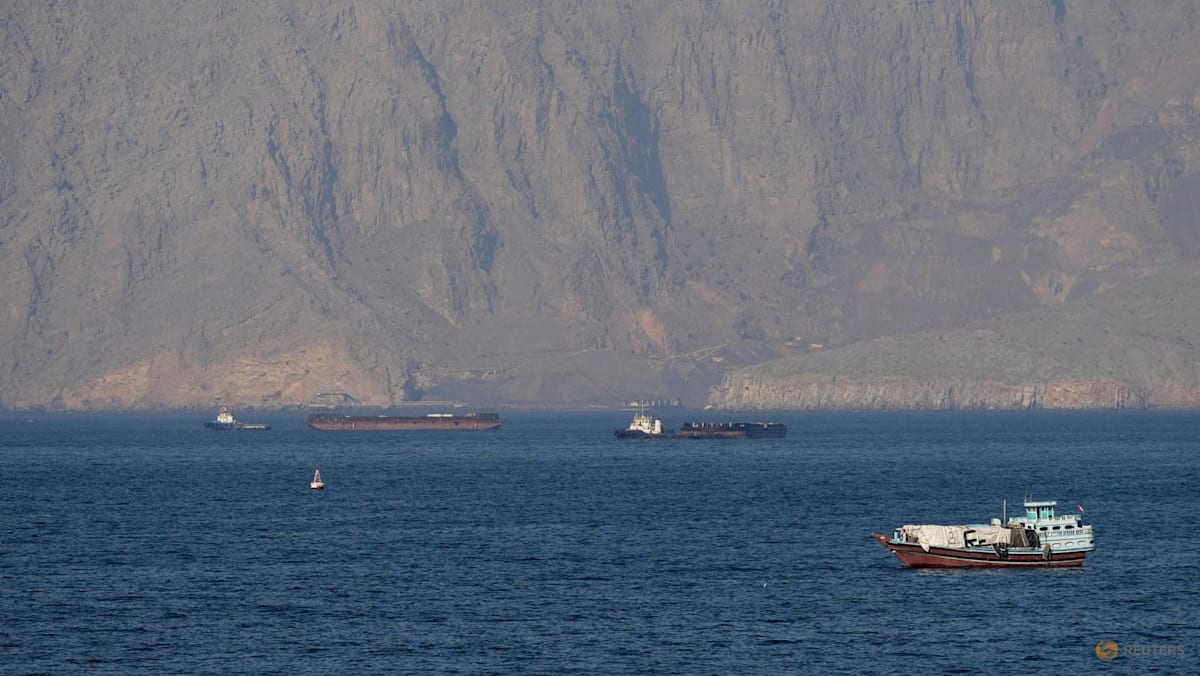
Oil markets reacted sharply on Tuesday as President Donald Trump announced that the United States would intervene to free commercial vessels stuck in the Strait of Hormuz. The statement eased geopolitical tension, prompting a noticeable drop in global crude prices.
Why the Strait of Hormuz Matters to Oil Traders
The 21‑mile waterway connects the Persian Gulf to the Arabian Sea and handles roughly 20% of the world’s daily oil supply. Any disruption—whether from conflict, piracy, or a naval blockade—creates immediate supply‑side anxiety, driving prices higher.
Key factors that amplify the Strait’s impact
- Geographic choke point: A narrow passage limits the number of ships that can pass simultaneously, amplifying the effect of any blockage.
- Major exporters: Saudi Arabia, Iran, Iraq and the United Arab Emirates ship the bulk of their crude through this route.
- Strategic military presence: Both the US Navy and regional forces maintain a constant watch, turning any incident into a potential flashpoint.
Trump’s Announcement: What Was Said?
During a press conference at the White House, President Trump stated, “We are sending the necessary resources to get those vessels moving again. The United States will not stand by while global trade is held hostage.” The remarks were accompanied by a promise to deploy additional naval assets, including a carrier strike group, to the region.
Immediate market response
Within minutes of the announcement, benchmarks such as Brent Crude and West Texas Intermediate (WTI) fell by roughly 1.2% and 1.5% respectively. The price dip reflected traders’ optimism that the US presence would restore the flow of oil and reduce supply‑risk premiums.
How the Price Drop Affects Different Stakeholders
Consumers and gasoline prices
Lower crude prices typically translate into cheaper gasoline at the pump, though the effect may be delayed by refining margins and regional taxes.
Investors and energy stocks
Energy companies with exposure to Middle‑East production saw their shares retreat, while oil‑service firms that benefit from increased shipping activity experienced modest gains.
Policy makers and geopolitics
The announcement signals a more assertive US stance, potentially deterring future attempts by regional actors to use the Strait as leverage.
What Could Still Cause Volatility?
Even with the US pledge, several risk factors remain:
- Iranian retaliation: Tehran may respond with missile strikes or asymmetric tactics, reigniting supply fears.
- Accidents or mechanical failures: An unrelated ship collision could again block the narrow channel.
- Sanctions and diplomatic fallout: Ongoing US‑Iran tensions could affect oil flows beyond the Strait.
Bottom Line
The president’s promise to help free stranded vessels in the Strait of Hormuz has already provided a short‑term calm in the oil market, pulling prices down and offering relief to consumers. However, the region’s inherent volatility means traders should stay vigilant for any new developments that could swing sentiment again.
Key Takeaways
- Oil prices slipped ~1.3% after Trump’s US‑aid pledge.
- The Strait of Hormuz handles ~20% of global oil, making it a critical price driver.
- Potential risks—Iranian retaliation, accidents, sanctions—remain and could reverse the gains.

Comments are closed, but trackbacks and pingbacks are open.