

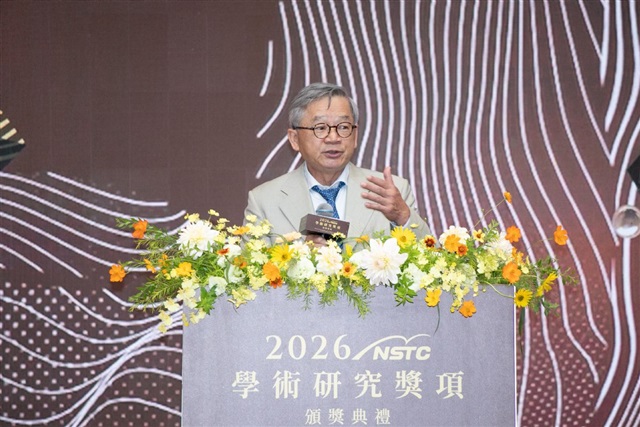
Taiwan is doubling down on its artificial intelligence ambitions with a major new government-led initiative. This week, the National Science and Technology Council (NSTC) announced the formation of a dedicated task force to steer the development of homegrown multimodal AI foundation models – a move set to reshape the region’s tech landscape.
What Is the New NSTC Task Force?
The NSTC, Taiwan’s top government body for science and technology policy, launched the task force to centralize and accelerate multimodal AI foundation model development across the region.
It brings together leading experts from academia, domestic tech firms, and government agencies, with a clear mandate to cut through silos and align local AI efforts with global technical standards.
Core Responsibilities of the Task Force
- Set technical roadmaps for Taiwan multimodal AI foundation model development aligned with global best practices
- Allocate targeted funding and computing resources to high-potential local AI research projects
- Foster cross-sector collaboration between Taiwan’s top universities, semiconductor firms, and international AI partners
- Establish ethical guidelines and data governance frameworks for safe, transparent AI model training
- Support commercialization of locally developed foundation models for both domestic and export markets
Why Multimodal AI Foundation Models Matter for Taiwan
Multimodal AI foundation models can process and generate multiple types of data – including text, images, audio, and video – in a single unified system. Pre-trained on massive datasets, these models can be fine-tuned for a wide range of specialized tasks at a fraction of the cost of building custom AI from scratch.
For Taiwan, developing its own Taiwan multimodal AI foundation model lineup addresses a critical gap: current reliance on overseas AI providers leaves local firms exposed to supply chain risks and limits customization for regional needs.
Key sectors set to benefit include smart manufacturing, precision healthcare, and smart city infrastructure – all areas where Taiwan already holds strong global competitive advantages.
Key Advantages of Local Multimodal AI Development
- Reduce reliance on foreign AI providers, cutting geopolitical and supply chain risks
- Customize models for Taiwan’s unique Mandarin dialects, cultural context, and industry-specific requirements
- Create thousands of high-value jobs for AI researchers, data engineers, and ethics specialists
- Strengthen Taiwan’s position in the global AI supply chain amid intensifying tech competition
Broader Implications for Taiwan’s Tech Ecosystem
The task force initiative complements Taiwan’s existing AI Action Plan, which has already allocated over NT$30 billion to AI research and infrastructure since 2020.
It also leverages Taiwan’s unrivaled semiconductor ecosystem: pairing locally developed foundation models with world-leading AI chips from firms like TSMC and MediaTek creates a full-stack AI advantage few regions can match.
Talent development is another core focus: the task force will partner with universities to launch new AI degree programs and retraining initiatives to address the global AI talent shortage.
What’s Next for the Task Force?
NSTC officials confirmed the task force will release its first 12-month technical roadmap by Q4 2024, with initial pilot projects targeting industrial AI applications in Taiwan’s manufacturing hub.
Public hearings will be held in major cities across Taiwan starting in September 2024, to gather input from small businesses, researchers, and the general public on priority use cases for new AI models.
Conclusion
The formation of NSTC’s dedicated task force marks a pivotal turning point for Taiwan’s AI development. By prioritizing locally built Taiwan multimodal AI foundation model systems, the region is not just advancing cutting-edge tech – it’s securing long-term tech sovereignty and global competitiveness.
For local businesses, researchers, and tech workers, this initiative opens up new opportunities to collaborate, innovate, and shape the future of artificial intelligence on Taiwan’s own terms.

Comments are closed, but trackbacks and pingbacks are open.