

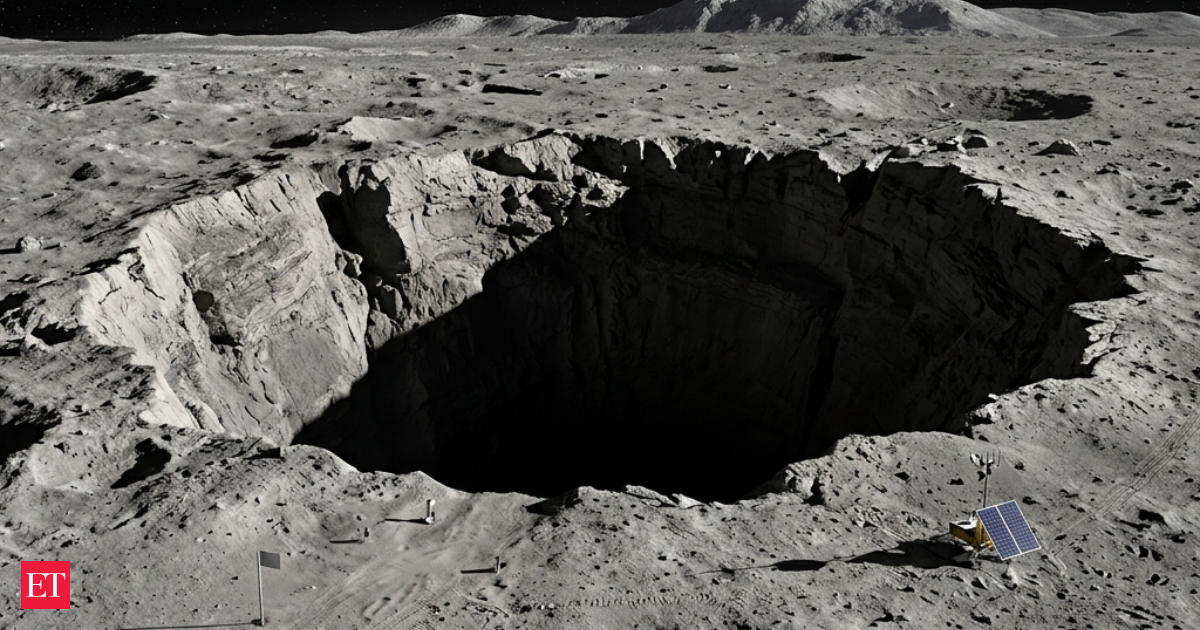
Imagine stepping onto the Moon’s barren surface and finding a natural, cavernous haven that shields you from radiation, micrometeoroids, and extreme temperature swings. That haven exists today—deep beneath the lunar regolith—as ancient lava tubes. Scientists and space architects are now racing to turn these subterranean highways into the most viable habitats for the next generation of astronauts.
Why Lava Tubes Are a Game‑Changer
Lava tubes are tunnels formed when molten lava flows beneath a hardened crust and later drains away, leaving a hollow passage. On the Moon, these structures can be hundreds of meters wide and several kilometers long, offering:
- Radiation protection: Up to 10 meters of regolith overhead can reduce harmful cosmic rays by over 95%.
- Thermal stability: Inside a tube, temperatures stay around -20°C to 20°C, eliminating the need for massive heating or cooling systems.
- Micrometeoroid shielding: The solid rock roof absorbs impacts that would otherwise puncture surface habitats.
- Space‑efficient layout: The natural curvature provides structural support, reducing the amount of construction material required.
How Engineers Plan to Convert Tubes Into Habitats
1. Mapping & Validation
Before any construction, missions like NASA’s LRO and the upcoming Luna 30 rover will create high‑resolution 3‑D maps. LiDAR and ground‑penetrating radar will confirm tube dimensions, structural integrity, and potential hazards.
2. In‑situ Resource Utilization (ISRU)
Materials from the surrounding regolith can be processed into:
- 3D‑printed support panels.
- Radiation‑blocking walls using basalt‑derived concrete.
- Oxygen‑producing electrolyzers for life‑support.
3. Habitat Modules
Modular habitats will be compressed for launch and then expanded inside the tube. Key design features include:
- Inflatable outer shells that lock onto the tube’s walls.
- Redundant airlock systems to maintain pressure.
- Integrated solar arrays on the tube entrance for power.
Challenges Still Ahead
While lava tubes offer unparalleled protection, several hurdles remain:
- Access points: Engineers must drill or excavate safe entrances without destabilizing the tube.
- Dust mitigation: Lunar regolith is abrasive; any equipment entering the tube must be sealed.
- Psychological factors: Living underground may affect crew morale; design must include natural lighting simulations and communal spaces.
Future Missions Targeting Lava Tubes
Key programs include:
- NASA Artemis 4 (2029): Planned to deploy a robotic probe to explore the Mare Ingenii lava tube.
- ESA’s Moon Village concept: Envisions a permanent settlement using multiple lava tubes as interconnected habitats.
- China’s Chang’e 7: Will map the South Pole‑Aitken basin, a region rich in potential tube networks.
Conclusion
Moon lava tubes could become the cornerstone of sustainable lunar exploration. By leveraging natural shielding, ISRU, and modular habitat technology, space agencies are turning what was once a geological curiosity into a thriving, protected home for humanity’s next giant leap.

Comments are closed, but trackbacks and pingbacks are open.