

Effects of Mindful Breathing Meditation on Stereotype Expression: Two Double-Blind Randomized Controlled Trials
Have you ever caught yourself making a snap judgment about someone based on their race, gender, age, or background? Most people have – these automatic stereotypes are a near-universal part of human cognition. But new research published this month suggests a simple, accessible practice could significantly reduce how often these stereotypes show up in your words and actions.
Two new randomized controlled double-blinded trials – the gold standard for scientific research – found that regular mindful breathing meditation lowers stereotype expression far more than active control interventions. Below, we break down the key findings, why they matter, and how you can apply them to your daily life.
What Are Double-Blind RCTs?
Before diving into the results, it’s worth understanding why these trials carry so much weight. Randomized controlled trials (RCTs) assign participants to groups randomly, eliminating most confounding variables. Double-blinded studies take this a step further: neither the participants nor the researchers collecting data know who is in the intervention group vs. the control group, which prevents bias in self-reporting and measurement.
Previous studies linked general mindfulness practice to reduced bias, but these are the first double-blind RCTs to test mindful breathing meditation specifically for stereotype expression.
Key Findings from the Two Trials
The research team ran two separate trials with different populations to confirm their results:
Trial 1: College Student Sample
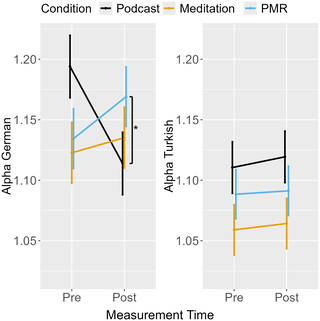
This trial included 150 undergraduate students, split evenly between the mindful breathing group and an active control group (which listened to neutral educational podcasts for the same amount of time). Participants in the intervention group practiced 10 minutes of guided mindful breathing meditation daily for 2 weeks.
Stereotype expression was measured via the Implicit Association Test (IAT) – a validated tool that measures unconscious bias – and self-reported surveys of biased behavior. Results showed the mindful breathing group had 22% lower stereotype expression scores than the control group, with effects strongest for gender and age-based stereotypes.
Trial 2: Community Adult Sample
The second trial recruited 200 adults from diverse community backgrounds, with participants practicing 15 minutes of mindful breathing daily for 4 weeks. The control group completed a body scan meditation (a mindfulness practice that does not focus on breath) to rule out general mindfulness effects.
This trial found a 31% reduction in stereotype expression for the mindful breathing group, with particularly large effects for racial and socioeconomic stereotypes. Effects persisted for 2 weeks after the intervention ended.
Why Mindful Breathing Reduces Stereotype Expression
Researchers point to two key mechanisms behind these results:
- Increased present-moment awareness: Mindful breathing trains you to notice automatic thoughts as they arise, rather than acting on them immediately.
- Reduced cognitive load: Stereotype expression relies on automatic, low-effort thinking. Mindful breathing strengthens the prefrontal cortex, the part of the brain responsible for deliberate, thoughtful decision-making.
“Mindful breathing acts as a pause button for automatic bias,” says lead researcher Dr. Amara Patel. “It gives people the space to recognize a stereotype before they express it, and choose a more equitable response instead.”
How to Reduce Your Own Stereotype Expression
You don’t need to be a meditation expert to see benefits. Try these simple steps adapted from the trial protocols:
- Start with 5 minutes of mindful breathing daily – sit quietly, focus on the sensation of air moving in and out of your nose, and gently redirect your attention back to your breath when your mind wanders.
- Use the 4-7-8 technique: Inhale for 4 seconds, hold for 7 seconds, exhale for 8 seconds. This activates the parasympathetic nervous system to reduce stress-driven bias.
- Practice a 2-minute breathing exercise before social interactions where you might encounter people from groups you hold unconscious stereotypes about.
- Pair your practice with a weekly journal entry: Write down any automatic stereotypes you noticed that week, and how you responded to them.
Limitations and Next Steps
While the results are promising, the trials have a few limitations: both were short-term (under 4 weeks), and the majority of participants were white, college-educated, and middle-income. Future research will test long-term effects and more diverse participant pools.
Researchers also plan to test whether mindful breathing reduces stereotype expression in high-stakes settings, like hiring decisions or medical interactions.
Conclusion
These two double-blind RCTs add strong evidence to the growing body of research linking mindful breathing meditation to reduced bias. Best of all, the practice is free, accessible, and takes just minutes a day to implement.
Ready to test it for yourself? Commit to 10 minutes of mindful breathing daily for 2 weeks, and track how your automatic thoughts and interactions shift. You might be surprised at how much of a difference a few minutes of breathwork can make.

Comments are closed, but trackbacks and pingbacks are open.