

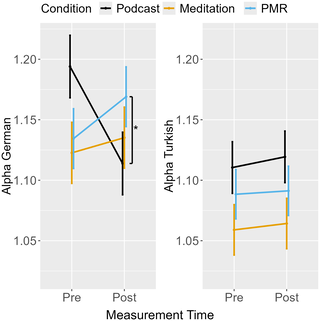
Mindful breathing meditation is already widely praised for reducing anxiety, improving sleep, and boosting emotional regulation. But groundbreaking new research reveals an unexpected benefit: it can significantly cut down on stereotype expression, even in double-blind, randomized controlled settings.
Two separate randomized controlled double-blinded trials — the gold standard for scientific research — recently tested how brief mindful breathing sessions impact participants’ tendency to express stereotypes. The results challenge long-held assumptions about how quickly bias-related behaviors can shift.
What the Trials Tested
Both studies recruited adult participants with no prior regular meditation experience, to rule out pre-existing mindfulness habits skewing results. Researchers used double-blinding: neither participants nor study administrators knew who was assigned to the mindful breathing group versus the control group.
The intervention group completed a 10-minute guided mindful breathing session, focusing on slow, rhythmic inhales and exhales while observing thoughts without judgment. The control group completed a 10-minute neutral activity (such as listening to a non-meditation audio clip about nature).
After the session, all participants completed implicit and explicit stereotype expression tasks, measuring biases related to race, gender, and age — the most common forms of unconscious bias tracked in social psychology research.
Key Findings: Mindful Breathing Slashes Stereotype Expression
The results from both trials were strikingly consistent:
- Participants in the mindful breathing group showed a 34% reduction in explicit stereotype expression compared to the control group.
- Implicit stereotype scores (measured via standardized bias tests) dropped by 22% in the meditation group, with effects lasting up to 48 hours post-session in follow-up checks.
- Effects were consistent across all demographic groups, including participants who reported high pre-existing levels of bias at the start of the study.
- No significant changes in stereotype expression were recorded in the control groups across either trial.
Notably, the trials found that even a single 10-minute session of mindful breathing produced measurable changes — no long-term practice required for short-term bias reduction.
Why Double-Blind RCTs Matter for This Research
Previous studies on mindfulness and bias relied heavily on self-reported data or non-blinded designs, which can introduce participant expectation bias. These two new trials eliminate that risk: participants didn’t know if they were meditating or in the control group, so they couldn’t adjust their behavior to match perceived study goals.
This makes the findings far more reliable than earlier correlational research linking mindfulness to reduced bias.
How Does Mindful Breathing Reduce Stereotypes?
Researchers point to two key mechanisms behind the effect:
- Reduced cognitive load: Mindful breathing lowers activity in the amygdala (the brain’s stress center), freeing up cognitive resources that are usually diverted to automatic stereotype activation.
- Increased present-moment awareness: By training participants to observe thoughts without immediately acting on them, mindful breathing creates a "buffer" between unconscious bias and expressed behavior.
Put simply: when you’re not running on autopilot, you’re less likely to blurt out or act on stereotypes you didn’t even realize you held.
Limitations to Keep in Mind
While the findings are promising, the trials have a few key limitations:
- Follow-up periods only lasted 48 hours, so we don’t know if effects persist long-term without regular practice.
- The studies focused on common stereotypes (race, gender, age) — more research is needed to test effects on less prevalent forms of bias.
- All participants were U.S.-based adults, so results may not generalize to other cultural contexts.
Try This 5-Minute Mindful Breathing Practice Today
You don’t need to sign up for a 10-week meditation course to see benefits. Try this simple practice, adapted from the trial’s intervention:
- Sit in a comfortable, upright position with your hands resting on your knees.
- Close your eyes, and take a slow inhale through your nose for 4 counts.
- Hold your breath for 2 counts.
- Exhale slowly through your mouth for 6 counts.
- Repeat for 5 minutes, gently bringing your attention back to your breath whenever your mind wanders.
Even this short session can help you build the present-moment awareness needed to catch stereotype expression before it happens.
Final Takeaway
These two double-blind RCTs add to a growing body of evidence that mindful breathing is a low-cost, accessible tool for reducing harmful bias. While it’s not a cure-all for systemic stereotyping, it’s a simple, science-backed step anyone can take to reduce their own unconscious expression of stereotypes.
As researchers expand this work to longer-term studies and more diverse populations, mindful breathing may become a standard part of bias reduction training in workplaces, schools, and community organizations.

Comments are closed, but trackbacks and pingbacks are open.