
LRQA Highlights Shift from Compliance-Led Security to Continuous Assurance at BrisSEC AISA 2026

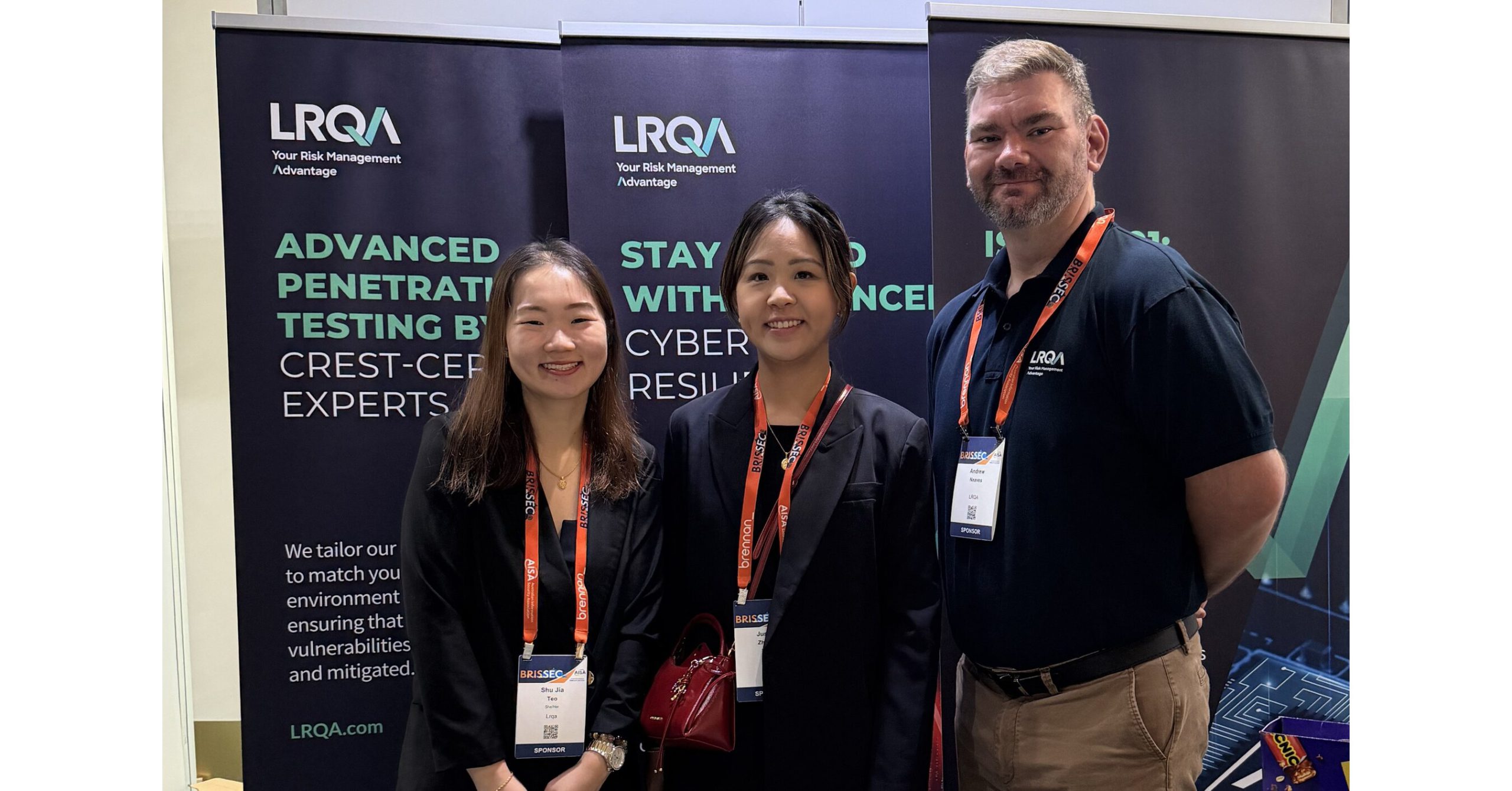
The cybersecurity landscape is evolving rapidly, and traditional approaches are no longer enough to protect organizations from sophisticated threats. At the recent BrisSEC AISA 2026 conference in Brisbane, LRQA sparked important conversations about a fundamental shift in how businesses approach security and compliance.
The End of Compliance-Only Security
For decades, organizations have relied heavily on compliance-led security frameworks. This approach focuses on meeting regulatory requirements and checking boxes during annual audits.
However, this reactive model has significant limitations:
- Point-in-time assessments that miss real-time threats
- High costs associated with frequent audit cycles
- Limited visibility into ongoing security posture
- Risk gaps between compliance checks
Introducing Continuous Assurance
Continuous assurance represents a proactive approach to security management. Rather than periodic compliance checks, this model provides ongoing monitoring and validation of security controls.
Key characteristics include:
- Real-time monitoring of security controls and processes
- Automated evidence collection for audit readiness
- Integrated risk management across the entire organization
- Predictive analytics to identify potential vulnerabilities
Benefits of Continuous Assurance
Organizations adopting continuous assurance see measurable improvements:
- Reduced audit fatigue through automation and streamlined processes
- Faster threat detection with 24/7 monitoring capabilities
- Lower operational costs from eliminating redundant compliance activities
- Enhanced stakeholder confidence through transparent reporting
LRQA’s Vision for Modern Security
During their presentation at BrisSEC AISA 2026, LRQA emphasized that the future of cybersecurity lies in building resilient systems rather than just meeting minimum standards.
This shift requires organizations to:
- Move beyond checkbox compliance mentality
- Invest in intelligent security automation
- Develop predictive risk management capabilities
- Create culture of continuous improvement
Industry Implications
The transition to continuous assurance isn’t just about technology—it’s a fundamental change in how organizations think about risk and security.
Key considerations for businesses:
- Leadership commitment to drive cultural change
- Technology investment in integrated security platforms
- Staff training on new processes and tools
- Phased implementation to manage risk during transition
Looking Forward
As cyber threats become more sophisticated, the industry must evolve beyond traditional compliance models. Continuous assurance offers a pathway to more robust, responsive, and cost-effective security management.
Organizations that embrace this shift early will be better positioned to navigate the complex digital landscape of tomorrow while maintaining stakeholder trust and regulatory compliance.

Comments are closed, but trackbacks and pingbacks are open.