

Lower Extremity Injury Prevention for Female, Woman, and Girl Athletes
Female athletes face a disproportionately high risk of lower extremity injuries: research shows women and girls are 2 to 8 times more likely to tear their ACL (anterior cruciate ligament) than male counterparts, with ankle sprains and knee pain ranking as top reasons for missed playtime across all age groups. Whether you’re a parent of a young girl athlete, a teen competing in high school sports, or an adult woman training for a marathon, targeted lower extremity injury prevention strategies can cut your risk of sidelining injuries by up to 50%. This guide breaks down actionable, science-backed steps to keep female athletes of all ages healthy and active.
Why Are Female Athletes at Higher Risk for Lower Extremity Injuries?
Several biological and biomechanical factors contribute to higher injury rates for women and girls:
- Anatomical differences: A wider pelvis creates a larger quadriceps angle (Q-angle), which puts extra stress on the knees during jumping, cutting, and landing.
- Hormonal influences: Fluctuations in estrogen can increase ligament laxity, making joints more prone to sprains and tears, especially during the menstrual cycle.
- Muscle imbalances: Many female athletes have stronger quadriceps than hamstrings, which destabilizes the knee joint. Weak glute muscles also contribute to poor alignment during movement.
- Biomechanical patterns: Women and girls are more likely to land from jumps with straight knees and inward-collapsing knees, a movement pattern that drastically increases ACL injury risk.
Most Common Lower Extremity Injuries for Female Athletes
Lower extremity injuries affect the hips, knees, ankles, and lower legs. The most prevalent issues for female athletes include:
- ACL tears: Often occur during non-contact movements like pivoting or landing, requiring surgery and 6-12 months of recovery for most athletes.
- Ankle sprains: The most common sports injury overall, with female athletes 25% more likely to suffer recurrent sprains than males.
- Patellofemoral pain syndrome (runner’s knee): Caused by misalignment of the kneecap, leading to pain during running, squatting, or climbing stairs.
- Shin splints and stress fractures: Overuse injuries common in runners and athletes who train on hard surfaces, often linked to inadequate bone density or improper footwear.
Actionable Prevention Strategies for All Female Athletes
These evidence-based steps work for girls, teens, and adult women across all sports:
1. Prioritize Neuromuscular Warm-Up Programs
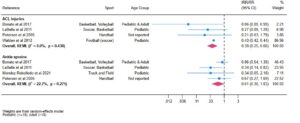
Standard static stretching before activity does little to prevent injuries. Instead, use structured neuromuscular training programs like FIFA 11+ or the ACL Prevention Project, which reduce lower extremity injury risk by 30-50%. These programs include:
- Dynamic stretches (leg swings, high knees, butt kicks)
- Plyometric drills (box jumps, lateral hops) to practice proper landing mechanics
- Balance and proprioception training (single-leg stands, BOSU ball exercises)
Aim to complete a 15-20 minute neuromuscular warm-up before every practice and game.
2. Build Lower Extremity Strength
Strength training is non-negotiable for injury prevention. Focus on these key muscle groups:
- Hamstrings and glutes: Deadlifts, glute bridges, and hamstring curls help balance quad strength and stabilize the knee. Strong glutes also correct inward knee collapse during movement.
- Core muscles: Planks, bird-dogs, and anti-rotation exercises improve overall stability and reduce stress on the lower extremities.
- Calf muscles: Calf raises and eccentric heel drops prevent ankle sprains and shin splints.
Teen and adult female athletes should incorporate strength training 2-3 times per week, while younger girls can focus on bodyweight exercises and foundational movement skills.
3. Use Proper Footwear and Support
Worn-out or sport-inappropriate shoes are a leading cause of lower extremity injuries:
- Replace running shoes every 300-500 miles, or every 6 months for regular athletes.
- Use sport-specific footwear (cleats for soccer, court shoes for basketball) that provides adequate ankle support.
- Athletes with a history of ankle sprains should use lace-up braces or kinesiology tape during activity to reduce reinjury risk.
4. Age-Specific Adjustments for Girls, Teens, and Women
Prevention strategies should shift as female athletes age:
- Pre-teen girls: Focus on fun, foundational movement skills (jumping, landing, cutting) rather than intense competition. Avoid early specialization in one sport to reduce overuse injuries.
- Teen athletes: Address growth spurt-related coordination changes and hormonal shifts. Increase strength training volume gradually, and monitor for signs of overtraining during peak puberty.
- Adult women: Prioritize bone density maintenance with weight-bearing exercise and adequate calcium/vitamin D intake. Adjust training volume during pregnancy and postpartum, and prioritize recovery to combat age-related muscle loss.
5. Manage Load and Recovery
Overtraining is a top cause of preventable lower extremity injuries:
- Follow a periodized training plan that includes 1-2 rest days per week and 2-4 weeks of reduced volume every 3-4 months.
- Aim for 7-9 hours of sleep per night to support muscle repair and hormone regulation.
- Never play through sharp pain, swelling, or limited range of motion. Early rest can prevent minor issues from becoming season-ending injuries.
When to Seek Professional Help
If you experience persistent lower extremity pain that lasts more than 3 days, swelling, or instability, consult a sports medicine physician or physical therapist. Early intervention with targeted rehab can get you back to sport faster and prevent long-term joint damage.
Conclusion
Lower extremity injuries don’t have to be an inevitable part of being a female athlete. By implementing neuromuscular training, strength work, proper equipment, and age-appropriate load management, girls, women, and female athletes of all ages can drastically reduce their injury risk and stay in the game longer. Start with one small change this week, whether that’s adding a 15-minute warm-up to your routine or replacing your worn-out running shoes, and build from there.

Comments are closed, but trackbacks and pingbacks are open.