

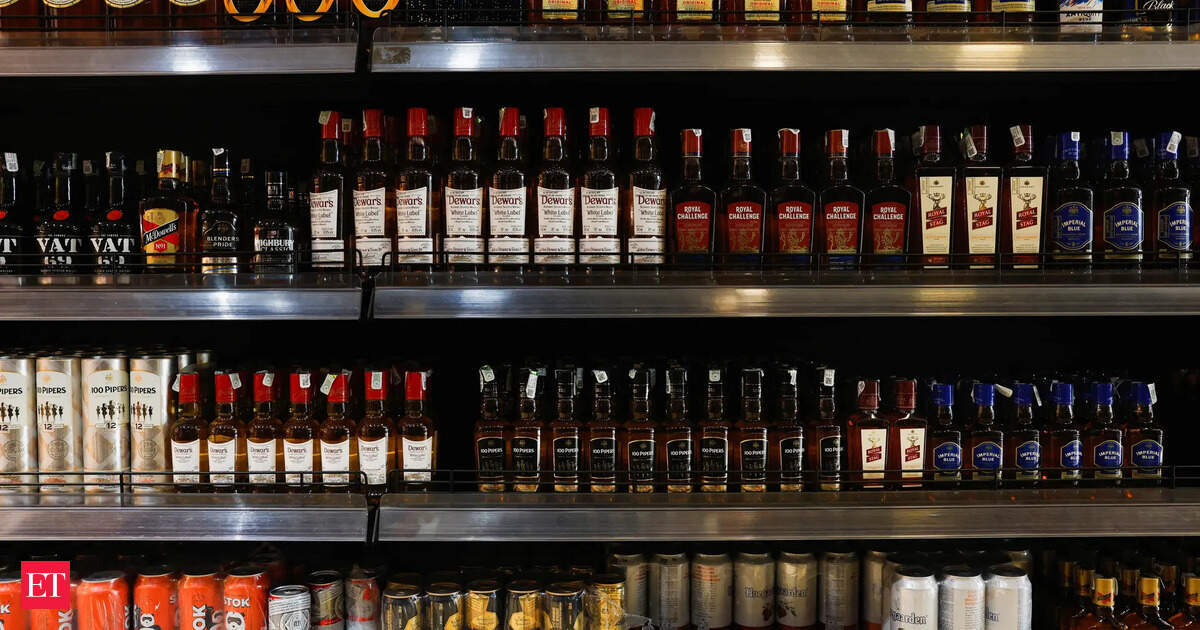
The Karnataka government has unveiled a draft excise policy with a long-term public health focus: reduce alcoholic beverage consumption across the state by 8-9% over the next six years. This marks a departure from traditional excise frameworks that prioritize short-term revenue generation, sparking widespread discussion among health experts, industry players, and citizens.
Why Target Alcohol Consumption?
Karnataka, like many Indian states, faces significant public health and social challenges linked to excessive alcohol use. These include rising cases of liver disease, alcohol-related road accidents, and increased burden on public healthcare systems. The new excise policy aligns with national public health goals to reduce substance abuse and improve overall community well-being.
Health experts note that even a modest 8-9% reduction in consumption can lead to measurable drops in alcohol-linked hospital admissions and fatal accidents over time, making the policy a win for public health even as it poses challenges for the liquor industry.
How Will the Policy Achieve the 6-Year Reduction Target?
While final details of the draft policy are being finalized, the government has indicated it will use a mix of fiscal and regulatory measures to drive the consumption cut. Core expected measures include:
- Higher excise levies on high-alcohol content beverages to make them less affordable
- Strict cap on new retail alcohol licenses to limit access points
- Enhanced enforcement of Karnataka’s legal drinking age of 21, including stricter penalties for underage sales
- Mandatory prominent health warnings on all alcohol packaging and point-of-sale displays
- Restrictions on alcohol advertising across public spaces and digital platforms
- Funding for public awareness campaigns highlighting the risks of excessive alcohol use
These measures are designed to reduce both the affordability and accessibility of alcoholic beverages, two key drivers of consumption rates.
Stakeholder Reactions to the Draft Policy
Reactions to the Karnataka excise policy have been mixed. Public health advocates and medical professionals have welcomed the move, calling it a much-needed step toward reducing the social and health costs of alcohol abuse.
However, alcohol retailers and manufacturers have raised concerns about potential revenue losses, warning that higher taxes could push consumers toward unregulated illicit liquor markets. Industry bodies have urged the government to phase in changes gradually to avoid disrupting the legal supply chain.
What Residents Need to Know
For Karnataka residents, the immediate impact will likely be higher prices for alcoholic beverages as excise levies rise. Over time, stricter license caps may reduce the number of retail outlets in residential areas.
If the policy hits its 8-9% reduction target, residents can expect long-term benefits including lower rates of alcohol-related accidents, reduced public healthcare costs, and safer community spaces.
Conclusion
The Karnataka excise policy’s 6-year consumption cut target reflects a growing shift toward health-first governance in the state. While balancing public health goals with industry revenue concerns will be a challenge, the policy sets a clear roadmap for sustainable, long-term change. Stay tuned for updates as the draft moves through final approvals and implementation begins.

Comments are closed, but trackbacks and pingbacks are open.