

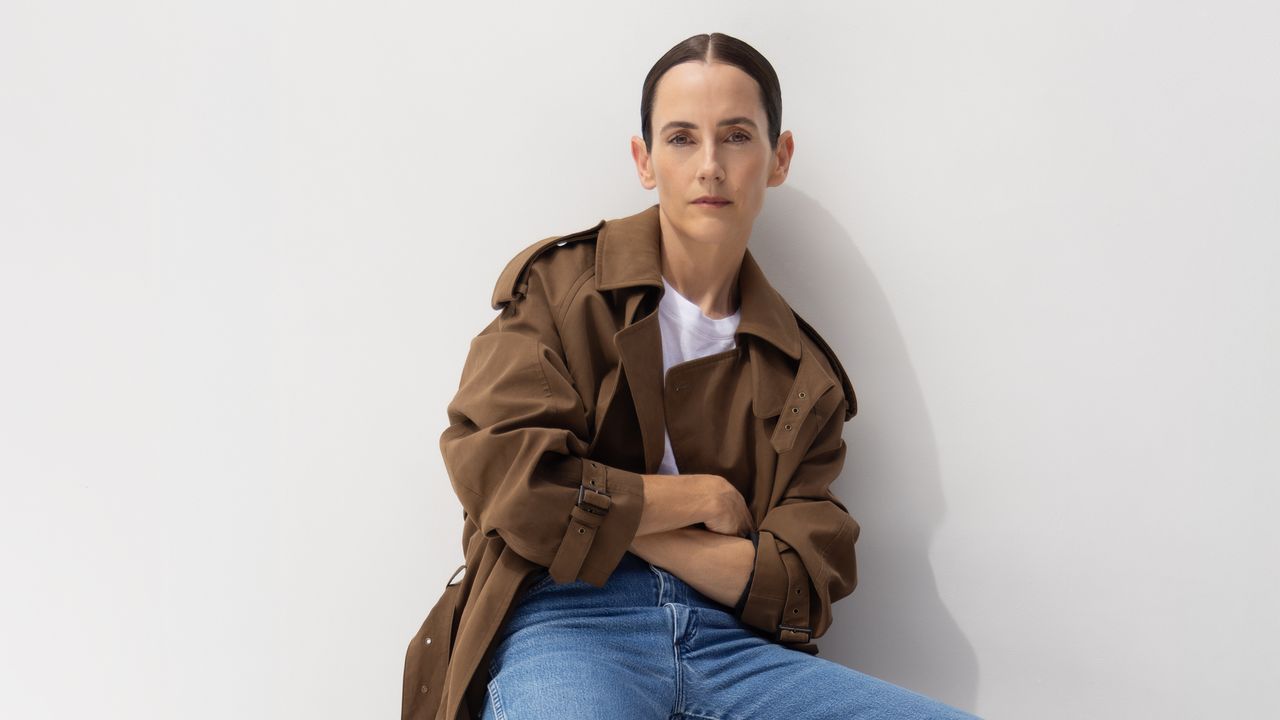
Best-dressed lists have long been a staple of fashion coverage, with outlets ranking celebrity looks from red carpets to street style snapshots. But one of the industry’s most in-demand stylists is walking away from the hype entirely.
Karla Welch, whose client roster includes Justin Bieber, Olivia Wilde, and Ruth Negga, recently revealed she no longer reads best-dressed lists — and her reasoning is sparking much-needed conversation about how we value fashion.
Who Is Karla Welch?
Welch has been a dominant force in celebrity styling for over a decade, known for blending high-fashion edge with approachable, wearable silhouettes. She’s earned accolades including Variety’s Power of Style award, and co-founded the sustainable fashion label KNWLS in 2020.
Her work has graced countless magazine covers and red carpets, making her perspective on industry norms particularly influential for both stylists and fashion fans.
Why She’s Sworn Off Best-Dressed Lists
Welch shared her decision in a recent interview with Vogue, noting that years of working in the industry shifted her view of these rankings. Below are the core reasons she’s stepping back:
The Subjectivity Problem
- Best-dressed lists are entirely subjective, often prioritizing safe, trend-following looks over bold, innovative styling choices.
- They rarely account for the context of a look: a stylist may have worked for weeks on a custom piece that gets overlooked for a more commercially friendly outfit.
- Rankings vary wildly between outlets, making them an unreliable metric for quality or creativity.
Harm to Emerging Talent
Welch points out that best-dressed lists disproportionately highlight looks from major luxury houses, sidelining emerging designers and independent creatives. “If a list only features looks from heritage brands, we’re telling new talent their work doesn’t matter,” she noted.
This creates a cycle where smaller designers struggle to gain visibility, even if their pieces are more innovative than established label offerings.
Toxic Validation Cycles
- Stylists and clients often tie their self-worth to list placements, leading to unnecessary stress and comparison.
- Negative rankings can unfairly damage a stylist’s reputation, even if the look was constrained by client preferences or brand partnerships.
- Focusing on lists distracts from the actual craft of styling: understanding a client’s needs, fit, and personal narrative.
What This Means for the Fashion Industry
Welch’s stance is part of a growing push to move away from reductive fashion rankings. Several digital outlets have already shifted to “style highlights” instead of ranked lists, prioritizing celebration over comparison.
It also encourages fans to rethink how they consume fashion content: instead of asking “who wore it best?”, the focus shifts to “what about this look resonates with me?”
For stylists, it validates prioritizing client vision over public approval — a key shift for an industry that’s long been obsessed with external validation.
How to Shift Your Own Style Mindset
You don’t need to be a celebrity stylist to adopt Welch’s approach to fashion. Here are 3 simple ways to prioritize personal style over rankings:
- Stop comparing your everyday outfits to list-topping celebrity looks — their styling teams and budgets are not accessible to most people.
- Follow designers and stylists who align with your personal taste, rather than outlets that push trend-heavy rankings.
- Celebrate small style wins, like finding a piece that fits perfectly or supports a local maker, instead of chasing “list-worthy” trends.
Karla Welch’s decision to skip best-dressed lists is more than a personal preference — it’s a call to action for the fashion industry to value creativity, context, and craft over arbitrary rankings. As fans and industry insiders alike rethink how we talk about style, one thing is clear: the best-dressed person is always the one who feels most confident in what they’re wearing.

Comments are closed, but trackbacks and pingbacks are open.