

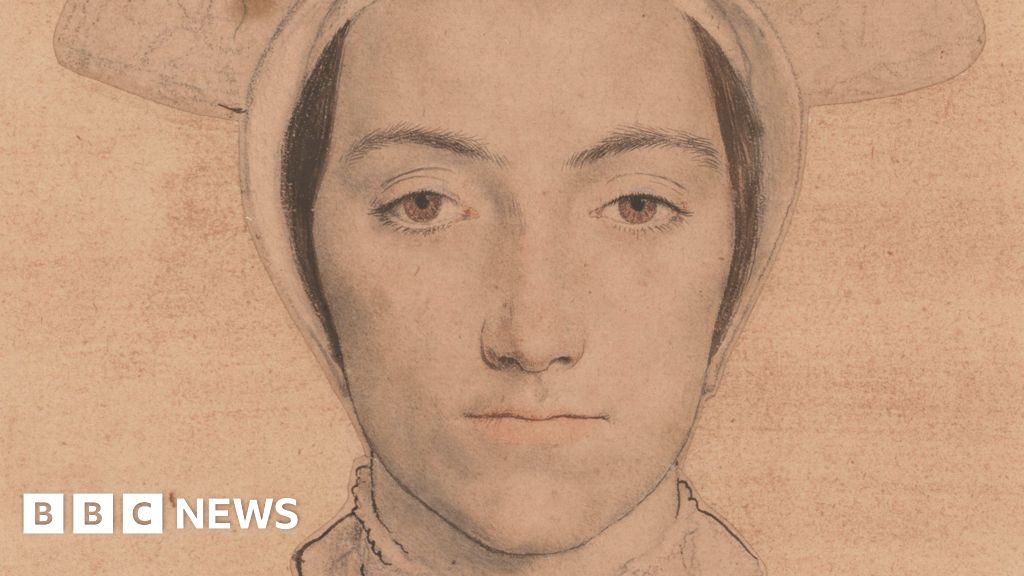
Is This the Real Face of Anne Boleyn? New Evidence
For nearly five centuries, the true appearance of Anne Boleyn has been one of Tudor history’s most enduring mysteries. Dozens of portraits claim to depict the ill-fated queen, but they contradict each other on everything from her hair color to a defining facial mark. Now, fresh analysis of long-held artifacts is challenging what we thought we knew about her likeness.
The Centuries-Long Debate Over Anne Boleyn’s Appearance
No confirmed contemporary portrait of Anne Boleyn exists today. The most famous image, held by the National Portrait Gallery in London, was painted decades after her 1536 execution, copied from earlier works that have since been lost.
Discrepancies between surviving portraits are stark. Some show a prominent mole on her neck, a detail referenced in contemporary diplomatic accounts. Others omit it entirely. Her hair color ranges from deep brown to a reddish auburn across different works, and only a handful feature the gold "B" initial necklace she was known to wear.
Contemporary written descriptions offer few firm clues. Venetian diplomat Francesco Chieregato wrote in 1532 that she was "not one of the handsomest women in the world, but she has a very sweet and pleasant manner." French poet Nicolas de Bourbon described her as having "dark eyes, a pointed chin, and a face full of wit."
New Evidence Shakes Up the Narrative
Hidden Details in the Hever Castle Portrait
Conservators at Hever Castle, Anne’s childhood home, recently conducted high-resolution scans of a 16th-century portrait long believed to depict her. Beneath layers of later paint restoration, they uncovered a faint underlying sketch matching contemporary written accounts: almond-shaped dark eyes, a slightly pointed chin, and a small, round mole on her left jawline.
This underlying sketch matches descriptions from Anne’s own circle, including a letter from her cousin Mary Boleyn that references a "small mark on her jaw" that Anne often tried to cover with powder.
3D Composite Modeling Fills the Gaps
A 2024 study by Tudor history researchers combined the Hever Castle sketch details, verified written accounts, and 3D facial modeling to create a new composite image of Anne. The rendering avoids the romanticized features of later portraits, instead highlighting the sharp, intelligent features described by people who knew her in life.
Unlike earlier depictions that lean into the "seductress" or "martyr" tropes pushed by later historians, this new composite presents a more neutral, historically grounded likeness.
What We Know For Sure About Anne Boleyn’s Looks
While no single image can be declared 100% accurate, verified contemporary sources agree on several key features:
- Dark, almond-shaped eyes (described as "black" by multiple court observers)
- A slightly pointed chin and high cheekbones
- A small, round mole on her neck or jawline
- Medium brown hair, typically worn tucked under a French hood
- A pale complexion, standard for Tudor nobility who avoided sun exposure
Is This the Definitive Face of Anne Boleyn?
Experts remain divided. Dr. Eleanor Parker, a Tudor historian at Oxford University, notes that "without a confirmed contemporary portrait, we can never be fully certain. But this new composite is the closest we’ve come to matching the written record, rather than later artistic license."
Critics argue that even the Hever Castle sketch was created years after Anne’s death, leaving room for error. Still, the new findings have prompted the National Portrait Gallery to review its own Anne Boleyn holdings, with plans to update display notes later this year.
Why Her Likeness Still Matters
Anne Boleyn’s appearance has long been used to shape public perception of her: later Protestant writers painted her as a pious, delicate martyr, while Catholic critics depicted her as a sharp-featured seductress. Getting her likeness right helps strip away centuries of bias to see the real woman behind the myth.
While we may never have a perfect match for her face, this new research brings us closer than ever to the Anne Boleyn who captured King Henry VIII’s heart and changed English history forever.
What do you think of the new composite image? Do you believe it’s the most accurate depiction yet? Share your thoughts in the comments below.

Comments are closed, but trackbacks and pingbacks are open.