

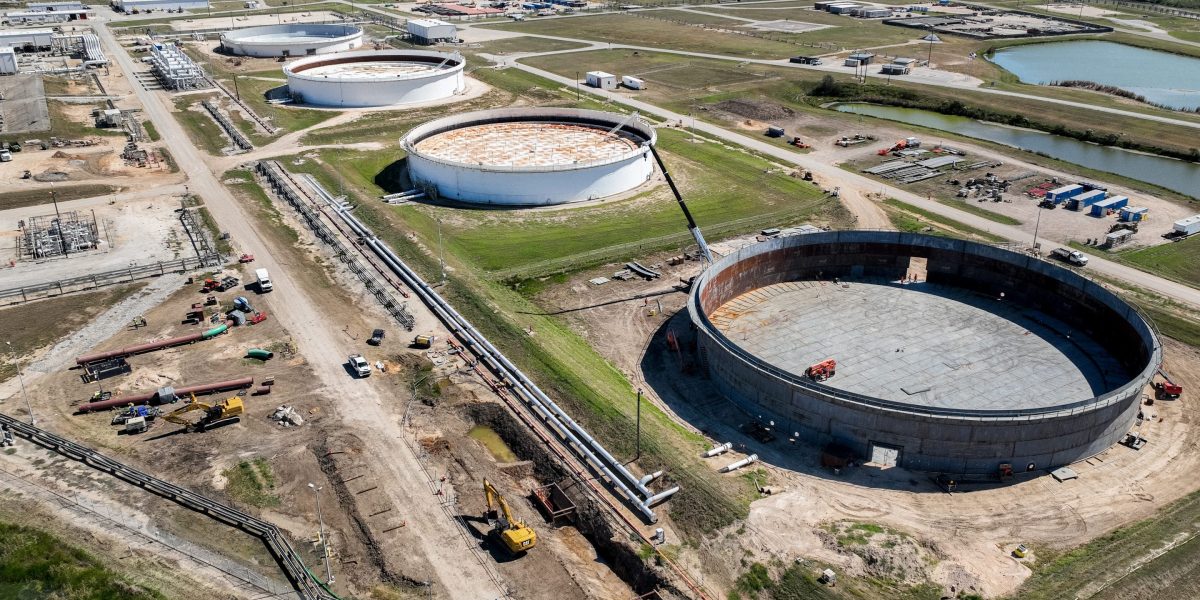
The global energy landscape is facing an unprecedented crisis as ongoing tensions and conflict involving Iran continue to drain the world’s oil buffer at an alarming rate. With Iran being one of the largest oil producers in the Middle East, any disruption to its supply chain sends shockwaves through global energy markets, affecting everything from gasoline prices at the pump to industrial manufacturing costs worldwide.
Iran’s Critical Role in Global Oil Supply
Iran holds the fourth-largest proven oil reserves in the world, with approximately 157 billion barrels sitting beneath its territory. The country has historically been a major player in OPEC, producing around 4 million barrels per day before sanctions took their toll. This massive supply capacity means that any conflict or military action involving Iran has immediate and far-reaching consequences for global oil markets.
The strategic importance of Iranian oil cannot be overstated. The Persian Gulf region, where Iran dominates, handles roughly 20% of the world’s oil consumption through daily shipments. When tensions rise, shipping companies and traders become extremely cautious, leading to increased insurance premiums and shipping costs that ultimately get passed on to consumers.
How Conflict Drains Strategic Reserves
When Iran-related conflicts escalate, countries worldwide begin tapping into their strategic petroleum reserves (SPR) to maintain supply stability. This creates a dangerous cycle where:
- Supply disruptions occur due to blocked shipping lanes or damaged infrastructure
- Countries release oil from strategic reserves to stabilize prices
- Global buffers diminish as reserves are drawn down faster than they can be replenished
- Market volatility increases as traders anticipate further supply shocks
The United States, China, India, and other major economies have all tapped their strategic reserves during Iran-related crises, depleting global oil buffers to levels not seen in decades.
Impact on Global Energy Markets
The current situation represents a perfect storm for energy markets. Beyond the immediate supply concerns, investors and traders are factoring in multiple risk premiums that drive prices even higher. These include:
Price Volatility and Market Uncertainty
Oil prices have become increasingly volatile as geopolitical tensions involving Iran continue to escalate. The uncertainty surrounding potential military action, sanctions expansion, or supply chain disruptions makes it extremely difficult for markets to stabilize. This volatility affects everything from airline fuel costs to shipping expenses, ultimately impacting consumer prices across the global economy.
Many energy analysts warn that if the conflict intensifies, we could see oil prices spike to levels not witnessed since the 1970s oil crisis. This would have devastating effects on global economic growth, particularly in developing nations that rely heavily on affordable energy for industrialization.
Refining Capacity and Product Shortages
It’s not just crude oil that’s affected. Iran’s refining capacity and its ability to export petroleum products have been severely impacted by sanctions and conflict. This has created shortages in certain refined products like gasoline and diesel in various markets, forcing countries to seek alternative suppliers at premium prices.
The Global Buffer Crisis
What makes the current situation particularly concerning is how quickly global oil buffers are being depleted. Strategic petroleum reserves worldwide have been drawn down significantly over the past several years due to various crises, and they haven’t been fully replenished. This leaves the global economy extremely vulnerable to further supply shocks.
The International Energy Agency (IEA) has expressed serious concerns about the state of global oil buffers. With commercial inventories already at multi-year lows and strategic reserves being depleted, the world has less cushion than ever to absorb disruptions from an Iran conflict or any other major supply interruption.
What This Means for Consumers
For everyday consumers, the Iran conflict’s impact on oil markets translates directly to higher costs at the pump. When oil prices rise, gasoline, diesel, and jet fuel prices follow shortly after. This creates a cascade effect throughout the economy, as transportation costs increase for goods and services, ultimately contributing to broader inflation.
Beyond fuel prices, individuals may also face:
- Higher electricity costs if natural gas prices rise in tandem
- Increased costs for air travel and shipping
- Rising prices for goods that depend on oil-based manufacturing or transportation
- Potential economic slowdown affecting job markets
Looking Ahead: Future Outlook
The situation remains highly uncertain, and experts are divided on how events will unfold. Some analysts believe diplomatic solutions may ease tensions and stabilize oil markets, while others warn that the situation could deteriorate further, leading to even greater disruptions.
For now, energy markets remain on edge, with any news about Iran potentially causing sharp price movements. Countries around the world are working to diversify their energy sources and reduce dependence on Middle Eastern oil, but these efforts will take years to fully materialize.
Conclusion
The Iran conflict represents one of the most significant threats to global energy security in recent memory. As the world’s oil buffer continues to be drained at an unprecedented pace, the vulnerability of global energy systems becomes increasingly apparent. The situation demands careful monitoring and strategic planning from governments and businesses alike to mitigate the potentially devastating effects of further supply disruptions.
For consumers, the message is clear: expect continued volatility in fuel prices and be prepared for potential economic impacts. The resolution of Iran-related tensions will be crucial in determining whether global oil markets can stabilize and begin rebuilding the strategic buffers that protect our economy from energy shocks.

Comments are closed, but trackbacks and pingbacks are open.